PCOD Diet Chart for Weight Loss — 7-Day Indian Meal Plan

This article is part of our guide on PCOS Treatment in Chennai — see the full treatment overview, success rates, and costs.
Are you looking for an effective PCOD diet chart for weight loss in Chennai? Managing Polycystic Ovary Syndrome (PCOS), also known as Polycystic Ovarian Disease (PCOD), often involves a multifaceted approach, with diet playing a pivotal role. A well-structured diet plan can aid in weight loss, regulate hormonal imbalances, and alleviate many PCOD symptoms. As a fertility specialist in Chennai, I understand the challenges women face when dealing with PCOD and the importance of a tailored dietary approach.
The Link Between Diet and Fertility
PCOS is a hormonal disorder that affects many women of reproductive age. It's characterised by irregular periods, excess androgen levels, and/or polycystic ovaries. Insulin resistance is a common underlying issue, affecting approximately 50-70% of women with PCOS. This means the body doesn't use insulin effectively, leading to elevated blood sugar levels, which can contribute to weight gain, particularly around the abdomen. This excess weight, in turn, can worsen insulin resistance, creating a vicious cycle. In my clinical experience, even a modest weight loss of 5-10% can significantly improve menstrual regularity and ovulation, increasing the chances of conception. Diet impacts fertility because it directly affects hormonal balance, insulin sensitivity, and inflammation – all key factors in PCOS.
Key Nutrients/Foods for Weight Loss with PCOS
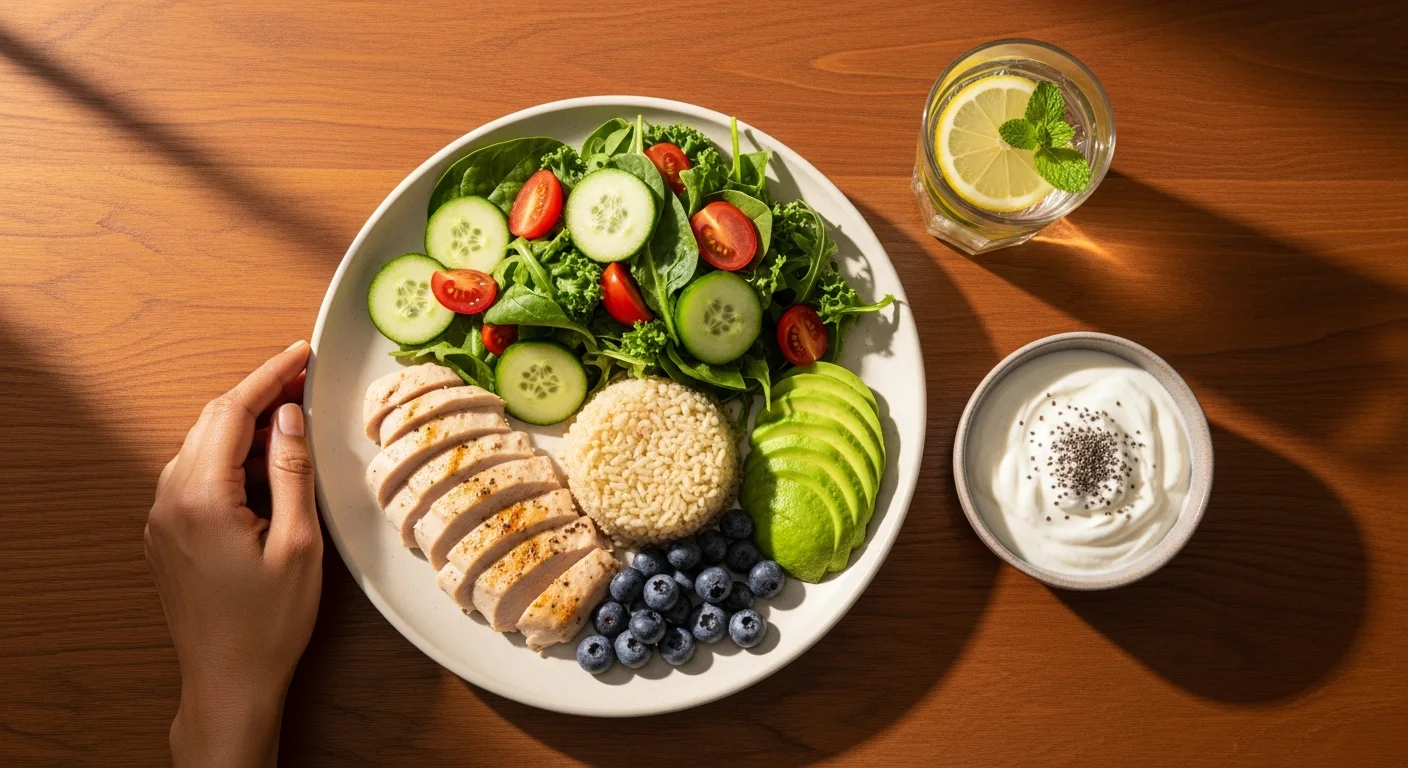
When designing a PCOD diet plan for weight loss, it's crucial to focus on nutrients and foods that promote satiety, regulate blood sugar levels, and combat inflammation. A study comparing time-restricted eating and calorie restriction in PCOS patients showed that both approaches, resulting in a ~10% reduction in energy intake, led to similar weight loss and improved insulin resistance. Here are some key components to include:
- Fiber: High-fiber foods help stabilize blood sugar levels, promote fullness, and aid in digestion. Aim for at least 25-35 grams of fiber per day. Good sources include:
- Whole grains (brown rice, quinoa, oats)
- Legumes (lentils, chickpeas, beans)
- Vegetables (broccoli, spinach, carrots)
- Fruits (berries, apples, pears)
- Lean Protein: Protein is essential for satiety, muscle building, and balancing blood sugar. Include a source of lean protein with every meal. Examples include:
- Fish (salmon, tuna, mackerel)
- Poultry (chicken, turkey)
- Tofu and tempeh
- Lentils and beans
- Eggs
- Healthy Fats: Healthy fats are important for hormone production, reducing inflammation, and supporting overall health. Choose unsaturated fats from sources like:
- Avocados
- Nuts and seeds (almonds, walnuts, chia seeds, flaxseeds)
- Olive oil
- Fatty fish (salmon, mackerel)
- Omega-3 Fatty Acids: These have anti-inflammatory effects and may improve insulin sensitivity. Include sources like:
- Fatty fish (salmon, mackerel, sardines)
- Flaxseeds and chia seeds
- Walnuts

Best Foods for PCOD Weight Loss (with Comparison Table)
Choosing the right foods is crucial for managing PCOD and achieving weight loss. Here's a comparison table highlighting some of the best food choices and their benefits:
| Food Group | Food Example | Benefits | Serving Size Suggestion | | Non-Starchy Vegetables | Broccoli | Low in calories, high in fiber, packed with vitamins and minerals. Helps with satiety and blood sugar control. | 1-2 cups per day | | Lean Protein | Chicken Breast | Provides protein without excess fat. | 3-4 ounces per serving | | Whole Grains | Quinoa | High in fiber and protein, provides sustained energy. | 1/2 cup cooked

Dr. Rukkayal Fathima
MBBS, MS (OBG), MRCOG (UK), FRM (Kiel University)
Fertility Specialist, Obstetrician, Gynecologist & Laparoscopic Surgeon
Dr. Rukkayal Fathima is one of India's leading Gynaecologists and the best fertility doctor in Chennai. She has 12+ years of experience and treated 3000+ patients. She specialises in IVF, ICSI, TESA/Micro TESE, IUI, Early Pregnancy Scan, Menopause advice, and Gynaecological surgeries. She is a Co-founder & Director of Yaal Fertility and Women's Centre, the Best Fertility Center in Chennai.
Have Questions About PCOS Treatment?
Every situation is unique. Dr. Rukkayal Fathima provides personalised, evidence-based guidance across multiple locations in Chennai.
Frequently Asked Questions
A balanced diet focusing on whole, unprocessed foods with a low glycemic index is ideal. Prioritize fiber-rich foods, lean protein, and healthy fats. The DASH diet has shown promise in improving insulin resistance, a key factor in PCOD. Consult a nutritionist for a personalized plan.
Losing even a small amount of weight (5-10% of your body weight) can significantly improve PCOD symptoms. Weight loss can help regulate menstrual cycles, improve fertility, reduce insulin resistance, and lower androgen levels. It also decreases the risk of associated health problems like diabetes and heart disease.
Limit or avoid processed foods, sugary drinks, refined carbohydrates (white bread, pasta), and excessive amounts of saturated and trans fats. These foods can worsen insulin resistance and contribute to weight gain. Also, moderate your intake of dairy and soy if you suspect they may be triggers.
Some studies suggest intermittent fasting can be beneficial for weight loss and improving insulin sensitivity in women with PCOD. However, it's crucial to approach intermittent fasting with caution and under medical supervision. It may not be suitable for everyone, especially those with a history of eating disorders or other health conditions.
Certain supplements, like Vitamin D, Omega-3 fatty acids, and Inositol, may be beneficial in managing PCOD symptoms and supporting weight loss. Vitamin D deficiency is common in PCOD, and Inositol may improve insulin sensitivity. However, supplements should be used as an adjunct to a healthy diet and lifestyle, not as a replacement.
Yes, diet plays a crucial role in managing PCOD symptoms. A well-planned diet can help regulate blood sugar levels, improve insulin sensitivity, reduce inflammation, and support weight loss. These improvements can lead to more regular menstrual cycles, improved fertility, and a reduced risk of long-term health complications.
Consult Dr. Rukkayal in Chennai
Available at 4 fertility clinic locations across Chennai. Walk-ins welcome; appointments preferred.
No. 747, Poonamallee High Road, Alagappa Nagar, Kilpauk, Chennai – 600 010
No. 149/1, Luz Church Road, Bhaskarapuram, Mylapore, Chennai – 600 004
No. 95, Plot No. 1, Velachery Main Road, Devi Karumariamman Nagar, Pallikaranai, Chennai – 600 100
Dr. Rukkayal is also a visiting consultant at Apollo Hospital, Motherhood Hospital, Cloud Nine Hospital, MGM Hospital, Metha Hospital and St. Isabel Hospital in Chennai. View all clinic locations