PCOS Hair Loss: Regrowth Tips
This article is part of our guide on PCOS Treatment in Chennai — see the full treatment overview, success rates, and costs.
Are you experiencing hair thinning or increased hair fall and suspect PCOS might be the reason? You're not alone. Hair loss is a common and distressing symptom of Polycystic Ovary Syndrome (PCOS), affecting many women in Chennai and beyond. Effective PCOS hair loss treatment focuses on addressing the underlying hormonal imbalances and providing targeted support for hair regrowth.
Understanding PCOS Hair Loss — What It Means
PCOS-related hair loss, also known as androgenic alopecia, manifests differently from typical hair shedding. Instead of uniform thinning, it often presents as a receding hairline or a widening part, resembling male-pattern baldness. This is due to the elevated levels of androgens, particularly dihydrotestosterone (DHT), in women with PCOS. DHT shrinks hair follicles, leading to the production of shorter, finer, and weaker hair strands. This process, called miniaturization, eventually causes the hair follicle to stop producing visible hair altogether.
In my clinical experience, patients often express frustration and distress over this symptom, as it significantly impacts their self-esteem. It’s important to remember that hair loss due to PCOS is manageable with the right approach. A meta-analysis evaluating the bi-directional association between PCOS and FPHL found high rates of PCOS in patients with FPHL and high rates of FPHL in patients with PCOS. The pooled prevalence of PCOS in patients with FPHL was 32.3%. The pooled prevalence of FPHL in patients with PCOS was 22.7%.
The Ludwig scale is commonly used to grade the severity of female pattern hair loss. It ranges from Grade I (mild thinning) to Grade III (significant hair loss with a bald spot at the crown). Understanding the extent of your hair loss can help guide treatment decisions.
Common Causes of Hair Fall Due to PCOS
The primary culprit behind PCOS hair loss is hormonal imbalance, specifically elevated androgens. However, several contributing factors can exacerbate the problem:
- Insulin Resistance: Many women with PCOS have insulin resistance, which means their bodies don't respond effectively to insulin. This leads to higher insulin levels, which, in turn, stimulate the ovaries to produce more androgens.
- Genetics: A family history of PCOS or androgenic alopecia increases your risk of experiencing hair loss.
- Inflammation: Chronic low-grade inflammation, often associated with PCOS, can disrupt hair follicle function.
- Nutritional Deficiencies: Deficiencies in iron, zinc, vitamin D, and other essential nutrients can contribute to hair thinning and shedding.
- Stress: High levels of stress can disrupt hormonal balance and worsen PCOS symptoms, including hair loss.
It's also important to consider other potential causes of hair loss, such as thyroid disorders, nutritional deficiencies unrelated to PCOS, and telogen effluvium (temporary hair shedding often triggered by stress or illness). A proper diagnosis is crucial for effective management.
When PCOS Hair Loss Is Normal vs a Warning Sign
While some degree of hair shedding is normal (we lose about 50-100 hairs per day), PCOS-related hair loss is typically more pronounced and follows a specific pattern. It’s a warning sign when you notice:
- Progressive Thinning: Hair gradually becomes thinner over time, especially at the crown of the head.
- Widening Part: The part line becomes noticeably wider.
- Increased Shedding: You lose more hair than usual when brushing, washing, or styling.
- Changes in Hair Texture: Hair becomes finer, weaker, and more brittle.
- Accompanying PCOS Symptoms: Hair loss is accompanied by other PCOS symptoms like irregular periods, acne, and hirsutism (excessive facial or body hair).
If you experience these signs, it’s important to consult a fertility specialist in Chennai like myself to get a proper diagnosis and discuss treatment options. Don't delay seeking help, as early intervention can improve your chances of successful hair regrowth.
What to Do If You Experience Hair Thinning with PCOS
If you're experiencing hair loss due to PCOS, here are some steps you can take:
- Consult a Doctor: The first step is to consult with a doctor or fertility specialist experienced in PCOS management. They can assess your hormone levels, rule out other potential causes of hair loss, and recommend appropriate treatments.
- Manage Insulin Resistance: If you have insulin resistance, focus on strategies to improve insulin sensitivity, such as diet and exercise.
- Reduce Stress: Practice stress-reducing techniques like yoga, meditation, or deep breathing exercises.
- Consider Supplements: Talk to your doctor about whether supplements like iron, zinc, vitamin D, biotin, or inositol are right for you.
- Be Patient: Hair regrowth takes time, so be patient and consistent with your treatment plan. Most treatments require 6–12 months before results are visible.
Remember, there's no one-size-fits-all solution. What works for one person may not work for another. A personalized approach is key to successful hair regrowth.
Medical Evaluation and Diagnosis of PCOS Hair Loss
A comprehensive medical evaluation is essential to accurately diagnose PCOS-related hair loss and rule out other potential causes. This typically involves:
- Medical History: Your doctor will ask about your menstrual cycle, family history, and other symptoms.
- Physical Examination: Your doctor will examine your scalp and hair to assess the pattern and severity of hair loss.
- Blood Tests: Blood tests are done to measure hormone levels (testosterone, DHT, DHEAS), insulin levels, thyroid function, and iron stores.
- Scalp Biopsy: In some cases, a scalp biopsy may be necessary to examine the hair follicles under a microscope.
The diagnosis of PCOS is typically based on the Rotterdam criteria, which requires the presence of at least two of the following three features: irregular periods, excess androgens (clinical or biochemical signs), and polycystic ovaries on ultrasound.
Treatment and Management of Hair Thinning Due to PCOS in Chennai
Effective PCOS hair loss treatment involves a multi-faceted approach that addresses the underlying hormonal imbalances and provides targeted support for hair regrowth. Treatment options include:
- Hormonal Therapy:
- Combined Oral Contraceptives (COCs): COCs lower ovarian androgen production and increase sex hormone-binding globulin (SHBG), which binds to testosterone and reduces its availability.
- Anti-Androgens: Spironolactone blocks the effects of testosterone at the hair follicle. Finasteride or Dutasteride blocks the enzyme that converts testosterone into its stronger form (DHT). ICMR recommends considering oral anti-androgens (Finasteride, Spironolactone, cyproterone acetate with oral contraceptives) for severe non-responsive cases of alopecia.
- Topical Minoxidil: The only FDA-approved topical for female pattern hair loss. Use 2% or 5% foam or solution.
- Nutritional Supplements:
- Iron: Correct iron deficiency with iron supplements. A ferritin level above 70 ng/mL is ideal for hair growth.
- Vitamin D: Supplement with vitamin D if you are deficient.
- Zinc: Zinc is essential for keratin production.
- Biotin: Biotin supports keratin structure.
- Inositol: Inositol improves insulin sensitivity, indirectly reducing androgen effects. Clinical studies typically recommend doses of 2-4 grams daily.
- Procedural Treatments:
- PRP (Platelet-Rich Plasma) Therapy: PRP involves injecting concentrated platelets into the scalp to stimulate hair follicle growth.
- Mesotherapy: Mesotherapy involves injecting a cocktail of vitamins, minerals, and amino acids into the scalp to nourish hair follicles.
Here's a comparison table of common hair loss types:
| Feature | PCOS Hair Loss (Androgenic Alopecia) | Thyroid Hair Loss (Hypothyroidism) | Nutritional Deficiency Hair Loss |
|---|---|---|---|
| Pattern | Widening part, receding hairline | Diffuse thinning all over scalp | Diffuse thinning, may be patchy |
| Cause | High androgens, insulin resistance | Low thyroid hormone levels | Lack of essential nutrients |
| Hair Texture | Finer, weaker | Dry, brittle | Dull, weak |
| Scalp Condition | Usually normal | May be dry or flaky | Usually normal |
| Associated Symptoms | Irregular periods, acne, hirsutism | Fatigue, weight gain, constipation | Fatigue, weakness, other symptoms |
| Treatment Focus | Hormone balance, anti-androgens | Thyroid hormone replacement | Nutrient supplementation |
Keep in mind that combination therapy often yields the best results. For example, birth control plus spironolactone, minoxidil, and nutritional supplementation.
A systematic review and meta-analysis of pharmacological and non-pharmacological interventions for PCOS in Indian women included studies evaluating insulin sensitizers, anti-androgens, oral contraceptive pills, ovulation induction drugs, myo-inositol, weight loss medication, lifestyle modification, dietary modification, physical activity, exercise, yoga, supplementation, probiotics, and herbal remedies.
Disclaimer: The treatment costs mentioned above are approximate ranges for Chennai in 2026. Your actual cost will depend on your specific diagnosis and treatment plan. A detailed estimate is provided after your initial consultation.

When to See a Fertility Specialist
If you're concerned about hair loss and suspect it may be related to PCOS, it's important to seek professional help. A fertility specialist can provide a comprehensive evaluation, accurate diagnosis, and personalized treatment plan. Early diagnosis and treatment are important. Hair loss is addressed as part of our PCOS treatment in Chennai. Don't hesitate to book a consultation with Dr. Rukkayal Fathima for personalised guidance. I practise across the seven Yaal Fertility centres in Chennai including Kilpauk, Mylapore and Thiruvanmiyur.
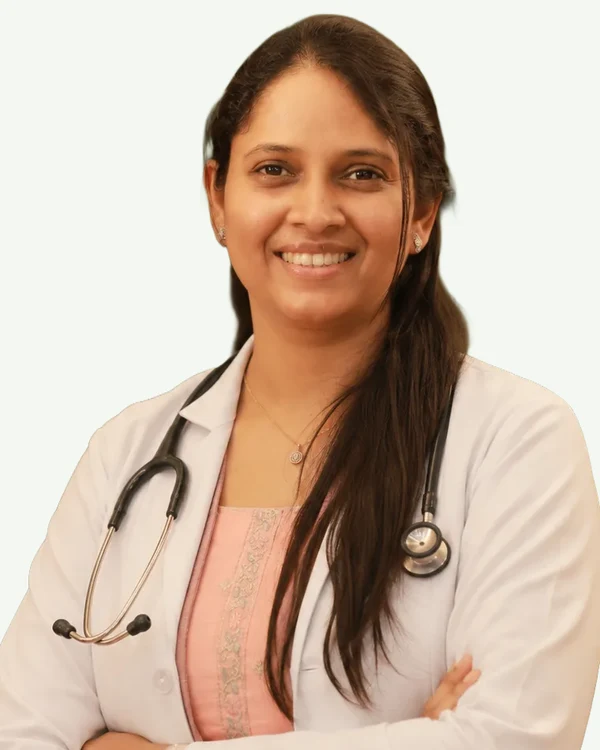
Dr. Rukkayal Fathima
MBBS, MS (OBG), MRCOG (UK), FRM (Kiel University)
Fertility Specialist, Obstetrician, Gynecologist & Laparoscopic Surgeon
Dr. Rukkayal Fathima is a fertility specialist, obstetrician and gynaecologist in Chennai. She has 15+ years of experience and treated 3000+ patients. She specialises in IVF, ICSI, TESA/Micro TESE, IUI, Early Pregnancy Scan, Menopause advice, and Gynaecological surgeries. She is the Founder & Director of Yaal Fertility and Women's Centre, which runs 7 fertility centres across Chennai.
Have Questions About PCOS Treatment?
Every situation is unique. Dr. Rukkayal Fathima provides personalised, evidence-based guidance across multiple locations in Chennai.
Frequently Asked Questions
PCOS causes elevated androgen levels, like DHT, which shrink hair follicles. This leads to shorter, thinner hair strands, especially on the scalp, mimicking male-pattern baldness. Insulin resistance, common in PCOS, can also exacerbate androgen production, worsening hair loss.
Yes, with proper treatment and management, PCOS hair loss can often be reversed or significantly improved. Treatments targeting hormone balance (like birth control pills and anti-androgens), topical solutions (like minoxidil), and nutritional support can stimulate hair regrowth.
Early signs often include gradual thinning of hair, a widening part line, or increased hair shedding. You might notice more hair coming out in the shower or on your brush. Unlike typical hair fall, PCOS-related hair loss usually follows a pattern similar to male-pattern baldness.
The cost varies based on your specific treatment plan. A consultation with Dr. Rukkayal is essential for accurate cost estimation. Combined oral contraceptives may cost ₹500-₹1000 per month, while minoxidil can range from ₹800-₹1500. Anti-androgens like spironolactone can add another ₹500-₹1200 monthly. PRP sessions range from ₹4000-₹8000 per session.
Several supplements may support hair regrowth in PCOS. Iron, if you're deficient, is crucial. Vitamin D, zinc, biotin, and omega-3 fatty acids can also improve hair health. Inositol can help regulate insulin and androgen levels. Always consult a doctor before starting any new supplement regimen.
If you notice sudden or significant hair thinning, changes in your menstrual cycle, acne, or excess facial hair, it's time to see a doctor. Early diagnosis and treatment of PCOS can help manage hair loss and other symptoms effectively. Dr. Rukkayal Fathima, a fertility specialist in Chennai, can provide personalized guidance.
Consult Dr. Rukkayal at Yaal Fertility, Chennai
Dr. Rukkayal is the Founder & Director of Yaal Fertility and Women's Centre and consults at all 7 Yaal centres. Walk-ins welcome; appointments preferred.
Full hospital · IVF lab & ICU
No. 747, Poonamallee High Road, Alagappa Nagar, Kilpauk, Chennai – 600 010
Theatre & recovery
First Floor, Kumar Towers, Bus Depot, Opp. Padianallur, PT Murthy Nagar, Padiyanallur, Red Hills, Chennai – 600 052
IVF lab & theatre
2nd Floor, Dr. Mehta's Global Campus, No. 50, Poonamallee High Road, Velappanchavadi, Thiruverkadu, Chennai – 600 077
Consultation & andrology lab
No. 149/1, Luz Church Road, Bhaskarapuram, Mylapore, Chennai – 600 004
IVF lab & theatre
Second Floor, No. 1, 3rd Street, Malaviya Avenue, Thiruvanmiyur, Chennai – 600 041
Consultation & andrology lab
No. 95, Plot No. 1, Velachery Main Road, Devi Karumariamman Nagar, Pallikaranai, Chennai – 600 100
Consultation & andrology lab
3/5, Kannan Nagar 3rd Main Road, Vigneshwar Nagar, Madipakkam, Chennai – 600 091
Book any centre on the Yaal line, +91 75500 06704. Compare all Yaal centres