Hormonal Acne: Causes & Treatment
This article is part of our guide on PCOS Treatment in Chennai — see the full treatment overview, success rates, and costs.
Hormonal acne in women, characterised by persistent breakouts often around the jawline, is primarily driven by fluctuations in androgen hormones that increase sebum production. Understanding the causes and available treatments is the first step towards clearer skin. As a fertility specialist practising in Chennai, I often see patients whose acne is linked to underlying hormonal imbalances, especially Polycystic Ovary Syndrome (PCOS).
Understanding Hormonal Acne — What It Means
Hormonal acne isn't just a teenage problem; it can affect women of all ages. It's distinct from regular acne because it's directly tied to hormonal fluctuations, particularly androgens like testosterone and DHEA-S. These hormones stimulate the sebaceous glands to produce more sebum (oil), which can clog pores and create an environment ripe for bacterial growth, leading to inflammation and breakouts. In my clinical experience, patients often describe cyclical flare-ups, coinciding with their menstrual cycle, pregnancy, or menopause. It’s important to differentiate hormonal acne from other types of acne because the treatment approaches can differ significantly. Identifying hormonal acne involves looking at the pattern of breakouts, the patient's age, and other associated symptoms. Acne that appears primarily on the lower face (jawline, chin) and is resistant to typical over-the-counter treatments often suggests a hormonal component.
Adult women, especially those in their 20s, 30s, and 40s, can experience hormonal acne due to various factors including menstruation, pregnancy, perimenopause, and conditions like PCOS. According to the American Academy of Dermatology, acne affects more than 50% of women in their 20s. Fluctuations in estrogen and progesterone levels during the menstrual cycle can influence sebum production, leading to breakouts around the time of menstruation. Pregnancy brings significant hormonal changes that can either improve or worsen acne. Perimenopause, the transition period before menopause, is also associated with hormonal shifts that can trigger acne.
Common Causes of Hormonal Acne
Several factors can contribute to hormonal acne in women. The most common culprits include:
- Menstrual Cycle: Fluctuations in estrogen and progesterone levels around menstruation can trigger increased sebum production and inflammation.
- PCOS (Polycystic Ovary Syndrome): This hormonal disorder is a frequent cause of hormonal acne. PCOS is characterized by elevated androgen levels, insulin resistance, and irregular periods.
- Pregnancy: Hormonal changes during pregnancy can either improve or worsen acne, depending on the individual.
- Menopause/Perimenopause: As estrogen levels decline during perimenopause and menopause, the relative increase in androgens can lead to breakouts.
- Stress: Cortisol, the stress hormone, can exacerbate acne by increasing inflammation and sebum production.
- Genetics: A family history of hormonal acne can increase your susceptibility.
- Medications: Certain medications, such as corticosteroids and some antidepressants, can also contribute to hormonal acne.
In my practice, I've observed that many women with hormonal acne also have underlying conditions like PCOS. It's crucial to identify and address these underlying factors for effective acne management. ESHRE/ASRM guidelines acknowledge acne as a clinical sign of hyperandrogenism.
When Hormonal Acne Is Normal vs a Warning Sign
While hormonal acne is a common occurrence, it's essential to differentiate between normal fluctuations and signs of a more significant underlying issue. Acne that flares up predictably around your period and resolves relatively quickly is usually considered normal. However, if you experience:
- Severe, persistent acne that doesn't respond to over-the-counter treatments
- Acne accompanied by other symptoms like irregular periods, excessive hair growth (hirsutism), or weight gain
- Sudden onset of acne in adulthood without a clear trigger
...these could be warning signs of an underlying hormonal imbalance, such as PCOS or an adrenal gland disorder. In such cases, it's crucial to seek medical evaluation to determine the root cause and receive appropriate treatment.
What to Do If You Experience Hormonal Acne
If you're struggling with hormonal acne, there are several steps you can take:
- Establish a Consistent Skincare Routine: Use gentle, non-comedogenic cleansers and moisturizers. Avoid harsh scrubs or excessive washing, which can irritate the skin and worsen acne.
- Use Topical Treatments: Over-the-counter products containing benzoyl peroxide, salicylic acid, or adapalene can help unclog pores and reduce inflammation.
- Consider Dietary Changes: Some studies suggest that a low-glycemic diet and reducing dairy intake may help improve acne.
- Manage Stress: Practice stress-reduction techniques like yoga, meditation, or deep breathing exercises.
- Avoid Picking or Squeezing Pimples: This can lead to inflammation, scarring, and further breakouts.
Medical Evaluation and Diagnosis
If your acne is severe, persistent, or accompanied by other symptoms, it's essential to seek medical evaluation. A doctor or dermatologist can perform a thorough examination and order blood tests to assess your hormone levels. Common tests include:
- Testosterone (Total and Free): To evaluate androgen levels.
- DHEA-S (Dehydroepiandrosterone Sulfate): To assess adrenal gland function.
- LH (Luteinizing Hormone) and FSH (Follicle-Stimulating Hormone): To evaluate ovarian function.
- Prolactin: To rule out prolactin-related hormonal imbalances.
- Insulin and Glucose: To assess insulin resistance, especially in PCOS.
Based on the test results, your doctor can determine the underlying cause of your hormonal acne and recommend appropriate treatment.
Treatment and Management
Treatment for hormonal acne typically involves a combination of topical and oral medications, as well as lifestyle modifications. The specific approach will depend on the severity of your acne and any underlying hormonal imbalances.
Topical Treatments:
- Retinoids: These vitamin A derivatives help unclog pores, reduce inflammation, and prevent new breakouts.
- Benzoyl Peroxide: This antibacterial agent kills Cutibacterium acnes bacteria and reduces inflammation.
- Salicylic Acid: This beta-hydroxy acid exfoliates the skin and unclogs pores.
- Clascoterone: A topical androgen receptor inhibitor that directly targets the effects of androgens on the skin. Clinical trials have shown that clascoterone can significantly reduce lesion counts with minimal systemic absorption.
Oral Medications:
- Combined Oral Contraceptive Pills (COCs): These pills contain estrogen and progestin, which help regulate hormone levels and reduce androgen production. COCs are often a first-line treatment for hormonal acne in women. NICE guidelines recommend COCs for acne management when contraception is also desired. A Cochrane review showed COCs significantly decrease inflammatory and non-inflammatory lesions.
- Spironolactone: This anti-androgen medication blocks the effects of androgens on the skin, reducing sebum production and inflammation. Spironolactone is effective for treating hormonal acne, especially in women with PCOS.
- Isotretinoin: This powerful medication is reserved for severe, treatment-resistant acne. Isotretinoin reduces sebum production, inflammation, and bacterial growth. It is highly effective but can have significant side effects, including birth defects, so it requires careful monitoring. Studies show an average lesion reduction of approximately 58% with cumulative doses of 120 mg/kg or more.
- Antibiotics: Oral antibiotics, such as doxycycline or minocycline, can help reduce inflammation and bacterial growth. However, they are typically used as a short-term solution due to the risk of antibiotic resistance. A French study found spironolactone more successful than doxycycline over time.
Other Treatments:
- Chemical Peels: These treatments use chemical solutions to exfoliate the skin and unclog pores.
- Laser and Light Therapy: These treatments can reduce inflammation and kill acne-causing bacteria.
- Metformin: For women with PCOS, metformin can help improve insulin sensitivity and reduce androgen levels, which can improve acne. A meta-analysis found metformin significantly reduced acne severity in PCOS patients.
Here's a comparison of hormonal acne versus regular acne:
| Feature | Hormonal Acne | Regular Acne |
|---|---|---|
| Causes | Hormonal fluctuations (androgens, etc.) | Bacteria, clogged pores, inflammation |
| Location | Jawline, chin, lower face | Forehead, nose, cheeks |
| Timing | Flares with menstrual cycle, pregnancy | Not typically related to hormonal cycles |
| Age | Adult women, especially with PCOS | Teenagers, young adults |
| Appearance | Deep, cystic lesions, inflamed papules | Blackheads, whiteheads, pustules, papules |
| Response to OTC | Often resistant to over-the-counter treatments | May respond to OTC treatments |
| Hormone Levels | May have elevated androgen levels | Hormone levels typically within normal range |
Lifestyle Changes and Prevention
In addition to medical treatments, lifestyle changes can play a significant role in managing hormonal acne:
- Diet: A balanced diet rich in fruits, vegetables, and whole grains can help regulate hormone levels and reduce inflammation. Limit processed foods, sugary drinks, and dairy products, which can worsen acne.
- Stress Management: Practice stress-reduction techniques like yoga, meditation, or deep breathing exercises.
- Sleep: Aim for 7-8 hours of sleep per night to help regulate hormone levels and reduce stress.
- Exercise: Regular exercise can help improve insulin sensitivity and reduce androgen levels.
- Skincare Routine: Use gentle, non-comedogenic cleansers and moisturizers. Avoid harsh scrubs or excessive washing, which can irritate the skin and worsen acne.
When to Seek Professional Help
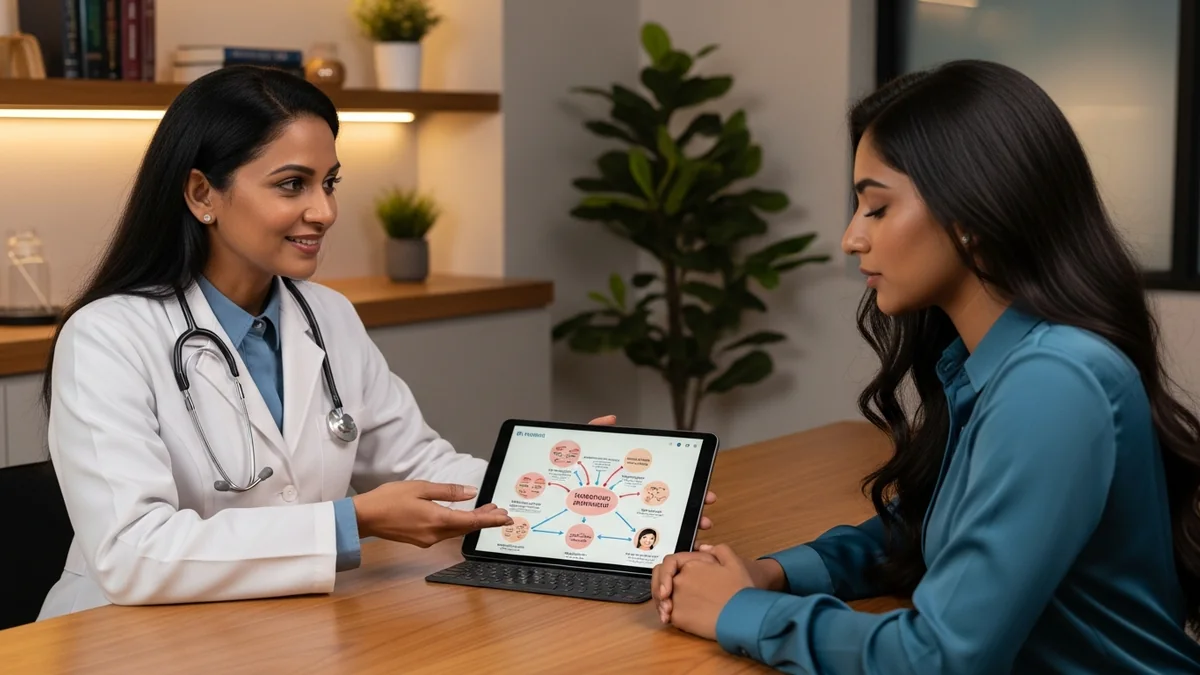
If you're struggling with hormonal acne that doesn't respond to over-the-counter treatments or lifestyle changes, it's essential to seek professional help. A fertility specialist or dermatologist can evaluate your condition, identify any underlying hormonal imbalances, and recommend appropriate treatment through our PCOS treatment in Chennai. For personalised guidance, book a consultation with Dr. Rukkayal Fathima.
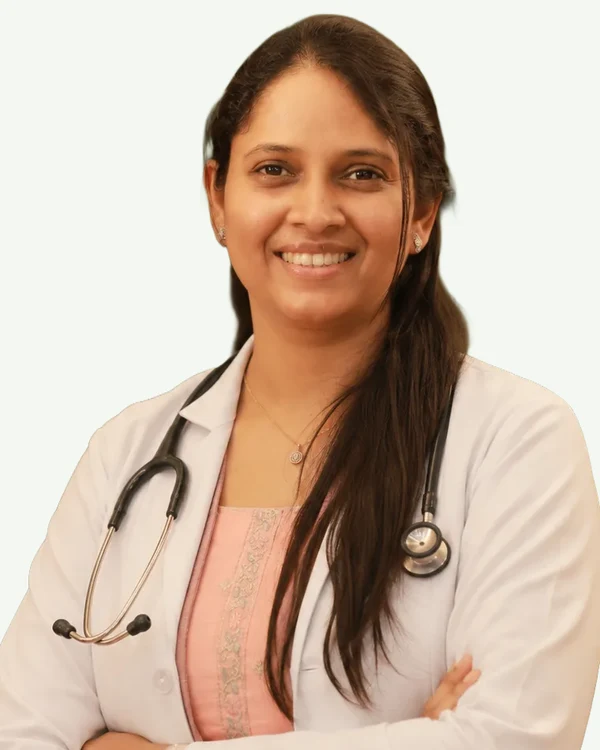
Dr. Rukkayal Fathima
MBBS, MS (OBG), MRCOG (UK), FRM (Kiel University)
Fertility Specialist, Obstetrician, Gynecologist & Laparoscopic Surgeon
Dr. Rukkayal Fathima is a fertility specialist, obstetrician and gynaecologist in Chennai. She has 15+ years of experience and treated 3000+ patients. She specialises in IVF, ICSI, TESA/Micro TESE, IUI, Early Pregnancy Scan, Menopause advice, and Gynaecological surgeries. She is the Founder & Director of Yaal Fertility and Women's Centre, which runs 7 fertility centres across Chennai.
Have Questions About PCOS Treatment?
Every situation is unique. Dr. Rukkayal Fathima provides personalised, evidence-based guidance across multiple locations in Chennai.
Frequently Asked Questions
Hormonal acne refers to acne breakouts that are directly linked to fluctuations in hormone levels, particularly androgens. These fluctuations can increase sebum production, clog pores, and trigger inflammation, leading to pimples, blackheads, and cysts. It's more common during puberty, menstruation, pregnancy, and menopause, as well as in conditions like PCOS.
Hormonal acne often appears around the jawline, chin, and lower face. It tends to flare up during specific times of the month, like around your period. You might also notice other hormonal symptoms, such as irregular periods, increased facial hair, or weight gain. Consulting a dermatologist or gynaecologist can help confirm the diagnosis.
Treatment options range from topical medications like retinoids and benzoyl peroxide to oral medications like combined oral contraceptive pills, spironolactone, and, in severe cases, isotretinoin. The best approach depends on the severity of your acne and any underlying hormonal imbalances. A consultation with a specialist is essential.
Yes, PCOS (Polycystic Ovary Syndrome) is a common cause of hormonal acne in women. PCOS often leads to elevated androgen levels, which can increase sebum production and trigger acne breakouts. If you have PCOS, managing your hormone levels through medication and lifestyle changes can help improve your skin.
While it may not be possible to completely prevent hormonal acne, you can manage it with a consistent skincare routine, a healthy diet, and stress management techniques. Identifying and addressing underlying hormonal imbalances, especially in conditions like PCOS, can also significantly reduce breakouts. Regular check-ups with your doctor are advisable.
The cost of hormonal acne treatment in Chennai varies depending on the chosen approach. Topical medications can range from ₹500 to ₹2000 per month, while oral medications like spironolactone or birth control pills might cost between ₹300 to ₹1500 per month. Isotretinoin treatment is more expensive, requiring monitoring. A detailed estimate is provided after your initial consultation.
Consult Dr. Rukkayal at Yaal Fertility, Chennai
Dr. Rukkayal is the Founder & Director of Yaal Fertility and Women's Centre and consults at all 7 Yaal centres. Walk-ins welcome; appointments preferred.
Full hospital · IVF lab & ICU
No. 747, Poonamallee High Road, Alagappa Nagar, Kilpauk, Chennai – 600 010
Theatre & recovery
First Floor, Kumar Towers, Bus Depot, Opp. Padianallur, PT Murthy Nagar, Padiyanallur, Red Hills, Chennai – 600 052
IVF lab & theatre
2nd Floor, Dr. Mehta's Global Campus, No. 50, Poonamallee High Road, Velappanchavadi, Thiruverkadu, Chennai – 600 077
Consultation & andrology lab
No. 149/1, Luz Church Road, Bhaskarapuram, Mylapore, Chennai – 600 004
IVF lab & theatre
Second Floor, No. 1, 3rd Street, Malaviya Avenue, Thiruvanmiyur, Chennai – 600 041
Consultation & andrology lab
No. 95, Plot No. 1, Velachery Main Road, Devi Karumariamman Nagar, Pallikaranai, Chennai – 600 100
Consultation & andrology lab
3/5, Kannan Nagar 3rd Main Road, Vigneshwar Nagar, Madipakkam, Chennai – 600 091
Book any centre on the Yaal line, +91 75500 06704. Compare all Yaal centres