Facial Hair in Women: Causes & Treatment
This article is part of our guide on PCOS Treatment in Chennai — see the full treatment overview, success rates, and costs.
Excess facial hair in women, also known as hirsutism, is a common and often distressing condition. Effective treatment options are available in Chennai to manage this condition, addressing both the underlying causes and the visible symptoms. This blog post, by Dr. Rukkayal Fathima, will explore the causes, diagnosis, and management of excess facial hair in women, providing comprehensive information for those seeking solutions.
Understanding Excess Facial Hair — What It Means
Excess facial hair in women refers to the presence of dark, coarse hair in areas where hair growth is typically minimal or absent in females. This includes the face (upper lip, chin, and sideburns), chest, back, and abdomen. It's important to differentiate hirsutism from simple hypertrichosis, which is an overall increase in hair growth all over the body, without the male-pattern distribution. Hirsutism is often a symptom of an underlying hormonal imbalance, particularly an excess of androgens (male hormones) like testosterone. While some degree of fine, light hair is normal, hirsutism is characterized by thick, dark hair that can be quite noticeable and emotionally distressing. In my clinical experience, many women feel self-conscious and anxious about this condition, significantly impacting their quality of life. Addressing this concern requires a thorough evaluation and a tailored treatment approach.
Common Causes of Excess Facial Hair
Several factors can contribute to the development of excess facial hair in women. Identifying the underlying cause is crucial for effective management.
- Polycystic Ovary Syndrome (PCOS): This is one of the most common causes of hirsutism. PCOS is a hormonal disorder characterized by irregular periods, ovarian cysts, and elevated androgen levels. It affects approximately 6-12% of reproductive-age women in India.
- Adrenal Gland Disorders: Conditions like congenital adrenal hyperplasia (CAH) or adrenal tumors can lead to increased androgen production.
- Idiopathic Hirsutism: In some cases, no specific underlying cause can be identified. This is known as idiopathic hirsutism, and it may be due to increased sensitivity of hair follicles to normal androgen levels.
- Medications: Certain medications, such as anabolic steroids, danazol, and some medications used to treat endometriosis, can cause hirsutism as a side effect.
- Tumors: Rarely, tumors in the ovaries or adrenal glands can produce androgens, leading to hirsutism.
- Cushing's Syndrome: This condition, caused by prolonged exposure to high levels of cortisol, can also result in increased hair growth.
It is also important to consider ethnicity. Women of Mediterranean, Middle Eastern, and South Asian descent may naturally have more facial and body hair. A thorough medical history and physical examination, along with appropriate hormonal testing, are essential to determine the cause of excess facial hair. As a fertility specialist practising across the seven Yaal Fertility centres in Chennai, I often see patients who are unaware of the underlying hormonal imbalances causing their hirsutism.
When Excess Facial Hair Is Normal vs a Warning Sign
While some amount of facial hair is normal in women, it's important to distinguish between normal hair growth and hirsutism. Fine, light hair (vellus hair) on the face is generally considered normal. However, when this hair becomes thick, dark, and coarse (terminal hair) in a male-like pattern, it is considered hirsutism and may indicate an underlying medical condition.
Here's a table summarizing the differences:
| Feature | Normal Facial Hair | Hirsutism |
|---|---|---|
| Type of Hair | Fine, light (vellus hair) | Thick, dark, coarse (terminal hair) |
| Location | Minimal; may be present on the upper lip or cheeks | Upper lip, chin, sideburns, chest, back, abdomen |
| Amount | Sparse | Excessive |
| Underlying Cause | Genetic predisposition, ethnicity | Hormonal imbalance (PCOS, adrenal disorders), medications, tumors |
| Ferriman-Gallwey Score | Below 8 | 8 or higher |
It is a warning sign when the hair growth is sudden, rapid, and accompanied by other symptoms like irregular periods, acne, deepening of the voice, or increased muscle mass. In these cases, it's crucial to seek medical evaluation to rule out any serious underlying conditions. For instance, if a patient in Chennai experiences a sudden onset of hirsutism along with menstrual irregularities, I would immediately consider PCOS or other hormonal imbalances.
What to Do If You Experience Excess Facial Hair
If you are experiencing excess facial hair, the first step is to consult a healthcare professional for evaluation. Here's what you can do:
- Consult a Doctor: Schedule an appointment with a gynaecologist, endocrinologist, or a fertility specialist like myself. A thorough medical history, physical exam, and hormonal testing will help determine the cause of your hirsutism.
- Document Your Symptoms: Keep a record of your menstrual cycle, hair growth patterns, and any other symptoms you're experiencing. This information will be valuable for your doctor.
- Avoid Self-Treating: Avoid using over-the-counter remedies or cosmetic procedures without consulting a doctor. These may not address the underlying cause and could potentially worsen the condition.
- Consider Cosmetic Options: While addressing the underlying cause is important, cosmetic options like waxing, threading, shaving, or laser hair removal can provide temporary relief and improve your self-esteem.
- Manage Stress: High stress levels can exacerbate hormonal imbalances. Practice stress-reducing techniques like yoga, meditation, or deep breathing exercises.
Medical Evaluation and Diagnosis
The diagnostic process for excess facial hair involves several steps:
- Medical History and Physical Examination: Your doctor will ask about your medical history, menstrual cycle, family history of hirsutism or PCOS, and any medications you're taking. A physical examination will assess the extent and pattern of hair growth.
- Ferriman-Gallwey Score: This standardized scoring system is used to assess the degree of hirsutism. It evaluates hair growth on nine different body areas, assigning a score from 0 (no hair) to 4 (extensive hair growth) for each area. A total score of 8 or higher typically indicates hirsutism.
- Hormonal Blood Tests: Blood tests are essential to measure hormone levels, including:
- Total and Free Testosterone: Elevated levels can indicate PCOS, adrenal tumors, or other androgen-producing conditions.
- Dehydroepiandrosterone Sulfate (DHEAS): High levels may suggest an adrenal gland disorder.
- Androstenedione: Another androgen that can be elevated in PCOS or adrenal disorders.
- 17-Hydroxyprogesterone (17-OHP): This test is used to screen for congenital adrenal hyperplasia (CAH).
- Prolactin: Elevated prolactin levels can sometimes contribute to hirsutism.
- Follicle-Stimulating Hormone (FSH) and Luteinizing Hormone (LH): These hormones are important for evaluating ovarian function and diagnosing PCOS.
- Imaging Studies: In some cases, imaging studies like ultrasound or CT scans may be necessary to evaluate the ovaries or adrenal glands for tumors or other abnormalities.
Treatment and Management
The treatment for excess facial hair depends on the underlying cause and the severity of the condition. Treatment options include:
- Oral Contraceptives (OCPs): These are often the first-line treatment for hirsutism, especially in women with PCOS who are not trying to conceive. OCPs regulate the menstrual cycle and reduce androgen production. Standardized mean reductions compared to placebo were -0.94 (95% confidence intervals: -1.49 to -0.38)
- Anti-Androgen Medications: These medications block the effects of androgens on hair follicles. Common anti-androgens include:
- Spironolactone: This medication is effective in reducing hair growth and acne. It is important to use contraception while taking spironolactone, as it can cause birth defects.
- Cyproterone Acetate: This is another anti-androgen that is often used in combination with an estrogen-containing OCP.
- Flutamide: This is a potent anti-androgen that is effective in treating hirsutism, but it can have potential side effects on the liver, so regular monitoring is necessary.
- Antiandrogen monotherapy is not recommended unless adequate contraception is used due to teratogenic potential.
- Topical Eflornithine (Vaniqa): This cream slows down hair growth by inhibiting an enzyme involved in hair follicle development. It is applied directly to the affected areas of the face. Eflornithine hydrochloride 13.9% cream is effective in reducing facial hair growth in 58% of women, with 32% considered a "clinical success" after twice-daily application for up to 24 weeks.
- Cosmetic Hair Removal: These methods provide temporary or long-term hair removal. Options include:
- Waxing: Removes hair from the root, providing longer-lasting results than shaving.
- Threading: A gentle method of hair removal that is suitable for sensitive skin.
- Shaving: A quick and easy method, but hair grows back quickly.
- Electrolysis: A permanent hair removal method that destroys hair follicles using an electric current.
- Laser Hair Removal: This method uses laser light to destroy hair follicles. It is most effective for dark hair on light skin. Laser hair removal can reduce hair density by up to 70% in treated areas, with remaining hairs becoming thinner within 3-6 months.
- Lifestyle Modifications:
- Weight Loss: If you are overweight or obese, losing weight can help improve insulin sensitivity and reduce androgen levels.
- Diet: A balanced diet with plenty of fruits, vegetables, and whole grains can help regulate hormone levels.
- Exercise: Regular exercise can improve insulin sensitivity and promote weight loss.
For women with PCOS, managing insulin resistance is crucial. Medications like metformin can help improve insulin sensitivity and reduce androgen levels. As Dr. Rukkayal Fathima, I emphasize a holistic approach, combining medical treatments with lifestyle modifications to achieve the best possible outcomes for my patients in Chennai. I often advise patients with PCOS to explore our dedicated PCOS treatment page for more information on comprehensive management strategies: PCOS Treatment.

When to See a Fertility Specialist
While excess facial hair can be managed by a general physician or endocrinologist, seeing a fertility specialist is recommended if:
- You are also experiencing irregular periods or difficulty conceiving.
- You have been diagnosed with PCOS and are seeking fertility treatment.
- Your hirsutism is severe and not responding to conventional treatments.
- You suspect an underlying hormonal imbalance that may be affecting your fertility.
- You are planning to start a family and want to optimize your hormonal health.
For personalised guidance, book a consultation with Dr. Rukkayal Fathima.
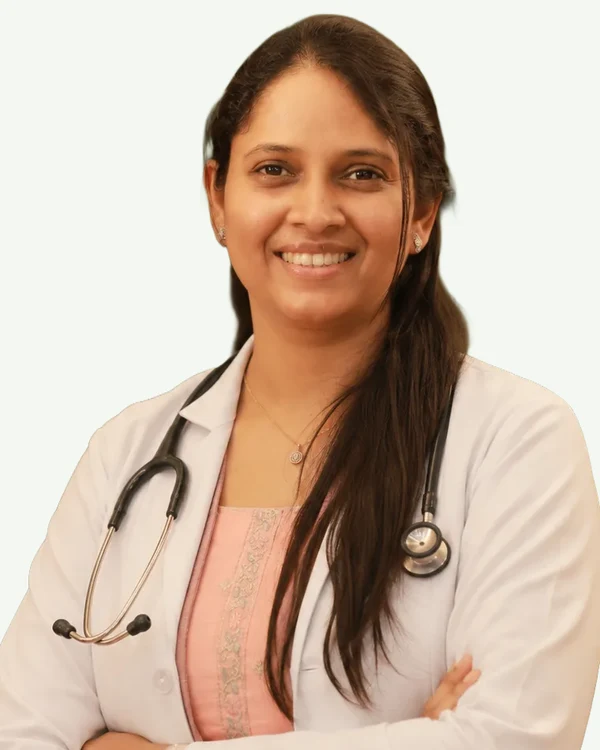
Dr. Rukkayal Fathima
MBBS, MS (OBG), MRCOG (UK), FRM (Kiel University)
Fertility Specialist, Obstetrician, Gynecologist & Laparoscopic Surgeon
Dr. Rukkayal Fathima is a fertility specialist, obstetrician and gynaecologist in Chennai. She has 15+ years of experience and treated 3000+ patients. She specialises in IVF, ICSI, TESA/Micro TESE, IUI, Early Pregnancy Scan, Menopause advice, and Gynaecological surgeries. She is the Founder & Director of Yaal Fertility and Women's Centre, which runs 7 fertility centres across Chennai.
Have Questions About PCOS Treatment?
Every situation is unique. Dr. Rukkayal Fathima provides personalised, evidence-based guidance across multiple locations in Chennai.
Frequently Asked Questions
Hirsutism is the excessive growth of dark or coarse hair in women in a male-like pattern, such as on the face, chest, and back. It's different from normal hair growth, which is typically finer and less dense. Hirsutism is often a sign of underlying hormonal imbalances.
Hirsutism is diagnosed through a physical exam, evaluation of your medical history, and assessment of hair growth using the Ferriman-Gallwey score. Blood tests to measure hormone levels, such as testosterone and DHEAS, may also be performed to identify the underlying cause.
Common medical treatments include oral contraceptives to regulate hormones, anti-androgen medications like spironolactone to block androgen effects, and topical creams like eflornithine to slow hair growth. The choice of treatment depends on the severity of hirsutism and the underlying cause.
Yes, lifestyle changes like weight loss (if overweight) and a balanced diet can help manage hirsutism, especially if it's related to PCOS. Losing weight can improve insulin sensitivity and reduce androgen levels, potentially decreasing hair growth.
Laser hair removal can significantly reduce hair density in treated areas, often by up to 70%, and make remaining hairs thinner. It's most effective for dark hair on light skin. Maintenance treatments are usually needed every 6-12 months to maintain results.
The Ferriman-Gallwey score is a standardized tool used to assess the degree of hirsutism. It evaluates hair growth on nine different body areas, assigning a score from 0 (no hair) to 4 (extensive hair growth) for each area. A total score of 8 or higher typically indicates hirsutism.
Some studies suggest that spearmint tea may help lower testosterone levels. Certain supplements like zinc and magnesium may also have anti-androgenic effects. However, it's crucial to discuss any natural remedies with a healthcare provider before trying them, as they may interact with medications or have side effects.
Consult Dr. Rukkayal at Yaal Fertility, Chennai
Dr. Rukkayal is the Founder & Director of Yaal Fertility and Women's Centre and consults at all 7 Yaal centres. Walk-ins welcome; appointments preferred.
Full hospital · IVF lab & ICU
No. 747, Poonamallee High Road, Alagappa Nagar, Kilpauk, Chennai – 600 010
Theatre & recovery
First Floor, Kumar Towers, Bus Depot, Opp. Padianallur, PT Murthy Nagar, Padiyanallur, Red Hills, Chennai – 600 052
IVF lab & theatre
2nd Floor, Dr. Mehta's Global Campus, No. 50, Poonamallee High Road, Velappanchavadi, Thiruverkadu, Chennai – 600 077
Consultation & andrology lab
No. 149/1, Luz Church Road, Bhaskarapuram, Mylapore, Chennai – 600 004
IVF lab & theatre
Second Floor, No. 1, 3rd Street, Malaviya Avenue, Thiruvanmiyur, Chennai – 600 041
Consultation & andrology lab
No. 95, Plot No. 1, Velachery Main Road, Devi Karumariamman Nagar, Pallikaranai, Chennai – 600 100
Consultation & andrology lab
3/5, Kannan Nagar 3rd Main Road, Vigneshwar Nagar, Madipakkam, Chennai – 600 091
Book any centre on the Yaal line, +91 75500 06704. Compare all Yaal centres