Laparoscopy in Chennai
Fertility-focused laparoscopic surgery in Chennai by Dr. Rukkayal — keyhole treatment of endometriosis, ovarian cysts, fibroids, and tubal disease with faster recovery and better pregnancy outcomes.
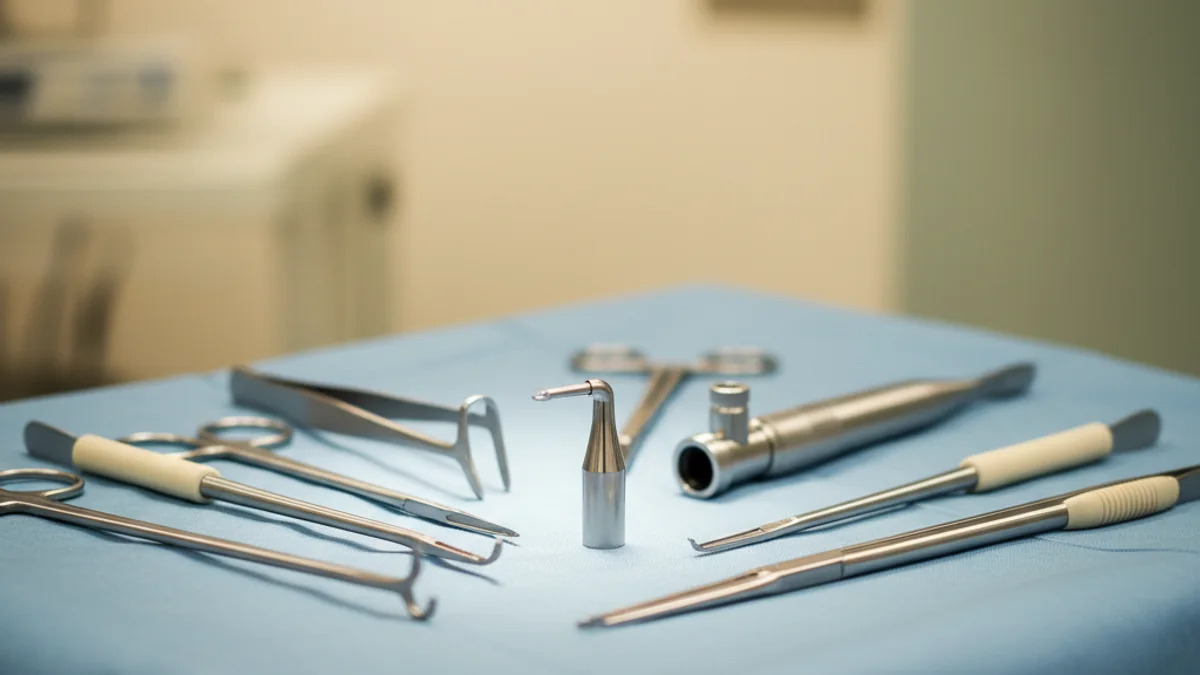
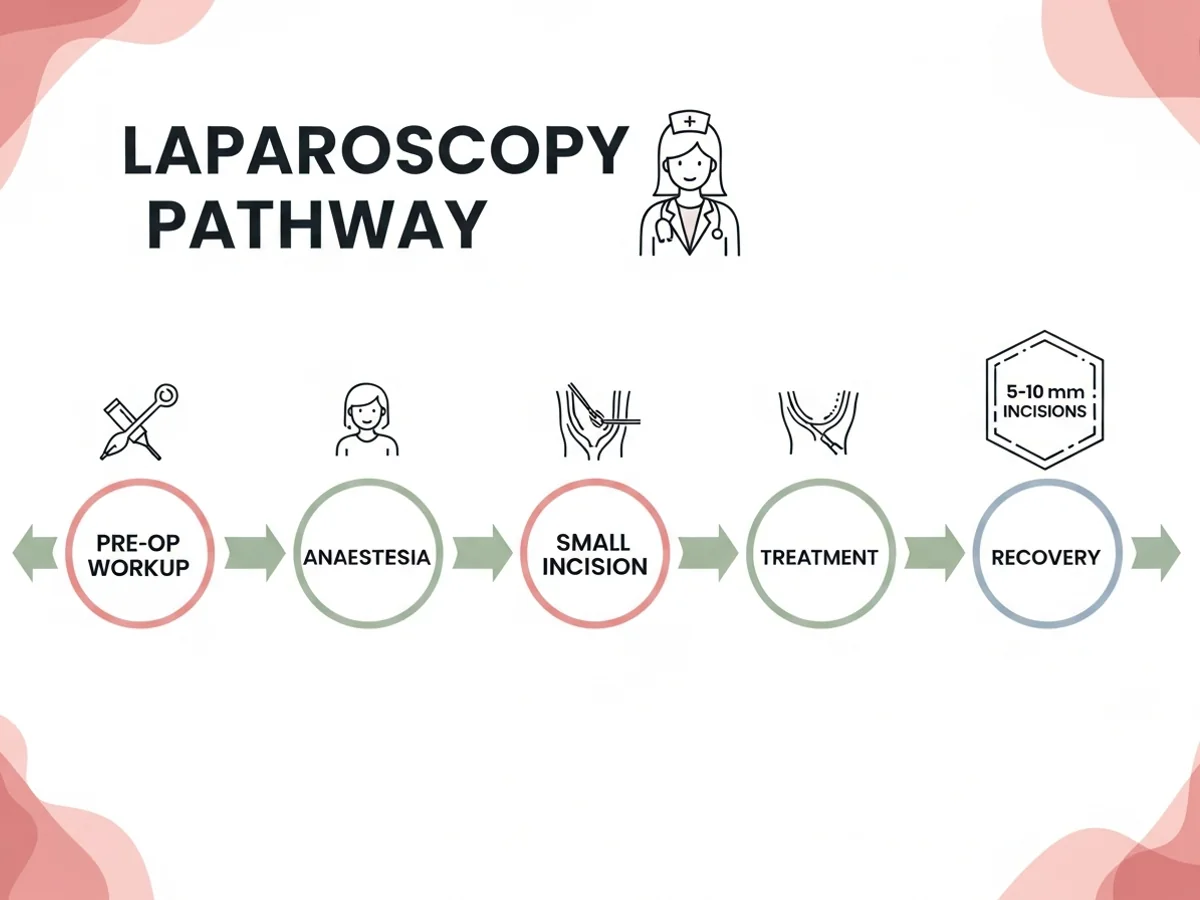
Laparoscopy is a minimally invasive surgical approach where a small camera and fine instruments are inserted through 5–10 mm keyhole incisions to evaluate and treat conditions of the uterus, ovaries, fallopian tubes, and pelvic peritoneum. For women with infertility, laparoscopy frequently reveals and corrects problems — endometriosis, adhesions, hidden ovarian disease, or distorted tubal anatomy — that ultrasound and MRI alone cannot fully characterise. Dr. Rukkayal performs laparoscopic surgery with a clear fertility-first goal: every surgical decision is made with future pregnancy in mind, preserving healthy ovarian tissue and protecting the reproductive tract.
Compared with open abdominal surgery, laparoscopy offers significantly less post-operative pain, smaller scars, shorter hospital stays (often same-day or next-day discharge), faster return to work, and — most importantly for fertility patients — reduced post-surgical adhesion formation. For couples planning IVF after surgery, laparoscopic management of endometriosis or hydrosalpinx (fluid-filled blocked tubes) can improve implantation and live-birth rates. Dr. Rukkayal’s training combines MRCOG (UK) advanced gynaecological surgery skills with FRM (Germany) reproductive medicine expertise, which means every intra-operative finding is interpreted in the context of your fertility plan — not in isolation.
1000+
Laparoscopic Procedures
>85%
Same-Day Discharge
When Is Laparoscopy Recommended?
You should see a specialist if you experience:
- Severe pelvic pain or painful periods unresponsive to medication
- Suspected endometriosis based on symptoms or imaging
- Ovarian cyst that has not resolved on repeat scans
- Blocked or fluid-filled fallopian tubes seen on HSG or scan
- Recurrent IVF failure with suspected pelvic factor
- Suspected ectopic pregnancy
- Unexplained infertility despite normal initial workup
Understanding Fertility-Focused Laparoscopy
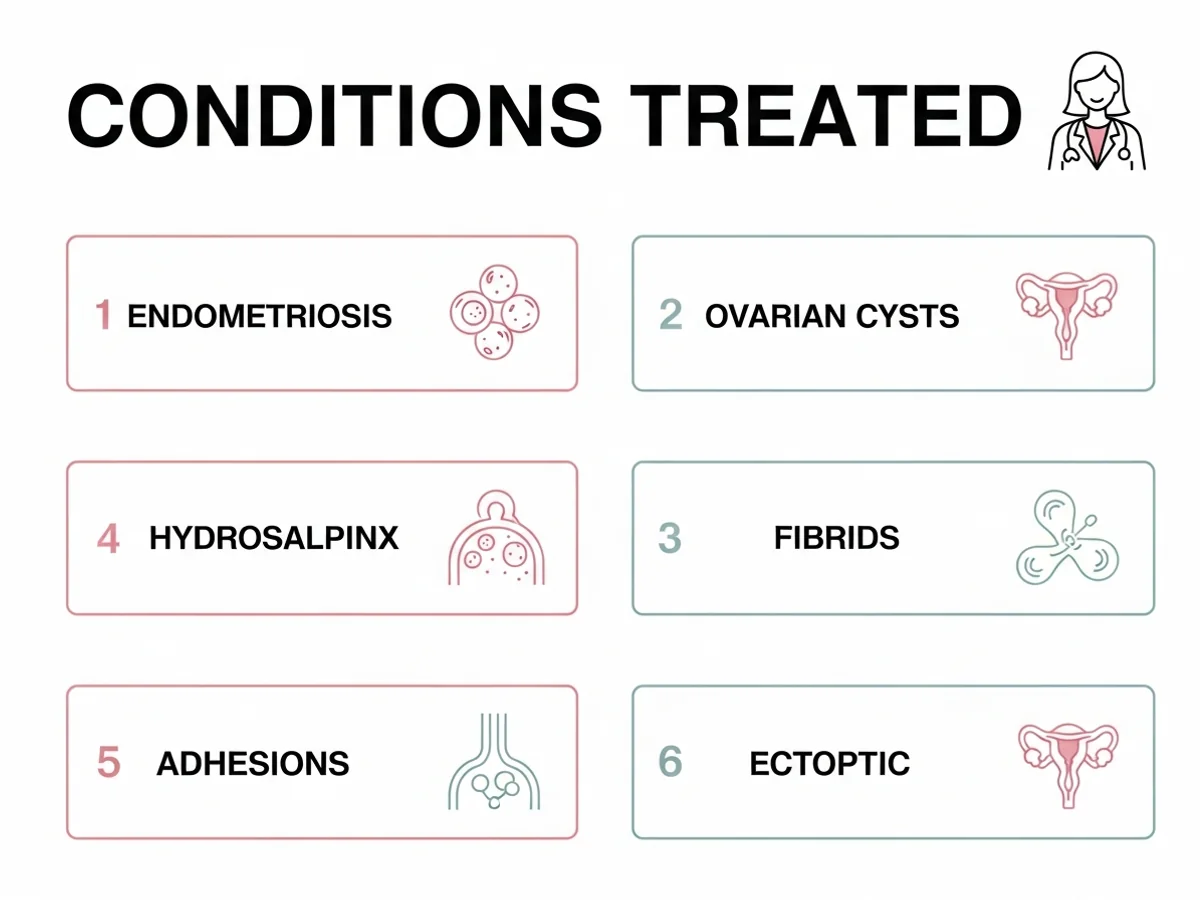
In laparoscopic surgery, the abdomen is gently inflated with CO₂ gas to create working space, a high-definition camera is passed through a small incision near the navel, and one to three additional 5 mm incisions are used for instruments. Conditions like endometriosis are excised rather than burned wherever possible — excision is associated with better symptom relief and lower recurrence. Ovarian cysts are removed while preserving as much healthy ovarian cortex as possible to protect future egg supply. Fibroids that distort the uterine cavity are removed via laparoscopic myomectomy with careful repair of the uterine wall. Tubal disease is assessed under direct vision using dye testing (chromopertubation), which is more accurate than HSG and allows targeted treatment in the same sitting.
Conditions We Treat with Laparoscopy
Laparoscopic Procedures We Perform
Laparoscopic Excision of Endometriosis
Careful excision (rather than ablation alone) of endometriotic lesions from the pelvic peritoneum, ovaries, bowel surface, and bladder peritoneum. Excision is associated with better pain relief and lower recurrence than superficial diathermy.
Laparoscopic Cystectomy
Removal of endometriomas, dermoid cysts, and other ovarian cysts with ovarian-tissue-sparing technique. Preserving healthy cortex is critical for protecting your ovarian reserve and future fertility.
Laparoscopic Myomectomy
Keyhole removal of subserosal and intramural uterine fibroids that distort the cavity or affect implantation, followed by careful multi-layer repair of the uterine wall.
Tubal Surgery & Salpingectomy
Laparoscopic removal or clipping of fluid-filled fallopian tubes (hydrosalpinx) before IVF — the fluid is toxic to embryos and removing it can roughly double IVF success rates. Tubal reconstruction is offered in selected cases.
Adhesiolysis
Division of pelvic adhesions caused by previous surgery, infection, or endometriosis, restoring normal anatomy and improving the chance of natural conception or successful embryo transfer.
Diagnostic Laparoscopy with Chromopertubation
Camera-guided pelvic survey with dye testing of the fallopian tubes — the most accurate test of tubal patency and the reference standard for diagnosing early-stage endometriosis.
Laparoscopic Management of Ectopic Pregnancy
Emergency or planned removal of a tubal ectopic pregnancy with preservation of the healthy tube whenever clinically safe.
Why Choose Dr. Rukkayal?
- Fertility-first surgical philosophy — every decision protects future pregnancy potential.
- Excision-based endometriosis surgery for better symptom relief and lower recurrence.
- Ovarian-tissue-sparing technique to preserve egg supply during cystectomy.
- MRCOG (UK) and FRM (Germany) trained — international standards in reproductive surgery.
- Same-day or next-day discharge for most cases; rapid return to fertility treatment.
- Direct continuity of care — same surgeon plans, operates, and runs your IVF cycle.
- Convenient Chennai locations and visiting consultancy at Apollo, Motherhood, and Cloudnine.
Your Treatment Journey
Surgical Decision & Pre-Op Workup
Detailed counselling on whether laparoscopy is the right next step, expected findings, fertility impact, and alternatives. Pre-operative blood tests and anaesthesia fitness assessment are completed.
Day of Surgery
Surgery is performed under general anaesthesia using 2–4 small incisions. Duration varies from 30 minutes (diagnostic) to 2–3 hours (complex endometriosis or myomectomy).
Intra-Operative Decisions
Dr. Rukkayal evaluates the pelvis and treats findings in the same procedure wherever possible — excising endometriosis, removing cysts, repairing the uterus, or addressing tubal disease.
Recovery & Discharge
Most patients are discharged the same day or next morning. Pain is typically mild and managed with oral medication. Return to desk-based work is usually possible in 5–7 days.
Fertility Plan Activation
Follow-up at 1–2 weeks reviews intra-operative findings and histopathology, then activates the next fertility step — natural conception window, IUI, or IVF — based on your surgical result.
Have Questions About Your Treatment?
Book a consultation with Dr. Rukkayal Fathima to understand your options and next steps.
Frequently Asked Questions
Most women feel substantially better within 3–5 days and return to desk-based work within a week. More extensive procedures (severe endometriosis excision, myomectomy) may require 2–3 weeks before resuming heavier physical activity. Detailed return-to-activity guidance is given on discharge.
For women with endometriosis, blocked tubes, hydrosalpinx, ovarian cysts, or pelvic adhesions, laparoscopy frequently improves natural conception rates and IVF outcomes. The exact benefit depends on the underlying condition and its severity — discussed in detail before surgery.
Ovarian surgery can affect ovarian reserve, especially when endometriomas are removed. Dr. Rukkayal uses ovarian-tissue-sparing techniques and minimises energy use near the ovary to protect future egg supply. For high-risk cases, fertility preservation (egg freezing) before surgery is discussed.
For most fibroids encountered in fertility patients, laparoscopic myomectomy offers smaller scars, less pain, fewer adhesions, faster recovery, and equivalent or better fertility outcomes. Very large or numerous fibroids may still require open surgery — this is decided case by case.
Most patients can start IVF stimulation in the second or third menstrual cycle after laparoscopy. After major myomectomy, a 3–6 month healing window is typically recommended before pregnancy or embryo transfer to protect the uterine scar.
Cost varies by procedure complexity, anaesthesia time, implants used (if any), and hospital. A clear itemised estimate is shared before surgery so there are no financial surprises.
Laparoscopy uses 5–10 mm incisions, usually 3 or 4 of them, placed in skin creases and the navel. After healing, scars are typically faint and easy to conceal. They are dramatically smaller than the single long scar of open surgery.
Yes. Laparoscopy is the reference standard for diagnosing endometriosis because subtle peritoneal disease and early-stage lesions are often invisible on MRI or ultrasound. Many women with unexplained infertility or pelvic pain are diagnosed with previously undetected endometriosis at laparoscopy.
Blood transfusion is rare in modern fertility-focused laparoscopy. Even during myomectomy, blood loss is typically minimal because of energy devices and careful surgical technique. A pre-op haemoglobin check ensures you are in optimal shape before surgery.
Yes. Combined laparoscopy + hysteroscopy under one anaesthesia is common when both pelvic and uterine cavity evaluation are needed — for example, in unexplained infertility, recurrent IVF failure, or before complex IVF cycles.
Related Specialties
Endoscopy (Overview)
Hub page covering both laparoscopy and hysteroscopy options.
Hysteroscopy Treatment
Minimally invasive uterine cavity surgery for polyps, fibroids, and adhesions.
Endometriosis Treatment
Specialised management of endometriosis and its impact on fertility.
IVF Treatment
IVF after surgical optimisation often delivers higher success rates.
Related Articles
Laparoscopy vs Hysteroscopy: Key Differences
Laparoscopy vs Hysteroscopy explained by Chennai fertility specialist Dr. Rukkayal Fathima. Understand the differences & which is right for you.
10 min read
Laparoscopy Cost in Chennai: What to Expect
Understanding laparoscopy cost in Chennai. Learn about diagnostic vs operative costs & factors affecting pricing. Expert guide by Dr. Rukkayal.
9 min read
Blocked Fallopian Tubes Treatment
Blocked fallopian tubes are a common, treatable cause of infertility. Dr. Rukkayal explains diagnosis, treatment, and IVF options in Chennai.
9 min read
Ectopic Pregnancy: Symptoms & Treatment
Ectopic pregnancy explained by Chennai fertility specialist Dr. Rukkayal Fathima. Learn symptoms, causes & treatment options in Chennai.
10 min read
Endometriosis Surgery: Fertility Impact
Endometriosis surgery and fertility in Chennai: How it improves your chances of conceiving. Expert insights from Dr. Rukkayal Fathima.
9 min read
Fibroid Removal & Fertility
Understand the impact of fibroid removal on fertility. Expert guidance in Chennai from Dr. Rukkayal Fathima.
8 min read
Laparoscopy: Is It Needed for Infertility?
Understand the role of laparoscopy for infertility in Chennai. Expert insights on diagnosis, benefits, and when to consider this surgery.
8 min read
Second Period After Laparoscopy: Why It's Late
Dr. Rukkayal Fathima, fertility specialist in Chennai, explains why the second period after laparoscopy is usually delayed, what's normal, and when to call.
10 min read
Ready to Get Started?
Book a consultation with Dr. Rukkayal Fathima about your treatment options
Book AppointmentBook Consultation
Consultation Booked!
Thank you for reaching out. Our team will contact you shortly to confirm your appointment.
Need urgent help? Call us