Fibroid Removal & Fertility

This article is part of our guide on Female Fertility in Chennai — see the full treatment overview, success rates, and costs.
Fibroids, also known as uterine leiomyomas, are non-cancerous growths in the uterus that can affect a woman's fertility. If you're in Chennai and concerned about how fibroids might be impacting your ability to conceive, this article provides a comprehensive overview of fibroid removal options and their impact on fertility, with insights from Dr. Rukkayal Fathima, a leading fertility specialist in Chennai.
What Is the Link Between Fibroids and Fertility?
Fibroids are common, with estimates suggesting that up to 70-80% of women will develop them by age 50. However, not all fibroids affect fertility. The impact depends on their size, location, and number. In my clinical experience, submucosal fibroids, which grow into the uterine cavity, are the most likely to cause fertility problems.
Here's how fibroids can impact fertility:
- Distortion of the uterine cavity: Submucosal fibroids can change the shape of the uterus, making it difficult for an embryo to implant. Studies show that clinical pregnancy rates are significantly lower in women with submucosal fibroids.
- Blockage of the fallopian tubes: Fibroids near the fallopian tubes can block them, preventing sperm from reaching the egg.
- Changes in the cervical canal: Fibroids can alter the shape of the cervix, hindering sperm transport.
- Impaired implantation: Even if implantation occurs, fibroids can disrupt the uterine lining, leading to early miscarriage. Some research suggests fibroids may alter uterine contractions, leading to inflammation. They can also divert blood flow from the endometrium, preventing thickening and impeding implantation. Furthermore, fibroids can influence levels of IL-10 and glycodelin, which support implantation.
According to ASRM guidelines, myomectomy may be considered to improve pregnancy rates in asymptomatic women with cavity-distorting myomas. However, myomectomy is generally not advised to improve pregnancy outcomes in asymptomatic infertile women with non-cavity-distorting myomas. It's essential to consult with a fertility specialist to determine the best course of action based on your individual circumstances.
Fibroid Removal Options for Fertility in Chennai
Several fibroid removal options are available in Chennai, each with its own advantages and disadvantages. The choice depends on the size, location, and number of fibroids, as well as your desire to preserve fertility. Dr. Rukkayal Fathima specializes in minimally invasive techniques that can improve fertility outcomes.
Here's an overview of the main options:
- Hysteroscopic Myomectomy: This minimally invasive procedure is used to remove submucosal fibroids that are located inside the uterine cavity. It involves inserting a hysteroscope (a thin, lighted telescope) through the cervix and using instruments to shave off or remove the fibroid. Recovery is usually quick, often within a few days. Hysteroscopic myomectomy is often considered for cavity-distorting myomas.
- Laparoscopic Myomectomy: This keyhole surgery involves making small incisions in the abdomen and using specialized instruments to remove fibroids from the outside of the uterus. It is suitable for smaller intramural (within the uterine wall) and subserosal (on the outer surface of the uterus) fibroids. Laparoscopic myomectomy typically requires a hospital stay of 1-2 days and a recovery period of 1-2 weeks. In my experience, patients in Chennai appreciate the smaller scars and faster recovery compared to open surgery. A study published in medRxiv in June 2024, indicated that laparoscopic myomectomy improves reproductive outcomes in women with subserosal, intramural-subserosal, and intramural myomatous nodules.
- Laparotomy (Open Myomectomy): This traditional surgical approach involves making a larger incision in the abdomen to access and remove fibroids. It is typically reserved for larger, multiple, or deeply embedded fibroids. While effective, laparotomy has a longer recovery time (4-6 weeks) and a higher risk of complications compared to minimally invasive techniques.
- Uterine Artery Embolization (UAE): This minimally invasive procedure involves blocking the blood supply to the fibroids, causing them to shrink. While UAE can be effective in reducing fibroid size and symptoms, it is generally not recommended for women who desire future fertility, as it can potentially damage the uterus and ovaries. ICMR guidelines state that UAE may be considered in specialized situations.
Comparing Fibroid Removal Techniques
Choosing the right fibroid removal technique is crucial for optimizing fertility outcomes. Here's a comparison of the different options:
| Feature | Hysteroscopic Myomectomy | Laparoscopic Myomectomy | Laparotomy (Open Myomectomy) | Uterine Artery Embolization (UAE) |
|---|---|---|---|---|
| Fibroid Location | Submucosal | Intramural, Subserosal | Large, Multiple, Deep | All Types |
| Incision Size | None | Small (Keyhole) | Large | None (Catheter) |
| Hospital Stay | Outpatient or 1 day | 1-2 Days | 3-5 Days | 1-2 Days |
| Recovery Time | Few Days | 1-2 Weeks | 4-6 Weeks | 1-2 Weeks |
| Fertility Impact | Positive | Positive | Positive | Generally Not Recommended |
| Risk of Complications | Low | Low | Moderate | Moderate |
Disclaimer: This table provides general information and individual results may vary. Consult with Dr. Rukkayal Fathima for personalized advice.
How Fibroid Removal Can Improve Your Chances of Pregnancy
Removing fibroids, especially submucosal ones, can significantly improve your chances of conceiving, both naturally and through assisted reproductive technologies (ART) like IVF.
Here's how:
- Restoring the uterine cavity: Removing fibroids that distort the uterine cavity creates a more favorable environment for embryo implantation. Meta-analyses have shown that clinical pregnancy rates are significantly improved after hysteroscopic myomectomy for cavity-distorting fibroids.
- Improving endometrial receptivity: Fibroids can interfere with the normal development of the uterine lining, making it difficult for an embryo to attach. Removing fibroids can restore normal endometrial receptivity.
- Reducing miscarriage risk: Fibroids have been linked to an increased risk of miscarriage. Removing fibroids can reduce this risk and improve the chances of a successful pregnancy.
- Enhancing IVF success: Fibroid removal can improve IVF success rates by creating a more receptive uterine environment. Studies suggest that removing cavity-distorting fibroids can increase clinical pregnancy rates after IVF.
However, it's important to note that fibroid removal is not a guaranteed solution for infertility. Other factors, such as age, ovarian reserve, sperm quality, and other underlying medical conditions, also play a role. A comprehensive fertility evaluation is essential to determine the best course of treatment.
What to Expect After Fibroid Removal Surgery
The recovery process after fibroid removal surgery varies depending on the type of procedure performed.
- Hysteroscopic Myomectomy: You can usually go home the same day or the next day. You may experience some cramping and light bleeding for a few days. Most women can return to normal activities within a week.
- Laparoscopic Myomectomy: You will typically stay in the hospital for 1-2 days. You may experience some pain and discomfort at the incision sites. Most women can return to normal activities within 1-2 weeks.
- Laparotomy (Open Myomectomy): You will typically stay in the hospital for 3-5 days. You will experience more pain and discomfort compared to minimally invasive procedures. It is generally advised to rest for at least 4–6 weeks, and avoid lifting heavy objects or doing strenuous exercises.
After any type of fibroid removal surgery, it's important to follow Dr. Rukkayal's instructions carefully. This may include taking pain medication, avoiding strenuous activity, and attending follow-up appointments.
Beyond Surgery: Lifestyle and Dietary Considerations
While surgery is often necessary to remove fibroids that are affecting fertility, lifestyle and dietary changes can also play a role in managing fibroids and improving overall reproductive health.
Here are some recommendations:
- Maintain a healthy weight: Obesity has been linked to an increased risk of fibroids.
- Eat a balanced diet: Focus on whole, unprocessed foods, including fruits, vegetables, and whole grains.
- Limit red meat and processed foods: Some studies suggest that high consumption of red meat and processed foods may increase the risk of fibroids.
- Increase Vitamin D intake: Vitamin D deficiency is commonly associated with uterine fibroids. Higher levels of vitamin D are associated with a lower incidence of uterine fibroids. Consult a healthcare provider to test vitamin D levels and guide supplementation.
- Increase Fiber intake: A diet rich in fiber, vegetables, and fruits may help reduce the risk of uterine fibroids by regulating hormones and metabolism.
- Consider Iron intake: Heavy menstrual bleeding, a common symptom of fibroids, can lead to iron deficiency. Ensure adequate iron intake through diet or supplements.
- Manage stress: Chronic stress can affect hormone levels and potentially contribute to fibroid growth. Practice stress-reducing activities like yoga, meditation, or spending time in nature.
When to See a Fertility Specialist
If you are experiencing any of the following, it's important to see a fertility specialist like Dr. Rukkayal Fathima:
- You have been trying to conceive for 6-12 months without success.
- You have a known diagnosis of fibroids.
- You are experiencing heavy or painful periods.
- You have a history of miscarriage.
- You are planning to undergo IVF or other fertility treatments.
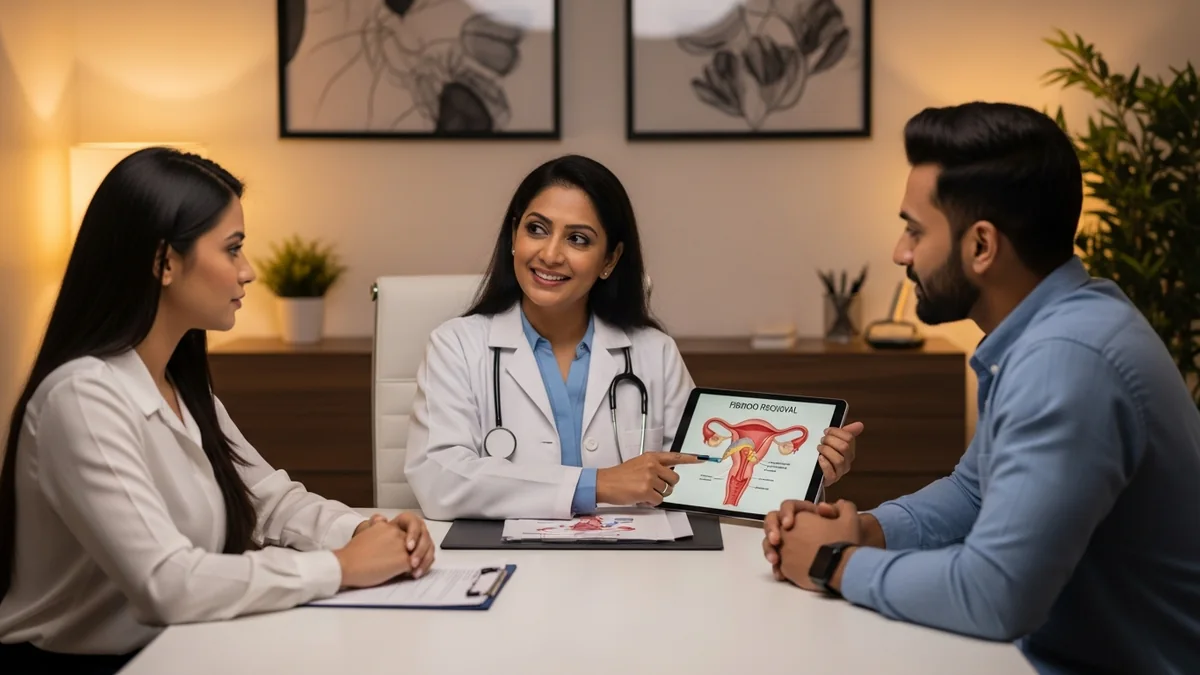
Dr. Rukkayal can provide a comprehensive evaluation, discuss your treatment options, and help you develop a personalized plan to achieve your pregnancy goals. Fibroid removal is performed via our laparoscopy treatment in Chennai. For personalised guidance, book a consultation with Dr. Rukkayal Fathima.
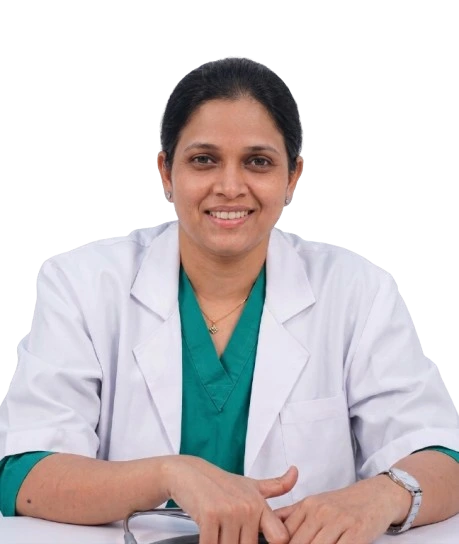
Dr. Rukkayal Fathima
MBBS, MS (OBG), MRCOG (UK), FRM (Kiel University)
Fertility Specialist, Obstetrician, Gynecologist & Laparoscopic Surgeon
Dr. Rukkayal Fathima is one of India's leading Gynaecologists and the best fertility doctor in Chennai. She has 12+ years of experience and treated 3000+ patients. She specialises in IVF, ICSI, TESA/Micro TESE, IUI, Early Pregnancy Scan, Menopause advice, and Gynaecological surgeries. She is a Co-founder & Director of Yaal Fertility and Women's Centre, the Best Fertility Center in Chennai.
Have Questions About Female Fertility?
Every situation is unique. Dr. Rukkayal Fathima provides personalised, evidence-based guidance across multiple locations in Chennai.
Frequently Asked Questions
Yes, fibroids, particularly submucosal ones (growing into the uterine cavity), can affect fertility. They can distort the uterine lining, making it difficult for an embryo to implant. Fibroids can also block the fallopian tubes or affect sperm transport. However, not all fibroids cause infertility, and treatment options are available.
The main fibroid removal options are myomectomy (surgical removal of fibroids) and, in some cases, uterine artery embolization (UAE). Myomectomy can be performed via laparotomy (open surgery), laparoscopy (keyhole surgery), or hysteroscopy (through the cervix). The choice depends on the size, number, and location of the fibroids, as well as your desire to preserve fertility.
Removing submucosal fibroids before IVF can improve the chances of successful implantation and pregnancy. Intramural fibroids (within the uterine wall) may also affect IVF success, but the impact is less clear. Studies suggest that removing cavity-distorting fibroids can increase clinical pregnancy rates after IVF.
Recovery time varies depending on the type of fibroid removal surgery. Hysteroscopic myomectomy usually has the shortest recovery (a few days). Laparoscopic myomectomy typically requires 1-2 weeks, while open myomectomy may take 4-6 weeks. Dr. Rukkayal will provide detailed post-operative instructions.
The cost of fibroid removal in Chennai depends on the surgical technique, hospital charges, and anaesthesia fees. Hysteroscopic myomectomy is generally less expensive than laparoscopic or open myomectomy. Costs can range from ₹40,000 to ₹1,50,000 or more. A detailed cost estimate will be provided after your consultation.
While fibroid removal can significantly improve fertility in many cases, it does not guarantee pregnancy. Other factors, such as age, ovarian reserve, sperm quality, and overall health, also play a role. Dr. Rukkayal will conduct a thorough evaluation to determine the best course of treatment for your individual circumstances.
While surgery is often recommended for fibroids impacting fertility, certain medications can help manage symptoms like heavy bleeding and pain. These medications don't remove fibroids but can improve quality of life. Lifestyle changes, such as diet and exercise, may also help manage fibroid growth. However, these are not substitutes for surgical removal when fertility is the primary concern.
Consult Dr. Rukkayal in Chennai
Available at 4 fertility clinic locations across Chennai. Walk-ins welcome; appointments preferred.
No. 747, Poonamallee High Road, Alagappa Nagar, Kilpauk, Chennai – 600 010
No. 149/1, Luz Church Road, Bhaskarapuram, Mylapore, Chennai – 600 004
No. 95, Plot No. 1, Velachery Main Road, Devi Karumariamman Nagar, Pallikaranai, Chennai – 600 100
Dr. Rukkayal is also a visiting consultant at Apollo Hospital, Motherhood Hospital, Cloud Nine Hospital, MGM Hospital, Metha Hospital and St. Isabel Hospital in Chennai. View all clinic locations