Endometriosis Surgery: Fertility Impact

This article is part of our guide on Female Fertility in Chennai — see the full treatment overview, success rates, and costs.
Endometriosis surgery aims to improve fertility by removing endometrial implants and adhesions. If you're in Chennai and struggling to conceive due to endometriosis, this post will explore how surgery can help, what to expect, and when to seek expert advice from a fertility specialist like myself.
What Is Endometriosis and How Does It Affect Fertility?
Endometriosis is a condition where tissue similar to the lining of the uterus (endometrium) grows outside the uterus, often affecting the ovaries, fallopian tubes, and pelvic tissues. This misplaced tissue responds to hormonal changes, thickening, breaking down, and bleeding with each menstrual cycle. However, unlike the uterine lining, this blood has no way to exit the body, leading to inflammation, scar tissue formation (adhesions), and cysts (endometriomas).
In my clinical experience, endometriosis significantly impacts fertility in several ways. Firstly, the physical distortion of the pelvic anatomy, including blocked fallopian tubes or adhesions around the ovaries, can prevent the egg from traveling to the uterus or hinder sperm from reaching the egg. Secondly, the chronic inflammation associated with endometriosis creates a hostile environment for both eggs and sperm, impairing their quality and function. Studies have shown that endometriosis can affect oocyte (egg) quality, fertilization rates, and embryo implantation. This inflammation can also lead to an increased risk of miscarriage.
The severity of endometriosis is classified into stages (I-IV) based on the amount, location, and depth of endometrial implants, as well as the presence and extent of adhesions. However, the stage of endometriosis doesn't always correlate with the severity of symptoms or the degree of fertility impairment. Even mild endometriosis can cause significant pain and fertility problems.
Patients often ask me if they can have normal hormone levels and still have endometriosis. The answer is yes. Endometriosis is not primarily a hormonal imbalance issue, though it is hormone-dependent. Women with endometriosis typically have normal levels of estrogen and progesterone, but the endometrial tissue outside the uterus responds abnormally to these hormones, leading to the characteristic symptoms and fertility challenges.
Who Is a Good Candidate for Endometriosis Surgery for Fertility?
Endometriosis surgery for fertility isn't a one-size-fits-all solution. The decision to proceed with surgery depends on several factors, including the severity of your symptoms, the extent and location of the endometriosis, your age, your ovarian reserve (egg supply), and your overall reproductive goals.
Generally, endometriosis surgery may be recommended for women who:
- Are experiencing pelvic pain, painful periods (dysmenorrhea), painful intercourse (dyspareunia), or other symptoms that interfere with their quality of life.
- Have been diagnosed with moderate to severe endometriosis (stages III or IV).
- Have endometriomas (ovarian cysts caused by endometriosis) that are causing pain or affecting ovarian function.
- Are experiencing infertility and have no other identifiable cause.
- Have failed to conceive after a reasonable period of trying naturally or with less invasive treatments like ovulation induction or IUI.
However, it's important to note that surgery may not be the best option for everyone. For example, women with very mild endometriosis (stage I or II) who are not experiencing significant pain may be able to conceive naturally or with assisted reproductive technologies (ART) without surgery. Similarly, women with severely diminished ovarian reserve may benefit more from proceeding directly to IVF rather than undergoing surgery, as repeat surgeries may further reduce ovarian reserve.
According to ESHRE guidelines, the decision to perform surgery should be guided by the presence or absence of pain symptoms, patient age and preferences, history of previous surgery, presence of other infertility factors, ovarian reserve and the estimated endometriosis fertility index (EFI).
Endometriosis Surgery: Step-by-Step Process
Endometriosis surgery is typically performed laparoscopically, a minimally invasive surgical technique that involves making small incisions in the abdomen and using a camera and specialized instruments to remove or destroy the endometrial implants and adhesions. In my practice, I prioritize excision, which involves cutting out the endometrial implants, over ablation (burning), as it removes the entire lesion and reduces the risk of recurrence.
Here's a step-by-step overview of the typical process:
- Pre-operative evaluation: Before surgery, you'll undergo a thorough evaluation, including a pelvic exam, imaging studies (such as ultrasound or MRI), and blood tests to assess your overall health and the extent of your endometriosis.
- Anesthesia: Endometriosis surgery is typically performed under general anesthesia, meaning you'll be asleep during the procedure.
- Laparoscopic access: The surgeon will make small incisions (typically 0.5-1 cm) in your abdomen, usually near your belly button and lower abdomen. A laparoscope (a thin, lighted tube with a camera) is inserted through one of the incisions to visualize the pelvic organs.
- Surgical removal of endometriosis: Using specialized instruments inserted through the other incisions, the surgeon will carefully remove or destroy the endometrial implants and adhesions. This may involve excision (cutting out the implants) or ablation (burning the implants with heat or laser).
- Reconstruction of pelvic anatomy: In some cases, the surgeon may need to reconstruct the pelvic anatomy by repairing damaged tissues or removing scar tissue.
- Closure: Once the surgery is complete, the incisions are closed with sutures or surgical staples.
- Post-operative recovery: After surgery, you'll be monitored in the recovery room until you're awake and stable. You may experience some pain and discomfort, which can be managed with pain medication. Most women can go home the same day or the next day after laparoscopic endometriosis surgery.
Success Rates of Endometriosis Surgery for Fertility
The success rates of endometriosis surgery for fertility vary depending on several factors, including the severity of the endometriosis, the surgical technique used, the patient's age and ovarian reserve, and the presence of other fertility factors.
Generally, laparoscopic surgery for endometriosis can improve fertility outcomes for many women. Studies have shown that women who undergo laparoscopic excision of endometriosis have higher spontaneous pregnancy rates compared to those who do not have surgery. A meta-analysis of observational studies showed that live birth rates doubled with IVF following surgery compared to IVF alone.
However, it's important to have realistic expectations. Endometriosis surgery does not guarantee pregnancy, and some women may still need ART to conceive. Natural conception rates are highest within the first 6–12 months post-surgery, after which ART may be considered.
Here's a table summarizing the general success rates:
| Outcome | Success Rate (Approximate) |
|---|---|
| Spontaneous Pregnancy (1 year) | 40-60% |
| Pregnancy with ART (IVF) | 60-75% |
| Pain Relief | 70-90% |
Note: These are approximate ranges, and individual results may vary.
Endometriosis Surgery Cost in Chennai
The cost of endometriosis surgery in Chennai can vary depending on several factors, including the hospital or clinic, the surgeon's experience, the type of surgery (laparoscopic vs. open), and the extent of the endometriosis.
On average, laparoscopic surgery for endometriosis in Chennai can range from ₹75,000 to ₹1,50,000. This cost typically includes the surgeon's fees, anesthesia fees, hospital fees, and the cost of any necessary medications or supplies. However, it may not include the cost of pre-operative evaluations, such as pelvic exams, imaging studies, or blood tests.
It's important to discuss the cost of surgery with your surgeon and the hospital or clinic beforehand to get a clear understanding of what's included and what's not. Many hospitals and clinics offer payment plans or financing options to help make the cost of surgery more manageable.
Risks and Side Effects of Endometriosis Surgery
Like any surgical procedure, endometriosis surgery carries some risks and potential side effects. These can include:
- Infection: There is a risk of infection at the incision sites or within the pelvic cavity.
- Bleeding: Excessive bleeding can occur during or after surgery.
- Damage to organs: There is a risk of damage to nearby organs, such as the bowel, bladder, or ureters.
- Scar tissue formation: Scar tissue can form after surgery, leading to adhesions or pelvic pain.
- Ovarian damage: Surgery can damage the ovaries, potentially reducing ovarian reserve and affecting fertility.
- Anesthesia complications: There are risks associated with general anesthesia, such as allergic reactions or breathing problems.
- Recurrence of endometriosis: Endometriosis can recur after surgery, especially if the endometrial implants are not completely removed.
Before undergoing endometriosis surgery, it's important to discuss the risks and benefits with your surgeon and to understand the potential complications.
What to Expect After Endometriosis Surgery
The recovery period after endometriosis surgery varies depending on the type of surgery performed and the individual's overall health. After laparoscopic surgery, most women can go home the same day or the next day. You may experience some pain and discomfort, which can be managed with pain medication.
It's important to follow your surgeon's instructions carefully during the recovery period. This may include:
- Taking pain medication as prescribed.
- Avoiding strenuous activity for several weeks.
- Avoiding sexual intercourse for several weeks.
- Keeping the incision sites clean and dry.
- Attending follow-up appointments with your surgeon.
Most women can return to their normal activities within a few weeks after laparoscopic endometriosis surgery. If you're trying to conceive, your doctor may recommend that you start trying naturally as soon as you feel comfortable.
When to Seek Professional Help
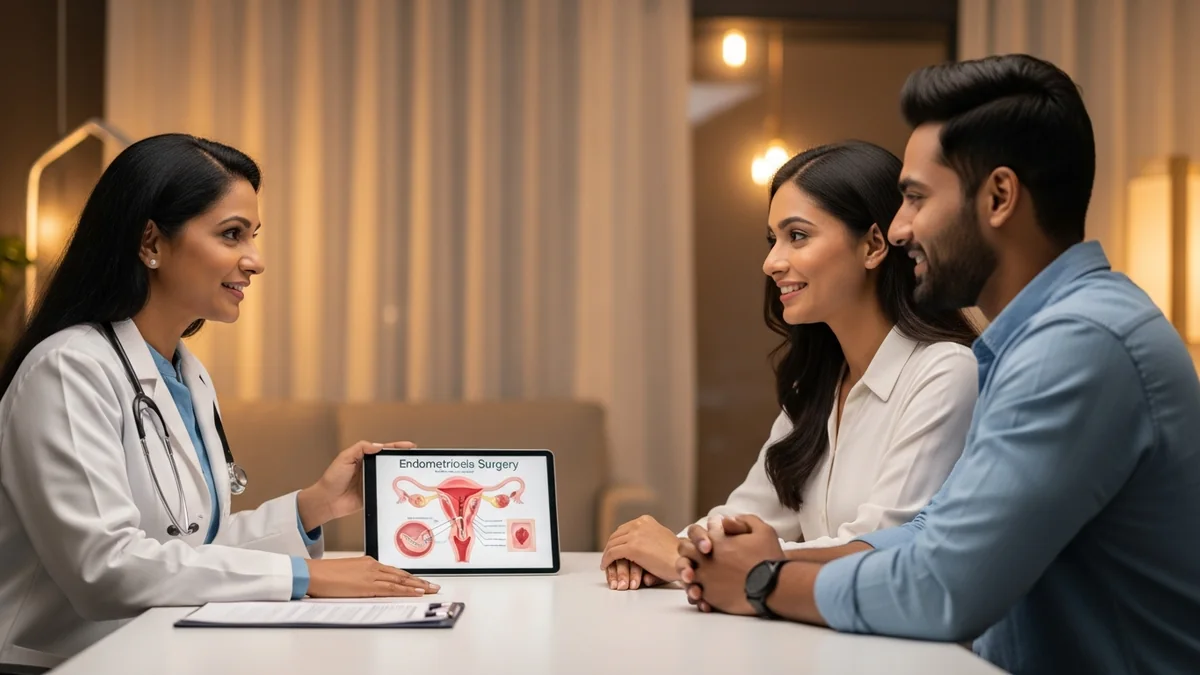
If you're experiencing symptoms of endometriosis or are struggling to conceive, it's important to seek professional help from a fertility specialist. As a fertility specialist practicing across multiple locations in Chennai, including Egmore/Chetpet, Mylapore, and Tambaram, I can provide a thorough evaluation, discuss your treatment options, and help you develop a personalized plan to achieve your reproductive goals. Read about our endometriosis treatment in Chennai and surgical approach. For personalised guidance, book a consultation with Dr. Rukkayal Fathima.
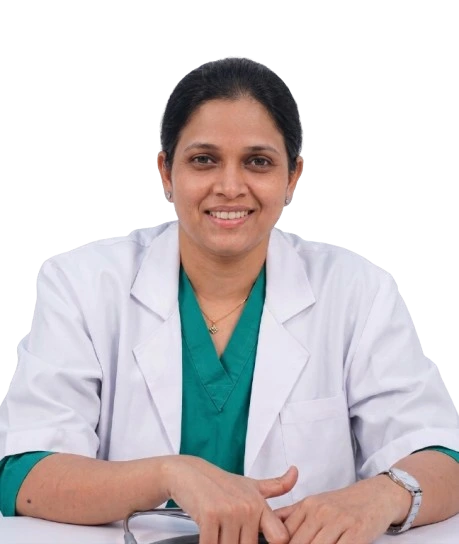
Dr. Rukkayal Fathima
MBBS, MS (OBG), MRCOG (UK), FRM (Kiel University)
Fertility Specialist, Obstetrician, Gynecologist & Laparoscopic Surgeon
Dr. Rukkayal Fathima is one of India's leading Gynaecologists and the best fertility doctor in Chennai. She has 12+ years of experience and treated 3000+ patients. She specialises in IVF, ICSI, TESA/Micro TESE, IUI, Early Pregnancy Scan, Menopause advice, and Gynaecological surgeries. She is a Co-founder & Director of Yaal Fertility and Women's Centre, the Best Fertility Center in Chennai.
Have Questions About Female Fertility?
Every situation is unique. Dr. Rukkayal Fathima provides personalised, evidence-based guidance across multiple locations in Chennai.
Frequently Asked Questions
The primary goal is to remove endometrial implants and adhesions to restore normal pelvic anatomy, reduce inflammation, and improve the chances of natural conception or the success of assisted reproductive technologies like IVF. Surgery can also alleviate pain associated with endometriosis, further enhancing quality of life.
Endometriosis can impact fertility through several mechanisms, including distortion of pelvic anatomy, inflammation affecting egg and sperm quality, impaired implantation, and increased risk of miscarriage. It may also impact ovarian reserve or function, making natural conception more challenging.
Laparoscopic surgery, a minimally invasive approach, is generally preferred for endometriosis removal. Excision, which involves cutting out the endometrial implants, is considered superior to ablation (burning) as it removes the entire lesion and reduces recurrence. The specific technique depends on the location and severity of endometriosis.
The cost of endometriosis surgery in Chennai can vary depending on the hospital, the surgeon's experience, and the complexity of the case. On average, laparoscopic surgery for endometriosis can range from ₹75,000 to ₹1,50,000. A detailed consultation is necessary for an accurate estimate.
Most specialists recommend trying to conceive naturally for 6-12 months after surgery. Studies show the highest pregnancy rates occur within this period. If conception doesn't occur within this timeframe, assisted reproductive technologies like IUI or IVF may be considered.
No, endometriosis surgery does not guarantee pregnancy. While surgery can significantly improve fertility outcomes for many women, success depends on various factors, including the severity of endometriosis, age, ovarian reserve, and the presence of other fertility issues. A thorough evaluation is essential.
Consult Dr. Rukkayal in Chennai
Available at 4 fertility clinic locations across Chennai. Walk-ins welcome; appointments preferred.
No. 747, Poonamallee High Road, Alagappa Nagar, Kilpauk, Chennai – 600 010
No. 149/1, Luz Church Road, Bhaskarapuram, Mylapore, Chennai – 600 004
No. 95, Plot No. 1, Velachery Main Road, Devi Karumariamman Nagar, Pallikaranai, Chennai – 600 100
Dr. Rukkayal is also a visiting consultant at Apollo Hospital, Motherhood Hospital, Cloud Nine Hospital, MGM Hospital, Metha Hospital and St. Isabel Hospital in Chennai. View all clinic locations