Painful Periods & Fertility: What's the Link?

This article is part of our guide on Female Fertility in Chennai — see the full treatment overview, success rates, and costs.
Painful periods, also known as dysmenorrhea, can be a source of significant discomfort for many women. While experiencing period pain is common, the question of whether painful periods affect fertility is a frequent concern. The short answer is that while period pain itself doesn't necessarily cause infertility, severe pain can sometimes indicate underlying conditions that can impact your ability to conceive.
Understanding Painful Periods — What It Means
Dysmenorrhea refers to the experience of painful menstruation. It's a common condition affecting many women of reproductive age. It is important to differentiate between primary and secondary dysmenorrhea. Primary dysmenorrhea refers to recurring pain that isn't caused by other diseases. It typically begins shortly after menstruation starts in adolescence. Secondary dysmenorrhea, on the other hand, is pain caused by an underlying medical condition, such as endometriosis, adenomyosis, or fibroids.
In my clinical experience, many patients in Chennai dismiss painful periods as "normal," delaying seeking medical attention. However, differentiating between normal menstrual discomfort and pain that warrants investigation is crucial for protecting long-term reproductive health. Often, the severity and impact of the pain on daily life are key indicators. If period pain consistently disrupts your work, sleep, or overall quality of life, it's essential to consult a gynaecologist. Women in areas like Mylapore, Chetpet, and Tambaram can easily access specialist care to address these concerns. Remember, while mild discomfort is common, debilitating pain is not something you should simply endure.
Common Causes of Painful Periods
The causes of painful periods can vary, ranging from hormonal imbalances to underlying medical conditions. Understanding the potential causes is crucial for effective management and addressing any potential impact on fertility.
- Primary Dysmenorrhea: This type of period pain is often caused by an excess of prostaglandins, hormone-like substances that trigger uterine contractions. These contractions can be intense, leading to pain and discomfort. In most cases, primary dysmenorrhea does not impact fertility. Meta-analysis documented significantly higher cramp prevalence in ovulatory cycles.
- Endometriosis: This condition involves the growth of endometrial-like tissue outside the uterus. These growths can cause inflammation, scarring, and pain, potentially affecting the ovaries, fallopian tubes, and uterus. Endometriosis affects an estimated 7-15% of women and can significantly impact fertility.
- Adenomyosis: Similar to endometriosis, adenomyosis involves the growth of the uterine lining into the muscular wall of the uterus. This can cause heavy, painful periods and may interfere with implantation.
- Uterine Fibroids: These non-cancerous growths in the uterus can cause heavy bleeding, pelvic pain, and fertility problems, depending on their size and location.
- Pelvic Inflammatory Disease (PID): This infection of the reproductive organs can cause chronic pelvic pain and scarring, potentially leading to infertility.
Differentiating between these causes is essential for determining the best course of action. For example, a patient experiencing increasingly severe pain over time might require investigation for endometriosis or adenomyosis. In contrast, someone with consistent pain since adolescence might be experiencing primary dysmenorrhea, which is often manageable with lifestyle changes and over-the-counter pain relief.
When Painful Periods Is Normal vs a Warning Sign
It's important to differentiate between what's considered "normal" period pain and when it becomes a warning sign that warrants medical attention. Mild discomfort during menstruation is common, but severe or unusual pain should not be ignored.
Normal Period Pain:
- Mild cramping that is easily managed with over-the-counter pain relievers.
- Pain that lasts for the first day or two of your period and then subsides.
- Pain that doesn't significantly interfere with your daily activities.
Warning Signs:
- Severe pain that doesn't respond to over-the-counter pain relievers.
- Pain that lasts throughout your entire period or gets progressively worse.
- Pain accompanied by heavy bleeding, nausea, vomiting, or diarrhea.
- Pain that interferes with your ability to work, sleep, or engage in daily activities.
- New or worsening pain, especially if you're over 25.
- Pain during intercourse or bowel movements.
If you experience any of these warning signs, it's crucial to seek medical advice. These symptoms could indicate an underlying condition that requires diagnosis and treatment. As a fertility specialist in Chennai, I often advise patients that early intervention can significantly improve outcomes and preserve fertility. Women experiencing severe period pain should prioritize a consultation to rule out conditions like endometriosis or fibroids.
What to Do If You Experience Painful Periods
If you're experiencing painful periods, there are several steps you can take to manage the pain and address any potential underlying issues:
- Track Your Symptoms: Keep a record of your menstrual cycles, including the severity and duration of your pain, as well as any other symptoms you experience. This information can be helpful for your doctor in diagnosing the cause of your pain.
- Over-the-Counter Pain Relief: Nonsteroidal anti-inflammatory drugs (NSAIDs) like ibuprofen and naproxen can help reduce pain and inflammation. Take them as directed, starting a day or two before your period is expected to begin.
- Heat Therapy: Applying heat to your lower abdomen can help relax your muscles and ease pain. Use a heating pad, hot water bottle, or take a warm bath.
- Lifestyle Changes: Regular exercise, a healthy diet, and stress management techniques like yoga or meditation can help reduce period pain.
- Consider Dietary Supplements: Some studies suggest that certain supplements, such as magnesium, vitamin B1, vitamin E, zinc and omega-3 fatty acids, may help reduce menstrual pain.
- Acupuncture and Herbal Medicine: Studies have demonstrated the effectiveness of acupuncture and herbal medicine in alleviating menstrual pain and improving quality of life.
If these measures don't provide adequate relief, or if you suspect an underlying condition, it's important to seek medical attention.
Medical Evaluation and Diagnosis
When you consult a doctor for painful periods, they will typically conduct a thorough medical evaluation to determine the cause of your pain. This may include:
- Medical History: Your doctor will ask about your menstrual cycles, pain symptoms, and any other relevant medical history.
- Physical Exam: A pelvic exam can help identify any abnormalities in your reproductive organs.
- Ultrasound: This imaging test can help visualize your uterus, ovaries, and fallopian tubes to identify fibroids, cysts, or other abnormalities.
- Hormone Testing: Blood tests can help assess your hormone levels and identify any imbalances that may be contributing to your pain.
- Laparoscopy: In some cases, a laparoscopy (minimally invasive surgery) may be necessary to diagnose conditions like endometriosis. During this procedure, a small incision is made in your abdomen, and a thin, lighted tube (laparoscope) is inserted to visualize your pelvic organs.
Based on the results of these tests, your doctor can make a diagnosis and recommend the appropriate treatment plan.
Treatment and Management
The treatment for painful periods depends on the underlying cause and the severity of your symptoms. Treatment options may include:
- Pain Medications: Prescription-strength pain relievers, such as NSAIDs or hormonal birth control pills, can help manage pain.
- Hormonal Therapies: Birth control pills, hormonal IUDs, or other hormonal therapies can help regulate your menstrual cycle and reduce pain.
- Surgery: In some cases, surgery may be necessary to treat underlying conditions like endometriosis, fibroids, or adenomyosis. Surgical options range from minimally invasive procedures to hysterectomy (removal of the uterus).
- Lifestyle Modifications: As mentioned earlier, lifestyle changes like regular exercise, a healthy diet, and stress management can also help manage pain.
The following table summarises the nutritional support for hormonal balance:
| Nutrient | Food Sources | Benefits |
|---|---|---|
| Magnesium | Pumpkin seeds (2 tablespoons daily), spinach, almonds, dark chocolate | Helps relax muscles and reduce cramps. |
| Iron | Spinach, grass-fed beef | Important, especially for heavier bleeding. |
| Vitamin E | Almonds, sunflower seeds, spinach | May help reduce pain and menstrual blood flow. 200 IU of vitamin E daily, starting two days before periods and continuing for three days from the onset, may help reduce pain and menstrual blood flow. Avoid high doses over 400 IU daily. |
| Zinc | Oysters, beef, pumpkin seeds | May help relieve menstrual pain, cramping, and depression. 30 mg of zinc one to three times daily may help relieve menstrual pain, cramping, and depression. |
| Omega-3s | Fatty fish (salmon, mackerel), flaxseeds, chia seeds | Anti-inflammatory properties that may help alleviate pain. |
| Vitamin C | Citrus fruits, bell peppers, strawberries | Boosts the absorption of non-heme iron from plants. |
| B Vitamins | Whole grains, meat, eggs, dairy products, leafy green vegetables | Vitamin B6 may be especially helpful in supporting mood, energy, and other common premenstrual symptoms. |
| Progesterone | Foods rich in vitamin C, zinc, and vitamin B6 help promote healthy hormone balance. | Supports the uterine lining for potential pregnancy and has a relaxing effect on uterine muscles. |
| Calcium | Dairy products, leafy green vegetables, fortified plant-based milks | Adequate calcium levels may help ease pain by regulating uterine muscle contractions. |
It's important to work closely with your doctor to develop a treatment plan that's tailored to your individual needs and circumstances. Remember, the goal is to manage your pain and address any underlying issues that may be affecting your fertility.
When to Seek Professional Help
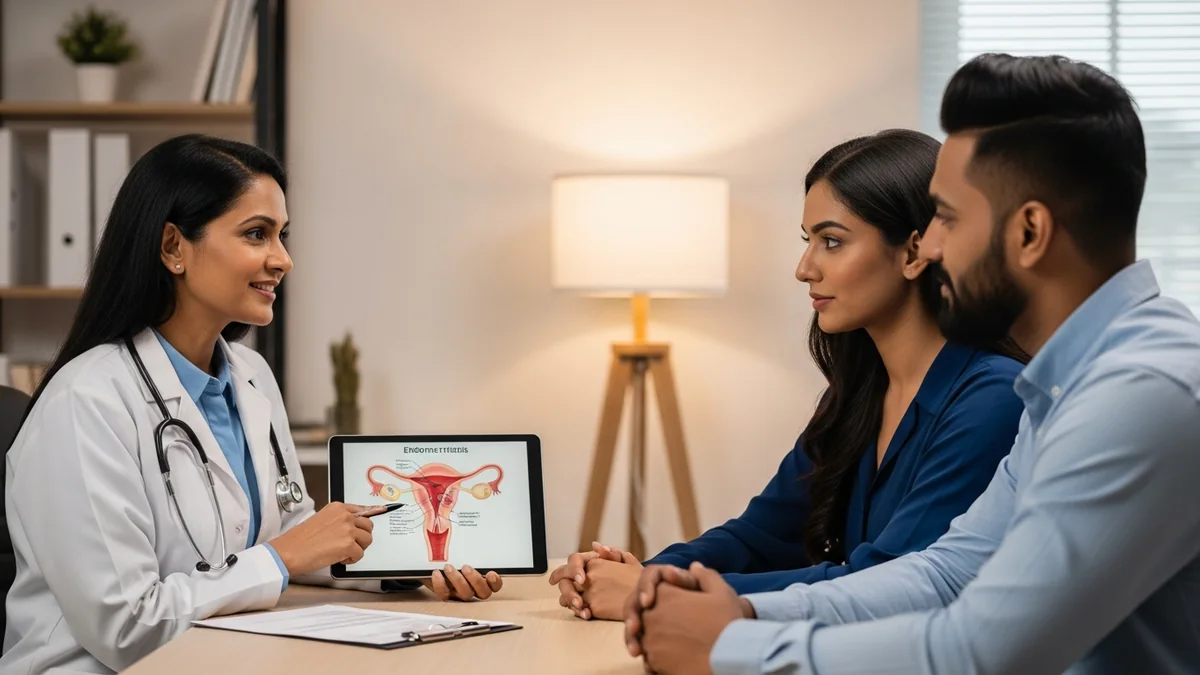
While many cases of painful periods can be managed with over-the-counter remedies and lifestyle changes, there are times when it's essential to seek professional medical help. If you experience any of the warning signs mentioned earlier, or if your pain is severe and interferes with your daily life, it's important to consult a gynaecologist or fertility specialist.
Specifically, if you've been trying to conceive for six months (if you're over 35) or a year (if you're under 35) without success, and you also experience painful periods, it's crucial to seek a fertility evaluation. Underlying conditions like endometriosis can significantly impact fertility, and early diagnosis and treatment can improve your chances of conceiving. Women in Chennai experiencing these issues should not hesitate to seek expert help — painful periods are often investigated through our endometriosis treatment in Chennai pathway. For personalised guidance, book a consultation with Dr. Rukkayal Fathima.

Dr. Rukkayal Fathima
MBBS, MS (OBG), MRCOG (UK), FRM (Kiel University)
Fertility Specialist, Obstetrician, Gynecologist & Laparoscopic Surgeon
Dr. Rukkayal Fathima is one of India's leading Gynaecologists and the best fertility doctor in Chennai. She has 12+ years of experience and treated 3000+ patients. She specialises in IVF, ICSI, TESA/Micro TESE, IUI, Early Pregnancy Scan, Menopause advice, and Gynaecological surgeries. She is a Co-founder & Director of Yaal Fertility and Women's Centre, the Best Fertility Center in Chennai.
Have Questions About Female Fertility?
Every situation is unique. Dr. Rukkayal Fathima provides personalised, evidence-based guidance across multiple locations in Chennai.
Frequently Asked Questions
Not necessarily. While mild to moderate period pain (primary dysmenorrhea) is common and usually doesn't affect fertility, severe pain can sometimes indicate underlying issues like endometriosis or fibroids that may impact your ability to conceive. It's best to get checked if you have concerns.
No, there's no scientific basis to suggest painful periods indicate good fertility. The intensity of menstrual pain doesn't correlate with your fertility status. Painful periods are often due to hormone-like substances called prostaglandins causing uterine contractions.
While managing period pain won't directly improve fertility, addressing underlying conditions causing the pain can. Consult a gynaecologist to rule out issues like endometriosis or fibroids. Lifestyle changes like a balanced diet and exercise can also help manage pain and support overall reproductive health.
A fertility specialist may recommend a pelvic exam, ultrasound, and hormone testing to identify potential issues. If endometriosis is suspected, a laparoscopy (minimally invasive surgery) might be considered. These tests help determine the cause of your painful periods and their impact on your fertility.
The cost of a fertility evaluation in Chennai can vary depending on the tests needed, but you can expect to pay between ₹5,000 to ₹15,000 for initial consultations and basic diagnostic tests. More advanced tests or procedures will add to the overall cost.
Endometriosis is a condition where tissue similar to the uterine lining grows outside the uterus, causing inflammation and scarring. This can disrupt ovulation, block fallopian tubes, and interfere with embryo implantation, leading to fertility problems. Treatment options include medication, surgery, and assisted reproductive technologies like IVF.
If you're experiencing severe, persistent period pain and have been trying to conceive for six months (if you're over 35) or a year (if you're under 35) without success, it's time to consult a fertility specialist. Early evaluation can help identify and address any underlying issues affecting your fertility.
Consult Dr. Rukkayal in Chennai
Available at 4 fertility clinic locations across Chennai. Walk-ins welcome; appointments preferred.
No. 747, Poonamallee High Road, Alagappa Nagar, Kilpauk, Chennai – 600 010
No. 149/1, Luz Church Road, Bhaskarapuram, Mylapore, Chennai – 600 004
No. 95, Plot No. 1, Velachery Main Road, Devi Karumariamman Nagar, Pallikaranai, Chennai – 600 100
Dr. Rukkayal is also a visiting consultant at Apollo Hospital, Motherhood Hospital, Cloud Nine Hospital, MGM Hospital, Metha Hospital and St. Isabel Hospital in Chennai. View all clinic locations