Endometriosis & Fertility: Impact & Options

This article is part of our guide on Female Fertility in Chennai — see the full treatment overview, success rates, and costs.
Endometriosis can significantly impact fertility, making it harder for some women to conceive. As a fertility specialist practising across multiple locations in Chennai, I often encounter patients concerned about how endometriosis might affect their chances of having a baby. This blog post will explore the different stages of endometriosis, its impact on fertility, and the available treatment options to help you understand your choices and make informed decisions.
What Is Endometriosis?
Endometriosis is a condition where tissue similar to the lining of the uterus (endometrium) grows outside the uterus. This tissue can be found on the ovaries, fallopian tubes, bowel, bladder, and other areas in the pelvis. During the menstrual cycle, this misplaced tissue thickens, breaks down, and bleeds, just like the uterine lining. However, because it's outside the uterus, the blood and tissue have no way to exit the body, leading to inflammation, scar tissue formation (adhesions), and pain.
The severity of endometriosis is classified into stages based on the amount, location, and depth of endometrial implants, as well as the presence and extent of adhesions. The American Society for Reproductive Medicine (ASRM) classifies endometriosis into four stages:
- Stage I (Minimal): Few isolated implants and no significant scarring.
- Stage II (Mild): More implants than Stage I, but still superficial and with minimal scarring.
- Stage III (Moderate): Deeper implants and more extensive scarring, possibly involving the ovaries and fallopian tubes.
- Stage IV (Severe): Many deep implants, large endometriomas (chocolate cysts) on the ovaries, and significant scarring, potentially affecting other organs.
It's important to note that the stage of endometriosis doesn't always correlate with the severity of symptoms or the degree of fertility impairment. Some women with Stage I endometriosis may experience severe pain and difficulty conceiving, while others with Stage IV may have minimal symptoms and conceive naturally.
Causes and Risk Factors of Endometriosis
The exact cause of endometriosis is not fully understood, but several theories attempt to explain its development:
- Retrograde Menstruation: This is the most widely accepted theory, suggesting that menstrual blood containing endometrial cells flows backward through the fallopian tubes into the pelvic cavity during menstruation. These cells then implant and grow outside the uterus.
- Immune System Dysfunction: Problems with the immune system may prevent the body from recognizing and destroying misplaced endometrial cells.
- Genetic Predisposition: Endometriosis tends to run in families, suggesting a genetic component. Women with a mother or sister who has endometriosis are more likely to develop the condition themselves.
- Metaplasia: This theory suggests that cells outside the uterus can transform into endometrial-like cells.
Several risk factors can increase a woman's likelihood of developing endometriosis:
- Family History: Having a close relative with endometriosis significantly increases the risk.
- Early Menarche: Starting menstruation at a young age (before age 11) may increase the risk.
- Short Menstrual Cycles: Having menstrual cycles shorter than 27 days may increase the risk.
- Heavy or Prolonged Periods: Experiencing heavy or prolonged menstrual bleeding may increase the risk.
- Never Having Children: Women who have never been pregnant may be at higher risk.
It is crucial to understand that having one or more risk factors doesn't guarantee that you will develop endometriosis. However, being aware of these factors can help you recognize potential symptoms and seek timely medical evaluation.
Signs and Symptoms of Endometriosis and Fertility
While pain is the most common symptom of endometriosis, its impact on fertility can be just as significant. Here's how endometriosis symptoms can affect your ability to conceive:
- Painful Periods (Dysmenorrhea): Severe menstrual pain can disrupt daily life and cause stress, potentially affecting hormonal balance.
- Chronic Pelvic Pain: Persistent pain in the pelvic area can interfere with sexual activity and overall well-being, indirectly impacting fertility.
- Pain During Intercourse (Dyspareunia): Painful sex can lead to decreased frequency of intercourse, reducing the chances of conception.
- Heavy Bleeding (Menorrhagia): Excessive bleeding can lead to anemia and fatigue, affecting overall health and potentially impacting fertility.
- Infertility: Endometriosis can directly affect fertility by distorting pelvic anatomy, causing inflammation, and impairing egg quality and implantation. According to ASRM guidelines, 25-50% of infertile women have endometriosis, and 30-50% of women with endometriosis are infertile.
- Fatigue: Chronic pain and inflammation can lead to fatigue, affecting energy levels and overall quality of life.
- Digestive Issues: Endometriosis affecting the bowel can cause bloating, constipation, diarrhea, and pain during bowel movements.
It's important to recognise that the severity of symptoms doesn't always correlate with the stage of endometriosis. Some women with mild endometriosis may experience debilitating pain, while others with severe endometriosis may have minimal symptoms.
How Endometriosis Is Diagnosed
Diagnosing endometriosis can be challenging, as symptoms can overlap with other conditions. A comprehensive evaluation typically involves:
- Medical History and Physical Exam: I will ask about your menstrual history, symptoms, and any family history of endometriosis. A pelvic exam can help identify any abnormalities or tenderness.
- Pelvic Ultrasound: This imaging technique can help visualize the uterus, ovaries, and fallopian tubes, and may detect endometriomas (chocolate cysts) on the ovaries.
- MRI (Magnetic Resonance Imaging): MRI can provide more detailed images of the pelvic organs and help identify deep infiltrating endometriosis.
- Laparoscopy: This is the gold standard for diagnosing endometriosis. It involves inserting a thin, lighted tube (laparoscope) through a small incision in the abdomen to visualize the pelvic organs and identify endometrial implants. A biopsy can be taken to confirm the diagnosis.
The diagnostic process aims to rule out other potential causes of your symptoms and accurately identify the presence, location, and extent of endometriosis. This information is crucial for developing an individualized treatment plan.
Treatment Options for Endometriosis and Fertility in Chennai
Treatment for endometriosis and fertility focuses on managing pain, improving fertility, and preventing recurrence. The best approach depends on your individual circumstances, including the severity of your symptoms, your age, your desire to have children, and the stage of your endometriosis. Treatment options include:
- Pain Management:
- Pain relievers: Over-the-counter or prescription pain relievers can help manage mild to moderate pain.
- Hormonal therapy: Birth control pills, progestin-only pills, and GnRH agonists can suppress the growth of endometrial tissue and reduce pain. However, these treatments are not suitable for women trying to conceive.
- Surgery:
- Laparoscopy: This minimally invasive surgery can remove endometrial implants, scar tissue, and endometriomas. Surgery can improve pain and may enhance fertility, especially in women with moderate to severe endometriosis. A systematic review and meta-analysis showed that surgical treatment offers significant benefits for spontaneous conception in women with early to moderate endometriosis.
- Hysterectomy: In severe cases, a hysterectomy (removal of the uterus) may be considered, but this is only an option for women who do not wish to have children in the future.
- Assisted Reproductive Technologies (ART):
- Ovulation Induction and IUI (Intrauterine Insemination): Medications are used to stimulate ovulation, and sperm is placed directly into the uterus. This may be an option for women with mild endometriosis and no other fertility issues.
- IVF (In Vitro Fertilisation): IVF involves retrieving eggs from the ovaries, fertilizing them in a lab, and then transferring the resulting embryos into the uterus. IVF can bypass many of the fertility challenges associated with endometriosis and is often the most effective treatment, especially for women with moderate to severe endometriosis or other fertility factors. According to a meta-analysis, endometriosis does not significantly impact live birth, clinical pregnancy, and fertilization rates but is associated with a decreased implantation rate in IVF cycles. As someone who directly oversees the IVF lab at my practice, I can attest to the importance of careful embryo selection and grading to optimize implantation rates.
The following table summarizes common treatment options and their potential impact on fertility:
| Treatment Option | Description | Impact on Fertility |
|---|---|---|
| Pain Relievers | Over-the-counter or prescription medications to manage pain. | No direct impact on fertility; helps manage symptoms that may indirectly affect fertility. |
| Hormonal Therapy | Birth control pills, progestin-only pills, GnRH agonists to suppress endometrial tissue growth. | Not suitable for women trying to conceive; can be used to manage pain before attempting pregnancy. |
| Laparoscopic Surgery | Minimally invasive surgery to remove endometrial implants, scar tissue, and endometriomas. | May improve fertility by restoring pelvic anatomy and function; can enhance chances of natural conception or success with ART. |
| Ovulation Induction/IUI | Medications to stimulate ovulation and direct placement of sperm into the uterus. | May be an option for women with mild endometriosis and no other fertility issues. |
| IVF | Retrieving eggs, fertilizing them in a lab, and transferring embryos to the uterus. | Bypasses many fertility challenges associated with endometriosis; often the most effective treatment for moderate to severe endometriosis or other fertility factors. Success rates in my practice are consistently above 65%, reflecting our comprehensive approach. |
Lifestyle Changes and Prevention
While there is no guaranteed way to prevent endometriosis, certain lifestyle changes may help manage symptoms and potentially reduce the risk:
- Diet: Adopting an anti-inflammatory diet rich in fruits, vegetables, whole grains, and omega-3 fatty acids may help reduce inflammation and pain. Consider limiting red meat, processed foods, and sugary drinks. Research suggests that reducing saturated fat intake by 50% may decrease excess estrogen levels by 20%.
- Exercise: Regular physical activity can help reduce inflammation, improve mood, and manage pain.
- Stress Management: Chronic stress can worsen endometriosis symptoms. Practicing relaxation techniques such as yoga, meditation, or deep breathing can help manage stress.
- Limit Alcohol and Caffeine: Excessive alcohol and caffeine consumption may worsen endometriosis symptoms.
- Consider Vitamin D: High consumption of vitamin D has been associated with a lower risk of developing endometriosis.
These lifestyle changes are not a substitute for medical treatment, but they can complement your treatment plan and improve your overall well-being.
When to See a Fertility Specialist
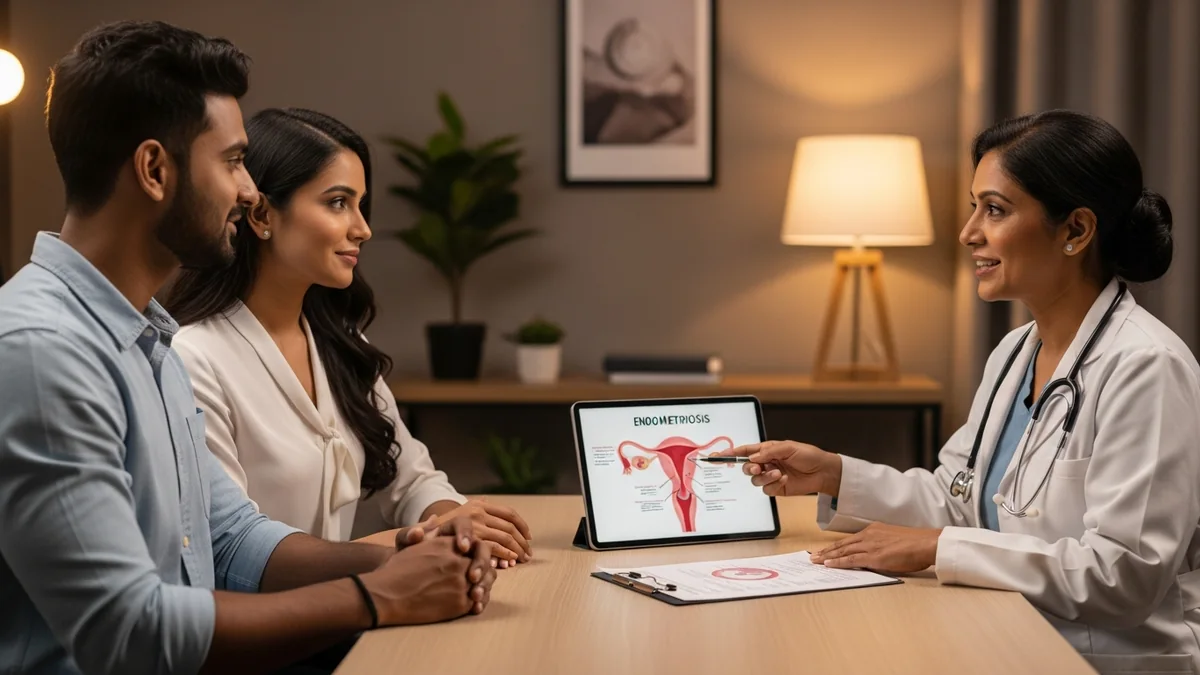
If you are experiencing symptoms of endometriosis and are having difficulty conceiving, it's important to seek professional help from a fertility specialist. Early diagnosis and treatment can improve your chances of conceiving and managing your symptoms. In my clinical experience, patients who seek early intervention often have better outcomes.
Specifically, you should consult a fertility specialist if:
- You have been trying to conceive for 6 months (if you are over 35) or 12 months (if you are under 35) without success.
- You experience severe pelvic pain, painful periods, or pain during intercourse.
- You have a family history of endometriosis.
- You have been diagnosed with endometriosis and are planning to start a family.
Learn more about our endometriosis treatment in Chennai. For personalised guidance, book a consultation with Dr. Rukkayal Fathima.
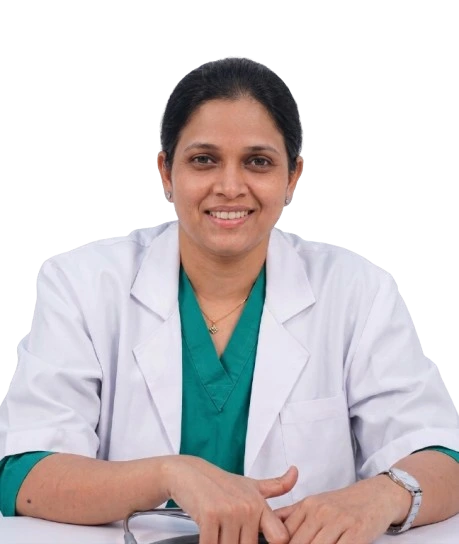
Dr. Rukkayal Fathima
MBBS, MS (OBG), MRCOG (UK), FRM (Kiel University)
Fertility Specialist, Obstetrician, Gynecologist & Laparoscopic Surgeon
Dr. Rukkayal Fathima is one of India's leading Gynaecologists and the best fertility doctor in Chennai. She has 12+ years of experience and treated 3000+ patients. She specialises in IVF, ICSI, TESA/Micro TESE, IUI, Early Pregnancy Scan, Menopause advice, and Gynaecological surgeries. She is a Co-founder & Director of Yaal Fertility and Women's Centre, the Best Fertility Center in Chennai.
Have Questions About Female Fertility?
Every situation is unique. Dr. Rukkayal Fathima provides personalised, evidence-based guidance across multiple locations in Chennai.
Frequently Asked Questions
Endometriosis can impact fertility through several mechanisms, including inflammation, scar tissue formation, distorted pelvic anatomy, and impaired implantation. It can also affect egg quality and the function of the fallopian tubes, making natural conception more challenging. The severity of these effects can vary depending on the stage and location of the endometriosis.
Common symptoms include painful periods (dysmenorrhea), chronic pelvic pain, pain during intercourse (dyspareunia), and heavy bleeding. These symptoms can indirectly affect fertility by causing stress and affecting overall well-being. Endometriosis can also be asymptomatic, making diagnosis challenging without specific fertility investigations.
Treatment options range from pain management to surgical intervention and assisted reproductive technologies (ART). Pain management might involve medications or lifestyle changes. Surgery, typically laparoscopy, can remove endometrial implants and scar tissue. ART, such as IUI or IVF, can bypass some of the fertility challenges posed by endometriosis.
Yes, in many cases. Surgical removal of endometrial implants and scar tissue can restore normal pelvic anatomy and function, potentially improving the chances of natural conception. However, the success of surgery depends on the severity and location of the endometriosis, as well as other individual factors. ASRM guidelines state that conservative surgery with laparoscopy is recommended for infertile women with stage III/IV endometriosis.
IVF (In Vitro Fertilisation) can bypass many of the fertility challenges associated with endometriosis. It involves retrieving eggs directly from the ovaries, fertilizing them in a lab, and then transferring the resulting embryos into the uterus. This process bypasses potential issues with ovulation, egg quality, and tubal function that can be affected by endometriosis.
The cost varies widely depending on the type of treatment. Pain management might involve minimal costs, while surgery can range from ₹50,000 to ₹1,50,000 depending on the complexity and hospital. IUI typically costs between ₹10,000 and ₹20,000 per cycle, while IVF can range from ₹1,50,000 to ₹3,00,000 or more, depending on the specific protocols and medications used.
No, it does not. While endometriosis can significantly impact fertility, many women with endometriosis are still able to conceive naturally. The impact on fertility varies depending on the stage and location of the disease, as well as individual factors. However, it's crucial to seek timely diagnosis and appropriate treatment to optimize fertility potential.
Consult Dr. Rukkayal in Chennai
Available at 4 fertility clinic locations across Chennai. Walk-ins welcome; appointments preferred.
No. 747, Poonamallee High Road, Alagappa Nagar, Kilpauk, Chennai – 600 010
No. 149/1, Luz Church Road, Bhaskarapuram, Mylapore, Chennai – 600 004
No. 95, Plot No. 1, Velachery Main Road, Devi Karumariamman Nagar, Pallikaranai, Chennai – 600 100
Dr. Rukkayal is also a visiting consultant at Apollo Hospital, Motherhood Hospital, Cloud Nine Hospital, MGM Hospital, Metha Hospital and St. Isabel Hospital in Chennai. View all clinic locations