Fibroid Treatment Without Surgery
This article is part of our guide on gynecology-care in Chennai — see the full treatment overview, success rates, and costs.
Uterine fibroids can often be managed without resorting to surgery. Several non-surgical options are available in Chennai, ranging from medication and minimally invasive procedures to lifestyle adjustments. These approaches aim to alleviate symptoms like heavy bleeding and pelvic pain, and in some cases, even shrink the fibroids themselves. As a fertility specialist in Chennai, I understand the concerns women have about fibroids and their impact on their reproductive health. Let's explore these options in detail.
What Are Uterine Fibroids and Why Consider Non-Surgical Treatment?
Uterine fibroids, also known as leiomyomas, are non-cancerous growths that develop in the uterus. They are very common, affecting up to 70-80% of women by the age of 50. While some women with fibroids experience no symptoms, others may suffer from heavy menstrual bleeding, pelvic pain, frequent urination, and even infertility.
The decision to pursue treatment, surgical or non-surgical, depends on several factors, including:
- Symptom severity: Mild symptoms may only require monitoring.
- Fibroid size and location: Larger fibroids or those located in specific areas (e.g., submucosal fibroids) may need more aggressive treatment.
- Age and reproductive goals: Women who wish to preserve their fertility may prefer non-surgical options.
- Overall health: Underlying medical conditions can influence treatment choices.
Many women prefer non-surgical treatment options because they are less invasive, have shorter recovery times, and can preserve the uterus. In my clinical experience, many patients are concerned about the potential impact of surgery on their fertility and seek alternatives that allow them to conceive naturally or through assisted reproductive technologies.
Non-Surgical Treatment Options for Fibroids in Chennai
Several non-surgical approaches are available for managing uterine fibroids. These options aim to control symptoms, shrink fibroids, or both. Here's an overview of the most common treatments offered in Chennai:
Watchful Waiting
For women with small fibroids that cause minimal or no symptoms, "watchful waiting" may be recommended. This involves regular monitoring through pelvic exams and ultrasounds to track the growth of the fibroids. If symptoms worsen, or the fibroids increase in size, further intervention may be necessary. It is important to note that, according to ASRM, there is insufficient evidence to conclude that myomas reduce the likelihood of achieving pregnancy with or without fertility treatment. However, submucosal myomas can affect implantation and should be monitored.
Medical Management: Hormonal Medications
Hormonal medications can help manage symptoms like heavy bleeding and pelvic pain. They work by regulating estrogen and progesterone levels, which can influence fibroid growth. Common options include:
- Gonadotropin-Releasing Hormone (GnRH) Agonists: These medications, such as leuprolide, suppress estrogen production, leading to a temporary menopausal state. This can shrink fibroids and reduce bleeding. However, GnRH agonists can cause side effects like hot flashes, vaginal dryness, and bone loss, and are typically used for a limited time (3-6 months).
- Gonadotropin-Releasing Hormone (GnRH) Antagonists: Newer medications like linzagolix offer a similar effect to GnRH agonists but may have fewer side effects, especially when combined with add-back therapy (low-dose estrogen and progestin). NICE (National Institute for Health and Care Excellence) recommends linzagolix for the long-term treatment (at least six months) of moderate to severe fibroid symptoms. Clinical trials have shown it effectively reduces bleeding and shrinks fibroids.
- Levonorgestrel-Releasing Intrauterine System (LNG-IUS): This IUD releases progestin directly into the uterus, which can help reduce heavy bleeding. NICE suggests considering an LNG-IUS for fibroids smaller than 3 cm without uterine cavity distortion.
- Selective Progesterone Receptor Modulators (SPRMs): Medications like ulipristal acetate (UPA) can shrink fibroids and control bleeding. However, UPA is not available in all countries due to potential liver issues.
Uterine Artery Embolization (UAE) / Uterine Fibroid Embolization (UFE)
UAE is a minimally invasive procedure that blocks the blood supply to the fibroids, causing them to shrink. A radiologist inserts a catheter into an artery in the groin and guides it to the uterine arteries. Small particles are then injected to block the blood flow to the fibroids.
- Effectiveness: UAE is highly effective, with success rates of 80-90% in reducing fibroid size and alleviating symptoms. A retrospective cohort study found that UAE had fewer post-procedure complications than myomectomy, including a lower rate of blood transfusions (1.1% vs. 2.9%).
- Recovery: Recovery time is typically shorter than with surgery, with most women returning to normal activities within 1-2 weeks.
- Fertility: While UAE can preserve the uterus, it may affect fertility in some women. It's crucial to discuss the potential risks and benefits with your fertility specialist.
- Cost: The cost of fibroid embolisation in Chennai typically ranges from ₹60,000 to ₹1,20,000.
MRI-Guided Focused Ultrasound (HIFU)
HIFU is a non-invasive procedure that uses high-intensity ultrasound waves to heat and destroy fibroid tissue. The procedure is guided by magnetic resonance imaging (MRI) to precisely target the fibroids while sparing surrounding tissues.
- Effectiveness: HIFU can effectively reduce fibroid size and alleviate symptoms. A systematic review and meta-analysis indicated that HIFU is a safe and effective method for treating uterine fibroids, with fewer complications and shorter hospital stays.
- Recovery: Recovery time is typically short, with most women returning to normal activities within a few days.
- Fertility: HIFU is generally considered a fertility-sparing option, but it's important to discuss the potential risks and benefits with your fertility specialist.
Comparing Non-Surgical Fibroid Treatment Options
Here's a table comparing the different non-surgical treatment options for fibroids:
| Treatment | Mechanism | Shrinkage (%) | Recovery Time | Fertility Impact |
|---|---|---|---|---|
| Watchful Waiting | Monitoring fibroid growth and symptoms | 0% | None | None |
| GnRH Agonists | Suppresses estrogen production, inducing temporary menopause | Up to 50% | None | Temporary infertility; discuss long-term effects with your doctor |
| GnRH Antagonists (Linzagolix) | Blocks GnRH receptors, reducing estrogen production | Significant | None | May have less impact on fertility than GnRH agonists |
| LNG-IUS | Releases progestin into the uterus, reducing heavy bleeding | Minimal | None | Generally does not affect fertility |
| UAE/UFE | Blocks blood supply to fibroids | 60-90% | 1-2 weeks | Potential impact on fertility; discuss risks with your doctor |
| HIFU | Uses focused ultrasound waves to destroy fibroid tissue | 30-60% | Few days | Generally fertility-sparing, but discuss risks with your doctor |
Note: Shrinkage percentages are approximate and can vary depending on individual factors.
Lifestyle Changes and Dietary Considerations
While not a primary treatment, certain lifestyle changes and dietary modifications may help manage fibroid symptoms and potentially reduce the risk of fibroid growth.
- Diet: A diet rich in fiber, vegetables, and fruits may help regulate hormones and metabolism. Some studies suggest that green tea extract (EGCG) at a dosage of 800mg (45% EGCG) daily may help reduce fibroid volume. Other beneficial foods include those rich in Vitamin D, potassium, curcumin, resveratrol and omega-3 fatty acids.
- Exercise: Regular exercise can help maintain a healthy weight and reduce estrogen levels.
- Stress Management: Chronic stress can affect hormone balance, so practicing stress-reducing techniques like yoga or meditation may be beneficial.
It is important to note that these lifestyle changes should be considered complementary to medical treatment, not a replacement for it.
When Is Surgery Necessary?
While many women can successfully manage fibroids without surgery, there are certain situations where surgery may be the best option:
- Large Fibroids: Very large fibroids causing significant symptoms may require surgical removal.
- Rapid Growth: Rapidly growing fibroids may raise concerns about cancer (though fibroids are almost always benign).
- Failed Non-Surgical Treatment: If non-surgical treatments are ineffective in controlling symptoms, surgery may be considered.
- Desire for Definitive Treatment: Some women prefer surgery for a more definitive solution.
Surgical options include myomectomy (removal of fibroids while preserving the uterus) and hysterectomy (removal of the uterus). Myomectomy can be performed via laparoscopy or hysteroscopy, depending on the size and location of the fibroids.
Seeking Gynaecological Care
It's essential to consult a gynaecologist if you experience symptoms suggestive of uterine fibroids, such as heavy menstrual bleeding, pelvic pain, or frequent urination. A thorough evaluation, including a pelvic exam and imaging tests like ultrasound or MRI, can help diagnose fibroids and determine the best course of treatment. For gynaecological care, you can consult with a specialist in Chennai.
When to See a Fertility Specialist
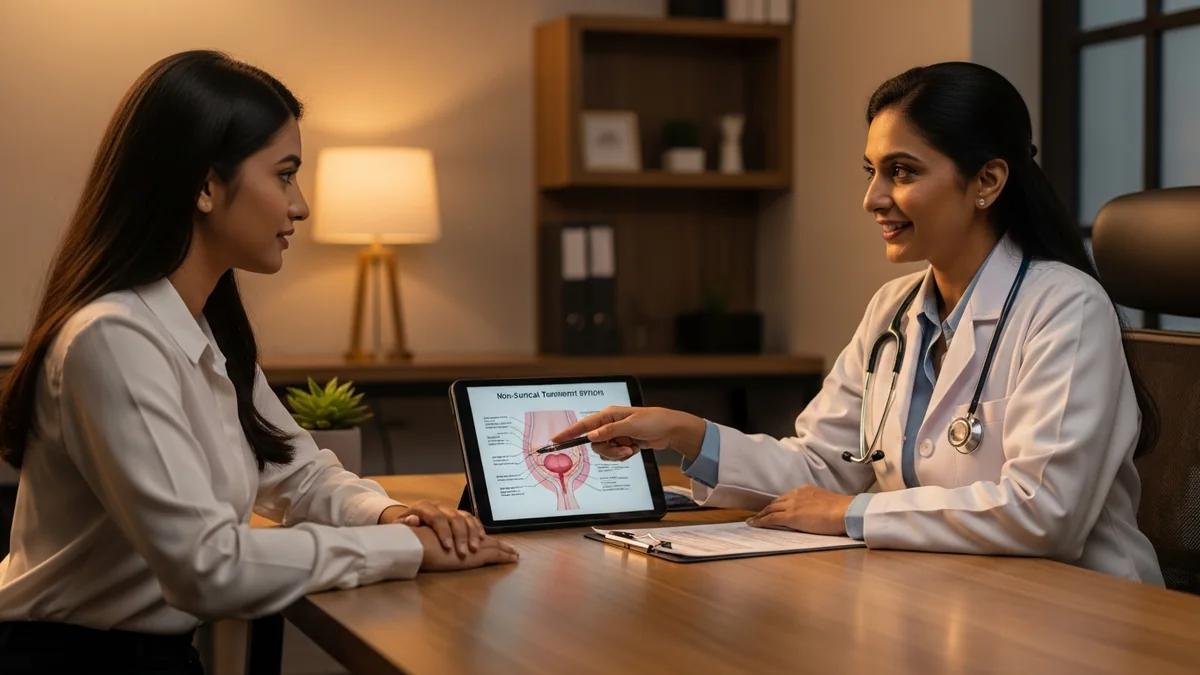
If you are experiencing infertility and suspect that fibroids may be a contributing factor, it's crucial to consult a fertility specialist. Fibroids, particularly submucosal fibroids, can interfere with implantation and increase the risk of miscarriage. A fertility specialist can assess the impact of fibroids on your fertility and recommend appropriate treatment options, such as medical management, minimally invasive procedures, or IVF. When surgery is needed, fibroids are removed via laparoscopy. For personalised guidance, book a consultation with Dr. Rukkayal Fathima.
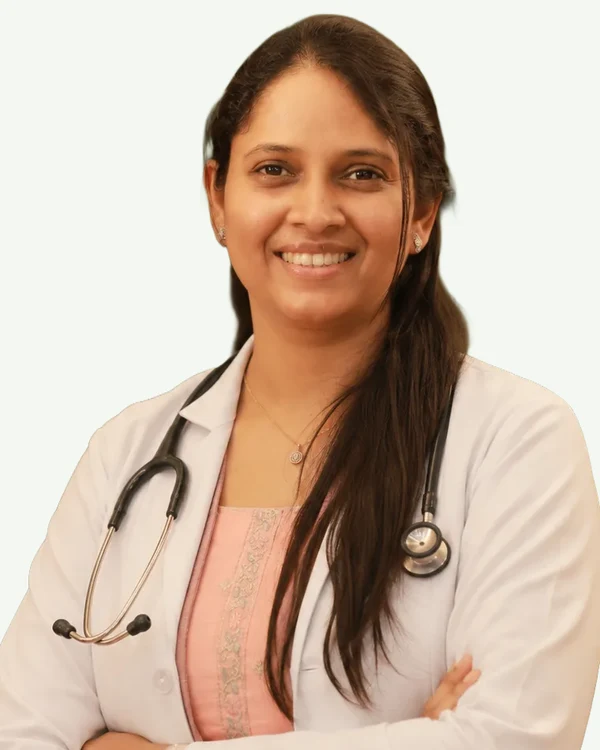
Dr. Rukkayal Fathima
MBBS, MS (OBG), MRCOG (UK), FRM (Kiel University)
Fertility Specialist, Obstetrician, Gynecologist & Laparoscopic Surgeon
Dr. Rukkayal Fathima is a fertility specialist, obstetrician and gynaecologist in Chennai. She has 15+ years of experience and treated 3000+ patients. She specialises in IVF, ICSI, TESA/Micro TESE, IUI, Early Pregnancy Scan, Menopause advice, and Gynaecological surgeries. She is the Founder & Director of Yaal Fertility and Women's Centre, which runs 7 fertility centres across Chennai.
Have Questions About gynecology-care?
Every situation is unique. Dr. Rukkayal Fathima provides personalised, evidence-based guidance across multiple locations in Chennai.
Frequently Asked Questions
Yes, fibroids can sometimes shrink without surgery, particularly after menopause due to decreased estrogen levels. Certain medications like GnRH agonists can also temporarily shrink fibroids. Lifestyle modifications, such as diet and exercise, may help manage symptoms and potentially reduce fibroid size over time.
Non-surgical treatments include watchful waiting for mild cases, hormonal medications like GnRH agonists or antagonists to shrink fibroids and manage bleeding, uterine artery embolization (UAE) to cut off blood supply, and MRI-guided focused ultrasound (HIFU) to destroy fibroid tissue. Each option has its benefits and risks.
UAE is a highly effective non-surgical treatment, with success rates of 80-90% in reducing fibroid size and alleviating symptoms like heavy bleeding and pelvic pain. It involves blocking the arteries that supply blood to the fibroids, causing them to shrink and die. It is a uterus-sparing procedure.
GnRH agonists can cause temporary menopausal symptoms like hot flashes, vaginal dryness, and bone loss. GnRH antagonists, like linzagolix, may have fewer side effects, especially when combined with add-back therapy. Other medications may cause nausea, headaches, or changes in menstrual cycles. Discuss potential side effects with your doctor.
The cost of fibroid embolisation in Chennai typically ranges from ₹60,000 to ₹1,20,000. This is an approximate range — your actual cost will depend on the specific hospital, the complexity of your case, and any additional procedures required. A detailed estimate is provided after your initial consultation.
Fibroids can sometimes affect fertility depending on their size and location. Submucosal fibroids, in particular, can impact implantation. Non-surgical treatments like UAE or medication can help shrink fibroids and improve fertility outcomes. However, discuss the potential impact on fertility with your specialist before proceeding with any treatment.
Some studies suggest that certain dietary changes and supplements, such as green tea extract (EGCG), vitamin D, and a high-fiber diet, may help manage fibroid symptoms and potentially reduce fibroid size. However, more research is needed, and these remedies should not replace medical treatment. Always consult your doctor.
Consult Dr. Rukkayal at Yaal Fertility, Chennai
Dr. Rukkayal is the Founder & Director of Yaal Fertility and Women's Centre and consults at all 7 Yaal centres. Walk-ins welcome; appointments preferred.
Full hospital · IVF lab & ICU
No. 747, Poonamallee High Road, Alagappa Nagar, Kilpauk, Chennai – 600 010
Theatre & recovery
First Floor, Kumar Towers, Bus Depot, Opp. Padianallur, PT Murthy Nagar, Padiyanallur, Red Hills, Chennai – 600 052
IVF lab & theatre
2nd Floor, Dr. Mehta's Global Campus, No. 50, Poonamallee High Road, Velappanchavadi, Thiruverkadu, Chennai – 600 077
Consultation & andrology lab
No. 149/1, Luz Church Road, Bhaskarapuram, Mylapore, Chennai – 600 004
IVF lab & theatre
Second Floor, No. 1, 3rd Street, Malaviya Avenue, Thiruvanmiyur, Chennai – 600 041
Consultation & andrology lab
No. 95, Plot No. 1, Velachery Main Road, Devi Karumariamman Nagar, Pallikaranai, Chennai – 600 100
Consultation & andrology lab
3/5, Kannan Nagar 3rd Main Road, Vigneshwar Nagar, Madipakkam, Chennai – 600 091
Book any centre on the Yaal line, +91 75500 06704. Compare all Yaal centres