PCOS & Fertility in Chennai: Causes & Treatment

This article is part of our guide on PCOS Treatment in Chennai — see the full treatment overview, success rates, and costs.
Polycystic ovary syndrome (PCOS) is a common hormonal disorder affecting women of reproductive age, and it's a leading cause of infertility. If you're struggling to conceive and have been diagnosed with PCOS, you're not alone. Many women in Chennai and around the world face this challenge, and effective treatment options are available.
What Is PCOS?
PCOS is a complex endocrine disorder characterised by hormonal imbalances, particularly elevated androgens (male hormones) and insulin resistance. In my clinical experience, PCOS presents differently in each patient. Some women experience severe symptoms, while others have only mild manifestations. The Rotterdam criteria are commonly used for diagnosis, requiring at least two of the following three features:
- Irregular or absent periods (oligo-ovulation or anovulation): This is often the most noticeable symptom, with cycles longer than 35 days or fewer than eight periods per year.
- Clinical or biochemical signs of hyperandrogenism: This includes symptoms like hirsutism (excessive hair growth on the face, chest, or back), acne, and alopecia (hair loss). Blood tests can confirm elevated androgen levels.
- Polycystic ovaries on ultrasound: This refers to the presence of 12 or more follicles (small sacs containing eggs) in each ovary, or an increased ovarian volume. It’s important to note that not all women with PCOS have polycystic ovaries on ultrasound.
PCOS affects an estimated 6-12% of women of reproductive age globally. In India, studies suggest prevalence rates between 3.7% and 22.5%, depending on the population studied and the diagnostic criteria used. The prevalence may be higher in urban areas like Chennai due to lifestyle factors. The underlying mechanisms of PCOS are not fully understood, but genetic predisposition, environmental factors, and lifestyle choices all play a role. Insulin resistance is a key feature, leading to elevated insulin levels that stimulate androgen production in the ovaries. This hormonal imbalance disrupts normal ovulation and contributes to many of the symptoms associated with PCOS.
Causes and Risk Factors of PCOS
The exact cause of PCOS remains unknown, but several factors are believed to contribute to its development.
- Insulin Resistance: This is a common feature of PCOS, where the body's cells don't respond effectively to insulin, leading to elevated insulin levels. High insulin levels can trigger the ovaries to produce more androgens. In my experience, managing insulin resistance is crucial for improving fertility outcomes in women with PCOS.
- Hormonal Imbalance: Elevated levels of androgens, particularly testosterone, disrupt the normal menstrual cycle and prevent ovulation. Luteinizing hormone (LH) and follicle-stimulating hormone (FSH) imbalances can also contribute to ovulatory dysfunction.
- Genetics: There is a strong genetic component to PCOS, with women who have a mother or sister with the condition being at higher risk. Several genes involved in hormone production and insulin regulation have been linked to PCOS.
- Inflammation: Chronic low-grade inflammation is often present in women with PCOS, potentially contributing to insulin resistance and hormonal imbalances.
- Environmental Factors: Exposure to certain environmental toxins and endocrine disruptors may play a role in the development of PCOS, although more research is needed in this area.
Several risk factors can increase a woman's likelihood of developing PCOS:
- Family History: Having a close relative with PCOS significantly increases the risk.
- Obesity: While not all women with PCOS are overweight, obesity can worsen insulin resistance and exacerbate symptoms.
- Sedentary Lifestyle: Lack of physical activity can contribute to insulin resistance and weight gain.
- Certain Ethnicities: Some ethnic groups, such as South Asian women, may have a higher prevalence of PCOS.
Signs and Symptoms of PCOS
The signs and symptoms of PCOS can vary widely from woman to woman. Some women experience only mild symptoms, while others have more severe manifestations. Common symptoms include:
- Irregular Periods: This is the most common symptom, with cycles that are infrequent, prolonged, or absent altogether.
- Hirsutism: Excessive hair growth on the face, chest, or back.
- Acne: Often severe and persistent, particularly on the face, chest, and back.
- Alopecia: Thinning hair or male-pattern baldness.
- Weight Gain or Difficulty Losing Weight: Women with PCOS often struggle with weight management due to insulin resistance.
- Skin Darkening (Acanthosis Nigricans): Dark patches of skin, often in the armpits, groin, or neck.
- Polycystic Ovaries: As detected on ultrasound, although not all women with PCOS have this feature.
- Infertility: Difficulty conceiving due to irregular or absent ovulation.
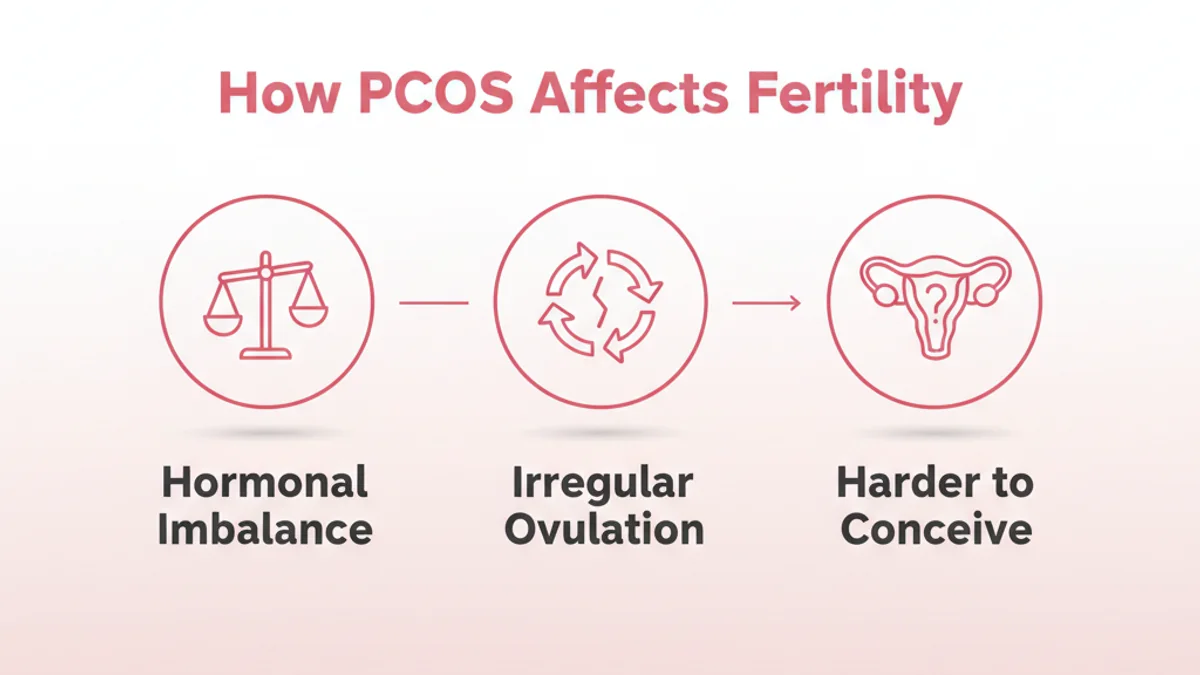
These symptoms arise due to hormonal imbalances. For example, elevated androgens cause hirsutism and acne, while insulin resistance contributes to weight gain and skin darkening. Anovulation prevents regular periods and makes it difficult to get pregnant. It's important to consult a gynaecologist if you experience these symptoms, especially if you are trying to conceive.
How PCOS Is Diagnosed
Diagnosing PCOS typically involves a combination of medical history, physical examination, and laboratory tests. Since symptoms vary, diagnosis can sometimes be delayed. I often see patients who have struggled for years before receiving a proper diagnosis.
- Medical History: Your doctor will ask about your menstrual cycle, symptoms, and family history.
- Physical Examination: This includes checking for signs of hirsutism, acne, and skin darkening.
- Pelvic Examination: To assess the reproductive organs.
- Ultrasound: A pelvic ultrasound can reveal polycystic ovaries, although this is not a requirement for diagnosis.
- Blood Tests: These tests measure hormone levels, including:
- Androgens (Testosterone, DHEAS): To check for elevated levels.
- Luteinizing Hormone (LH) and Follicle-Stimulating Hormone (FSH): To assess hormonal balance.
- Prolactin: To rule out other causes of menstrual irregularities.
- Thyroid-Stimulating Hormone (TSH): To assess thyroid function.
- Glucose and Insulin Levels: To evaluate insulin resistance.
- Lipid Profile: To check cholesterol and triglyceride levels.
The Rotterdam criteria, as mentioned earlier, are widely used to diagnose PCOS. A diagnosis requires the presence of at least two of the following three criteria: irregular periods, clinical or biochemical signs of hyperandrogenism, and polycystic ovaries on ultrasound. Other conditions that can mimic PCOS, such as thyroid disorders and congenital adrenal hyperplasia, should be ruled out.
Treatment Options for PCOS in Chennai
Treatment for PCOS focuses on managing symptoms and addressing specific concerns, such as infertility. Several options are available in Chennai, tailored to individual needs.
-
Lifestyle Modifications: These are often the first-line treatment, particularly for women who are overweight or obese.
- Weight Loss: Even a modest weight loss of 5-10% can significantly improve ovulation rates and reduce symptoms. Studies show that weight loss can lower androgen levels and improve insulin sensitivity.
- Diet: A balanced diet with a low glycemic index (GI) is recommended. Focus on whole grains, lean protein, fruits, and vegetables. Reducing processed foods, sugary drinks, and refined carbohydrates is crucial. Some studies suggest that a ketogenic diet may be beneficial for managing insulin resistance.
- Exercise: Regular physical activity, such as 30 minutes of moderate-intensity exercise most days of the week, can improve insulin sensitivity and promote weight loss.
-
Medications for Ovulation Induction:
- Letrozole: This is often the first-line medication for ovulation induction in women with PCOS. It works by lowering estrogen levels, which stimulates the release of FSH and promotes ovulation.
- Clomiphene Citrate: This medication also stimulates ovulation, but it is often less effective than letrozole in women with PCOS. Clomiphene may be used in combination with metformin.
- Gonadotropins: These injectable medications contain FSH and LH and are used to stimulate ovulation when other treatments are unsuccessful. Gonadotropins carry a higher risk of multiple pregnancies and ovarian hyperstimulation syndrome (OHSS).
-
Medications for Insulin Resistance:
- Metformin: This medication improves insulin sensitivity and can help regulate menstrual cycles and lower androgen levels. Metformin is often used in combination with ovulation-inducing medications. The usual dose is 1500-2500 mg/day.
- Myo-Inositol: This natural supplement may improve insulin sensitivity and oocyte quality.
-
Assisted Reproductive Technologies (ART):
- Intrauterine Insemination (IUI): This involves placing sperm directly into the uterus, increasing the chances of fertilization. IUI is often combined with ovulation-inducing medications.
- In Vitro Fertilization (IVF): This involves retrieving eggs from the ovaries, fertilizing them with sperm in a laboratory, and then transferring the resulting embryos into the uterus. IVF is an option when other treatments fail. GnRH antagonist protocols and individualized low-dose stimulation strategies can minimize OHSS risk. Single embryo transfer is preferred. Studies show that IVF success rates for women with PCOS are generally good, often comparable to or even slightly higher than those without PCOS, especially with careful monitoring.
-
Other Treatments:
- Laparoscopic Ovarian Drilling (LOD): This surgical procedure involves making small holes in the ovaries to reduce androgen production and improve ovulation. LOD may be considered when pharmacotherapy fails.
- Cosmetic Treatments: For managing symptoms like hirsutism and acne, options include laser hair removal, electrolysis, and topical or oral medications.
The choice of treatment depends on various factors, including the severity of symptoms, the woman's age, and her desire to conceive. A personalized treatment plan is essential for achieving the best possible outcomes.
Here’s a comparison of common PCOS infertility treatments:
| Treatment | Mechanism of Action | Success Rate | Cost (INR, approximate) |
|---|---|---|---|
| Letrozole | Aromatase inhibitor that lowers estrogen, stimulating FSH release and ovulation. | Live birth rates slightly higher than clomiphene citrate in some studies. Approximately 20-30% per cycle. | 5,000 - 10,000 per cycle (including monitoring) |
| Clomiphene Citrate | Selective estrogen receptor modulator (SERM) that stimulates FSH and LH release, inducing ovulation. | Approximately 15-20% pregnancy rate per cycle. | 3,000 - 8,000 per cycle (including monitoring) |
| Metformin | Improves insulin sensitivity, lowering androgen levels and improving menstrual regularity. Often used in combination with letrozole or clomiphene. | Can improve ovulation rates when combined with other treatments. | 500 - 2,000 per month |
| IUI | Sperm is directly placed into the uterus, increasing the chances of fertilization. Often combined with ovulation induction. | Pregnancy rates range from 10-20% per cycle, depending on factors like age and sperm quality. | 15,000 - 30,000 per cycle (including medication and monitoring) |
| IVF | Eggs are retrieved, fertilized in a lab, and embryos are transferred to the uterus. | Success rates vary but can be 40-65% per cycle, depending on age, embryo quality, and other factors. Women with PCOS often have good IVF outcomes with careful monitoring. | 150,000 - 250,000+ per cycle (depending on medication and procedures like ICSI, embryo freezing) |
| Laparoscopic Ovarian Drilling | Small holes are made in the ovaries to reduce androgen production and improve ovulation. | Can restore ovulation in some women, but the effects may be temporary. | 50,000 - 80,000 (approximate surgical cost) |
Disclaimer: Costs are approximate and may vary. Success rates depend on individual factors and clinic protocols.
Lifestyle Changes and Prevention
While PCOS cannot be entirely prevented, certain lifestyle changes can significantly reduce the risk and manage symptoms:
- Maintain a Healthy Weight: Obesity is a major risk factor for PCOS. Maintaining a healthy weight through diet and exercise can improve insulin sensitivity and reduce androgen levels.
- Balanced Diet: A diet rich in whole grains, lean protein, fruits, and vegetables can help regulate blood sugar levels and improve insulin sensitivity.
- Regular Exercise: Physical activity can improve insulin sensitivity, promote weight loss, and reduce inflammation. Aim for at least 30 minutes of moderate-intensity exercise most days of the week.
- Manage Stress: Chronic stress can worsen hormonal imbalances. Practicing stress-reduction techniques, such as yoga, meditation, or deep breathing exercises, can be beneficial.
- Avoid Smoking: Smoking can worsen insulin resistance and increase the risk of other health problems associated with PCOS.
Emerging research suggests that specific dietary supplements may also play a role in managing PCOS. Vitamin D deficiency is common in women with PCOS, and supplementation may improve insulin sensitivity and ovulation. Myo-inositol has also shown promise in improving oocyte quality and IVF outcomes. A study published in Nature Medicine (March 2026) found that restricting eating to a 6-hour daily window decreased testosterone levels in women with PCOS without negatively affecting female hormones.

When to See a Fertility Specialist
If you have been diagnosed with PCOS and are struggling to conceive after six months of trying, it's time to seek professional help. A fertility specialist can evaluate your specific situation and recommend the most appropriate treatment options. Patients often ask me about the best time to seek help, and my advice is always: don't delay if you have concerns. Early intervention can improve your chances of success.
A fertility specialist can:
- Conduct a thorough evaluation: To assess your hormonal profile, ovarian function, and overall reproductive health.
- Develop a personalized treatment plan: Tailored to your specific needs and goals.
- Monitor your progress: Closely during treatment to optimize your chances of success.
- Offer advanced treatment options: Such as IUI or IVF, if needed.
Dr. Rukkayal Fathima is a fertility specialist practising across multiple locations in Chennai including Egmore/Chetpet, Mylapore, and Tambaram, with extensive experience in treating PCOS-related infertility. Explore our PCOS treatment in Chennai. For personalised guidance, book a consultation with Dr. Rukkayal Fathima.
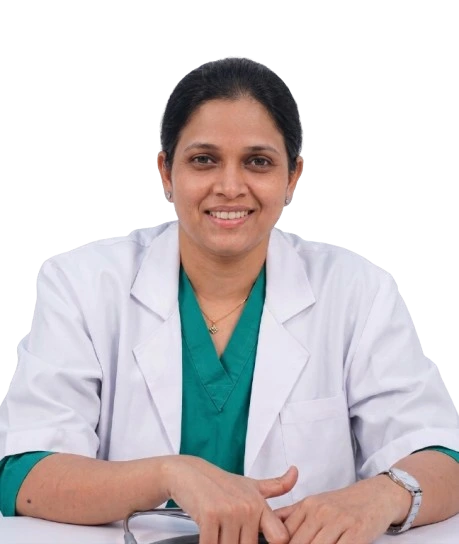
Dr. Rukkayal Fathima
MBBS, MS (OBG), MRCOG (UK), FRM (Kiel University)
Fertility Specialist, Obstetrician, Gynecologist & Laparoscopic Surgeon
Dr. Rukkayal Fathima is one of India's leading Gynaecologists and the best fertility doctor in Chennai. She has 12+ years of experience and treated 3000+ patients. She specialises in IVF, ICSI, TESA/Micro TESE, IUI, Early Pregnancy Scan, Menopause advice, and Gynaecological surgeries. She is a Co-founder & Director of Yaal Fertility and Women's Centre, the Best Fertility Center in Chennai.
Have Questions About PCOS Treatment?
Every situation is unique. Dr. Rukkayal Fathima provides personalised, evidence-based guidance across multiple locations in Chennai.
Frequently Asked Questions
PCOS disrupts hormonal balance, leading to irregular or absent ovulation. High androgen levels can also interfere with egg development and implantation, making it harder to conceive naturally.
Irregular periods, excess facial or body hair (hirsutism), acne, and weight gain are common PCOS symptoms. These hormonal imbalances disrupt ovulation and increase the risk of infertility.
Lifestyle modifications like weight loss (even 5-10% can help), a balanced diet, and regular exercise are often the first steps. Medications like letrozole or clomiphene citrate are commonly used to induce ovulation.
IVF success rates for women with PCOS are generally good, often comparable to or even slightly higher than those without PCOS, especially with careful monitoring and tailored stimulation protocols to minimise the risk of ovarian hyperstimulation syndrome (OHSS).
A low-glycemic index (GI) diet, rich in fiber and lean protein, can help regulate insulin levels and improve hormonal balance. Reducing processed foods, sugary drinks, and refined carbohydrates is crucial for managing PCOS symptoms and boosting fertility.
The cost of PCOS infertility treatment in Chennai varies depending on the chosen approach. Ovulation induction with medication may range from ₹5,000 to ₹15,000 per cycle. IVF treatment can cost between ₹1,50,000 to ₹2,50,000 or more, depending on the specific procedures involved.
Consult Dr. Rukkayal in Chennai
Available at 4 fertility clinic locations across Chennai. Walk-ins welcome; appointments preferred.
No. 747, Poonamallee High Road, Alagappa Nagar, Kilpauk, Chennai – 600 010
No. 149/1, Luz Church Road, Bhaskarapuram, Mylapore, Chennai – 600 004
No. 95, Plot No. 1, Velachery Main Road, Devi Karumariamman Nagar, Pallikaranai, Chennai – 600 100
Dr. Rukkayal is also a visiting consultant at Apollo Hospital, Motherhood Hospital, Cloud Nine Hospital, MGM Hospital, Metha Hospital and St. Isabel Hospital in Chennai. View all clinic locations