Masturbation & PCOS: Is There a Link?

This article is part of our guide on PCOS Treatment in Chennai — see the full treatment overview, success rates, and costs.
It's a common concern: "Does masturbation affect PCOS?" The short answer is no. There is no scientific evidence to suggest that masturbation either causes or worsens Polycystic Ovary Syndrome (PCOS). PCOS is a complex hormonal disorder, and understanding its causes and management requires accurate information. In this article, I'll address the myths surrounding masturbation and PCOS, providing clarity and guidance for women in Chennai and beyond.
What Is PCOS?
Polycystic Ovary Syndrome (PCOS) is a prevalent hormonal disorder affecting women of reproductive age. It is characterised by a combination of symptoms, including irregular periods, excess androgens (male hormones), and/or polycystic ovaries (enlarged ovaries with multiple small follicles). The exact cause of PCOS is not fully understood, but it is believed to involve a combination of genetic and environmental factors. Insulin resistance often plays a significant role, where the body's cells do not respond effectively to insulin, leading to higher insulin levels. This excess insulin can then trigger the ovaries to produce more androgens, disrupting the normal hormonal balance.
PCOS is more than just a reproductive issue; it can also impact metabolic health, increasing the risk of type 2 diabetes, heart disease, and sleep apnea. The hormonal imbalances can lead to a range of symptoms, including acne, hirsutism (excess hair growth), and weight gain, all of which can significantly affect a woman's self-esteem and quality of life. As a fertility specialist practicing across multiple locations in Chennai, including Mylapore and Tambaram, I often see patients who are concerned about the impact of PCOS on their overall health and fertility. Effective management of PCOS requires a comprehensive approach that addresses both the hormonal and metabolic aspects of the condition.
Causes and Risk Factors of PCOS
The exact cause of PCOS remains elusive, but a combination of genetic predisposition and environmental factors is believed to contribute to its development. Insulin resistance is a key player, affecting a significant proportion of women with PCOS. When the body becomes resistant to insulin, it leads to elevated insulin levels in the bloodstream. This excess insulin stimulates the ovaries to produce more androgens, such as testosterone, leading to hormonal imbalances. These elevated androgen levels can disrupt the normal menstrual cycle, leading to irregular periods or even the absence of menstruation.
Genetics also play a crucial role. Women with a family history of PCOS are more likely to develop the condition themselves, suggesting a hereditary component. Environmental factors, such as diet and lifestyle, can also influence the development and severity of PCOS. Obesity, particularly abdominal obesity, can exacerbate insulin resistance and worsen PCOS symptoms. Studies have shown that women with PCOS often have higher levels of chronic low-grade inflammation, which can further contribute to insulin resistance and hormonal imbalances. While masturbation is a normal and healthy sexual behavior, it is not considered a risk factor for PCOS. The focus remains on genetic predispositions, insulin resistance, and lifestyle factors.
Signs and Symptoms of PCOS
PCOS presents with a wide array of symptoms, making diagnosis challenging. Irregular menstrual cycles are a hallmark sign, with periods that are infrequent, prolonged, or absent altogether. Many women experience oligomenorrhea (infrequent periods) or amenorrhea (absence of periods). Elevated androgen levels can manifest as hirsutism (excess hair growth on the face, chest, or back), acne, and male-pattern baldness. These symptoms can be distressing and significantly impact a woman's self-esteem.
Polycystic ovaries, identified through ultrasound, are another diagnostic criterion. However, it's important to note that not all women with PCOS have polycystic ovaries, and some women without PCOS may have polycystic-appearing ovaries. Weight gain, particularly around the abdomen, is a common symptom, often linked to insulin resistance. Fertility problems are frequently encountered, as irregular ovulation makes it difficult to conceive. Other symptoms can include skin tags, dark patches of skin (acanthosis nigricans), and mood changes, such as anxiety and depression. The severity and presentation of symptoms can vary significantly from woman to woman, highlighting the need for individualized diagnosis and treatment plans. I’ve seen cases across my Chennai practice where patients only present with mild acne, while others struggle with multiple severe symptoms.
How PCOS Is Diagnosed
Diagnosing PCOS involves a combination of clinical evaluation, blood tests, and imaging studies. A thorough medical history is crucial, including details about menstrual cycles, symptoms of hyperandrogenism (excess androgens), and any family history of PCOS. Blood tests are performed to measure hormone levels, including androgens (such as testosterone and DHEAS), luteinizing hormone (LH), follicle-stimulating hormone (FSH), and insulin levels. These tests help to assess hormonal imbalances and insulin resistance.
An ultrasound of the ovaries is typically performed to look for polycystic ovaries, which are characterized by the presence of multiple small follicles. However, as mentioned earlier, the absence of polycystic ovaries does not rule out a diagnosis of PCOS. According to the Rotterdam criteria, a diagnosis of PCOS can be made if a woman has at least two of the following three criteria: irregular periods, signs of hyperandrogenism (clinical or biochemical), and polycystic ovaries on ultrasound. Other conditions that can mimic PCOS, such as thyroid disorders and congenital adrenal hyperplasia, need to be ruled out through additional testing. It is essential to consult with a fertility specialist or endocrinologist for accurate diagnosis and personalized management.
Treatment Options for PCOS in Chennai
Managing PCOS requires a multifaceted approach tailored to the individual's specific symptoms and goals. Lifestyle modifications, such as diet and exercise, are often the first line of treatment. A balanced diet with a focus on whole foods, lean protein, and healthy fats can help improve insulin sensitivity and promote weight loss. Regular physical activity, including both aerobic exercise and strength training, can further enhance insulin sensitivity and improve overall health.
Medications may be prescribed to address specific symptoms. Oral contraceptives can help regulate menstrual cycles and reduce androgen levels, improving acne and hirsutism. Metformin, a medication commonly used to treat type 2 diabetes, can improve insulin sensitivity and lower androgen levels. Anti-androgen medications, such as spironolactone, can block the effects of androgens, reducing hirsutism and acne. For women trying to conceive, ovulation induction medications, such as clomiphene citrate or letrozole, can stimulate ovulation. In some cases, in vitro fertilization (IVF) may be recommended. Weight loss surgery is a consideration for women with severe obesity and PCOS who have not responded to other treatments. As a fertility specialist in Chennai, I work closely with my patients to develop personalized treatment plans that address their unique needs and concerns.
Lifestyle Changes and Prevention
While there is no definitive way to prevent PCOS, adopting a healthy lifestyle can significantly reduce the risk and severity of symptoms. Maintaining a healthy weight is crucial, as obesity exacerbates insulin resistance and worsens PCOS symptoms. A balanced diet that is low in processed foods, sugary drinks, and unhealthy fats can help improve insulin sensitivity and promote weight loss. Regular physical activity, including at least 150 minutes of moderate-intensity exercise per week, is recommended.
Managing stress is also important, as chronic stress can disrupt hormonal balance. Stress-reduction techniques, such as yoga, meditation, and deep breathing exercises, can be beneficial. Getting enough sleep is essential for overall health and hormonal regulation. Aim for 7-8 hours of quality sleep per night. Avoiding smoking and excessive alcohol consumption can further reduce the risk of PCOS and improve overall health. Early diagnosis and management of PCOS are key to preventing long-term complications, such as type 2 diabetes and heart disease.
Here's a comparison table highlighting the impact of various lifestyle factors on PCOS:
| Lifestyle Factor | Impact on PCOS | Specific Recommendations |
|---|---|---|
| Diet | Influences insulin resistance, weight, and hormonal balance | Focus on whole foods, lean protein, healthy fats, limit processed foods and sugary drinks |
| Exercise | Improves insulin sensitivity, promotes weight loss, reduces inflammation | Aim for 150 minutes of moderate-intensity exercise per week, including both aerobic and strength training |
| Weight Management | Reduces insulin resistance, improves hormonal balance | Maintain a healthy BMI through diet and exercise |
| Stress Management | Reduces cortisol levels, improves hormonal balance | Practice yoga, meditation, deep breathing exercises |
| Sleep | Regulates hormones, improves overall health | Aim for 7-8 hours of quality sleep per night |
| Smoking & Alcohol | Worsens insulin resistance, increases risk of complications | Avoid smoking and limit alcohol consumption |
When to See a Fertility Specialist
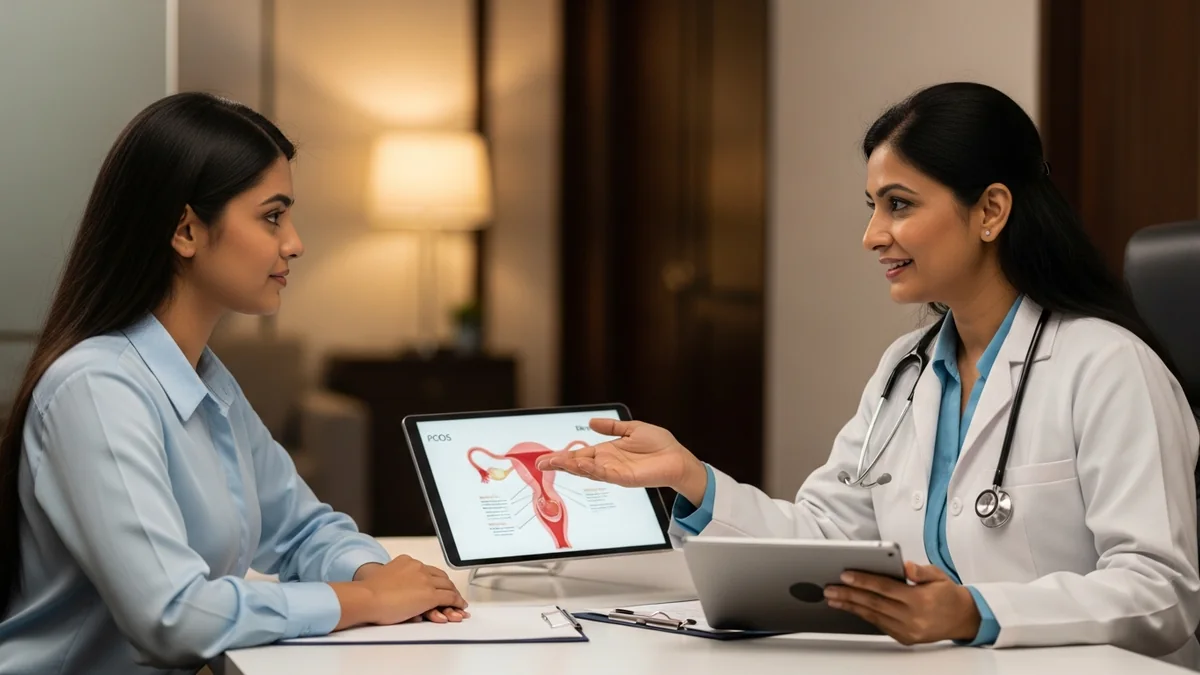
If you are experiencing symptoms of PCOS, such as irregular periods, hirsutism, acne, or difficulty conceiving, it is important to seek medical advice. A fertility specialist can perform a thorough evaluation, diagnose PCOS accurately, and develop a personalized treatment plan. Early diagnosis and management can help prevent long-term complications and improve fertility outcomes. Women who are trying to conceive and have PCOS should consult with a fertility specialist for guidance on ovulation induction and other fertility treatments. Given my 12+ years of experience across hospitals in Chennai, I've developed a comprehensive approach to addressing PCOS-related fertility challenges.
If you have been diagnosed with PCOS and are not responding to initial treatments, such as lifestyle modifications and oral contraceptives, a fertility specialist can offer more advanced treatment options. Women with PCOS are also at increased risk of other health problems, such as type 2 diabetes, heart disease, and sleep apnea, so it is important to have regular medical check-ups. If you are concerned about the impact of PCOS on your health or fertility, learn about our PCOS treatment in Chennai or book a consultation with Dr. Rukkayal Fathima.

Dr. Rukkayal Fathima
MBBS, MS (OBG), MRCOG (UK), FRM (Kiel University)
Fertility Specialist, Obstetrician, Gynecologist & Laparoscopic Surgeon
Dr. Rukkayal Fathima is one of India's leading Gynaecologists and the best fertility doctor in Chennai. She has 12+ years of experience and treated 3000+ patients. She specialises in IVF, ICSI, TESA/Micro TESE, IUI, Early Pregnancy Scan, Menopause advice, and Gynaecological surgeries. She is a Co-founder & Director of Yaal Fertility and Women's Centre, the Best Fertility Center in Chennai.
Have Questions About PCOS Treatment?
Every situation is unique. Dr. Rukkayal Fathima provides personalised, evidence-based guidance across multiple locations in Chennai.
Frequently Asked Questions
No, masturbation does not cause PCOS. PCOS is a complex endocrine disorder with hormonal imbalances, ovulation irregularities, and metabolic disturbances. There is no scientific evidence linking masturbation to the development of PCOS.
Masturbation does not negatively impact the hormonal imbalances associated with PCOS. PCOS is characterized by hormonal imbalances such as elevated androgen levels and insulin resistance, which are unrelated to masturbation habits.
Masturbation is not harmful for females with PCOS. It is a normal and healthy sexual behavior. Some studies suggest that women with PCOS may experience sexual dysfunction, but masturbation itself is not a contributing factor.
Masturbation does not negatively impact fertility in individuals with PCOS. Improving fertility outcomes in individuals with PCOS typically involves addressing underlying factors such as ovulation irregularities, insulin resistance, and hormonal imbalances.
Yes, girls can masturbate during their periods, even if they have PCOS. Masturbation is a safe and normal activity. Menstruation and PCOS do not create any contraindications to masturbation.
Women with PCOS may experience sexual dysfunction, including issues with arousal, lubrication, orgasm, and pain. These challenges can impact overall sexual satisfaction. However, these are related to hormonal and metabolic aspects of PCOS, not masturbation.
Consult Dr. Rukkayal in Chennai
Available at 4 fertility clinic locations across Chennai. Walk-ins welcome; appointments preferred.
No. 747, Poonamallee High Road, Alagappa Nagar, Kilpauk, Chennai – 600 010
No. 149/1, Luz Church Road, Bhaskarapuram, Mylapore, Chennai – 600 004
No. 95, Plot No. 1, Velachery Main Road, Devi Karumariamman Nagar, Pallikaranai, Chennai – 600 100
Dr. Rukkayal is also a visiting consultant at Apollo Hospital, Motherhood Hospital, Cloud Nine Hospital, MGM Hospital, Metha Hospital and St. Isabel Hospital in Chennai. View all clinic locations