PCOD vs PCOS: Key Differences & Treatment
This article is part of our guide on PCOS Treatment in Chennai — see the full treatment overview, success rates, and costs.
Many women in Chennai searching for information about irregular periods and fertility challenges come across the terms PCOD and PCOS. You might be wondering, "What exactly is the difference between PCOD vs PCOS?" While the terms are often used interchangeably, especially in India, understanding the nuances can help you better manage your reproductive health. In short, PCOD can be considered a milder form of PCOS, but both require attention and, in many cases, medical management.
What Is PCOD and PCOS?
Polycystic Ovarian Disease (PCOD) and Polycystic Ovary Syndrome (PCOS) are conditions affecting a woman's ovaries, the reproductive organs that produce eggs and hormones like estrogen and progesterone. Both conditions are characterized by the presence of multiple small cysts on the ovaries. However, PCOS is a more complex hormonal disorder with broader metabolic implications.
PCOD, sometimes considered the older, less precise term used in India, primarily refers to the presence of these cysts. Women with PCOD may experience irregular periods, but often have less severe hormonal imbalances compared to those with PCOS. PCOS, on the other hand, is diagnosed based on the Rotterdam criteria, which requires the presence of at least two of the following three features: irregular periods (oligo- or amenorrhea), clinical or biochemical signs of high androgen levels (hyperandrogenism), and polycystic ovaries on ultrasound, after excluding other possible causes. According to the Rotterdam criteria, PCOS affects an estimated 10-13% of reproductive-aged women globally.
The key difference lies in the severity and range of symptoms. PCOS often involves significant hormonal imbalances, insulin resistance, and an increased risk of long-term health problems such as type 2 diabetes and cardiovascular disease. PCOD, while still impacting reproductive health, may not always present with the same level of metabolic disturbance. Regardless, if you suspect you have either condition, seeking evaluation by a fertility specialist in Chennai is crucial for proper diagnosis and management.
Causes and Risk Factors of PCOD and PCOS
While the exact causes of both PCOD and PCOS aren't fully understood, several factors are known to contribute to their development. These include genetic predisposition, hormonal imbalances, and lifestyle factors.
Genetic Predisposition: Research suggests that both PCOD and PCOS have a genetic component. If you have a family history of either condition, you may be at a higher risk of developing it yourself. Emerging research even suggests that PCOS is a broader metabolic and reproductive disorder affecting both men and women in the family, with manifestations detectable as early as childhood.
Hormonal Imbalances: A key feature of both conditions is an imbalance in hormones, particularly an excess of androgens (male hormones) like testosterone. This hormonal imbalance can disrupt the normal development and release of eggs from the ovaries, leading to irregular periods and the formation of cysts. According to clinical studies, increased GnRH pulse frequency raises LH levels, stimulating ovarian follicles to produce more androgens, further exacerbating the hormonal imbalance.
Insulin Resistance: Insulin resistance, where the body's cells don't respond effectively to insulin, is commonly associated with PCOS. This leads to higher insulin levels in the blood, which can further stimulate androgen production in the ovaries. Insulin resistance raises blood sugar and insulin levels, lowering sex hormone-binding globulin (SHBG), which further elevates testosterone levels. Insulin also enhances the effect of LH on androgen production. Managing insulin resistance through diet and exercise is therefore a crucial aspect of PCOS management.
Lifestyle Factors: Lifestyle factors such as diet and exercise play a significant role. A diet high in processed foods and refined carbohydrates can contribute to insulin resistance and weight gain, both of which can worsen symptoms of PCOD and PCOS. Lack of physical activity can also exacerbate these issues. Therefore, adopting a healthy lifestyle is often the first line of defense in managing these conditions.
Signs and Symptoms
The signs and symptoms of PCOD and PCOS can vary from woman to woman, and some women may experience more severe symptoms than others. Common symptoms include:
- Irregular Menstrual Periods: This is one of the most common symptoms, with periods that are infrequent, prolonged, or absent altogether.
- Excess Hair Growth (Hirsutism): Increased androgen levels can lead to excess hair growth on the face, chest, and back.
- Acne: Hormonal imbalances can also contribute to acne breakouts, often resistant to conventional treatments.
- Weight Gain or Difficulty Losing Weight: Insulin resistance can make it harder to maintain a healthy weight.
- Infertility: Irregular ovulation or lack of ovulation can make it difficult to conceive.
- Ovarian Cysts: Multiple small cysts on the ovaries can be detected during an ultrasound.
- Skin Darkening (Acanthosis Nigricans): Dark patches of skin may appear in the armpits, groin, or neck folds, often associated with insulin resistance.
- Hair Thinning (Alopecia): Male-pattern baldness can occur due to high androgen levels.
It's important to note that not all women with PCOD or PCOS will experience all of these symptoms. Some may have only a few mild symptoms, while others may have a more severe presentation. If you are experiencing any of these symptoms, it's essential to consult with a fertility specialist in Chennai for proper evaluation and diagnosis. Many patients in Chennai are concerned about these symptoms and seek expert advice.
How PCOD and PCOS Are Diagnosed
Diagnosing PCOD and PCOS involves a comprehensive evaluation, including a review of your medical history, a physical exam, and diagnostic tests. The diagnostic process typically includes the following:
- Medical History: Your doctor will ask about your menstrual cycle patterns, symptoms, and family history of PCOD or PCOS.
- Physical Exam: A physical exam may include checking for signs of excess hair growth, acne, and skin darkening.
- Pelvic Exam: A pelvic exam helps assess the size and shape of your ovaries and uterus.
- Ultrasound: An ultrasound of the ovaries can reveal the presence of multiple cysts, a characteristic feature of both conditions.
- Blood Tests: Blood tests are crucial for measuring hormone levels, including testosterone, follicle-stimulating hormone (FSH), luteinizing hormone (LH), and insulin. These tests help assess hormonal imbalances and insulin resistance.
To diagnose PCOS, doctors often use the Rotterdam criteria, which requires the presence of at least two of the following three features:
- Irregular Periods: Infrequent or absent menstrual cycles.
- Hyperandrogenism: Clinical signs (e.g., hirsutism, acne) or biochemical evidence (e.g., elevated testosterone levels) of high androgen levels.
- Polycystic Ovaries: The presence of multiple cysts on the ovaries, as seen on an ultrasound.
It's important to exclude other possible conditions that can cause similar symptoms, such as thyroid disorders or congenital adrenal hyperplasia. A proper diagnosis is crucial for developing an effective treatment plan.
Treatment Options for PCOD and PCOS in Chennai
The treatment for PCOD and PCOS in Chennai is tailored to your specific symptoms, health goals, and preferences. Treatment options typically include lifestyle modifications, medications, and fertility treatments, if desired.
Lifestyle Modifications: Lifestyle changes are often the first line of treatment for both conditions. These include:
- Weight Management: Losing even a small amount of weight (5-10% of body weight) can significantly improve insulin resistance, hormone levels, and menstrual cycle regularity.
- Diet: A balanced diet low in refined carbohydrates and processed foods is recommended. Focus on whole grains, lean proteins, healthy fats, and plenty of fruits and vegetables. The goal is to manage insulin levels and promote weight loss.
- Exercise: Regular physical activity helps regulate menstrual cycles, improve insulin sensitivity, and promote weight loss. Aim for at least 150 minutes of moderate-intensity exercise per week.
Medications: Medications may be prescribed to manage specific symptoms:
- Birth Control Pills: Oral contraceptives can help regulate menstrual cycles and reduce androgen levels, alleviating symptoms like acne and hirsutism.
- Metformin: This medication improves insulin sensitivity and can help regulate menstrual cycles and lower androgen levels. Metformin is particularly useful for women with PCOS who have insulin resistance.
- Anti-Androgens: Medications like spironolactone can block the effects of androgens, reducing symptoms like hirsutism and acne.
- Ovulation Induction Medications: For women trying to conceive, medications like clomiphene citrate or letrozole can stimulate ovulation. Letrozole is often the first-line option for ovulation induction. Clomiphene, metformin (alone), and gonadotropins are occasionally used.
Fertility Treatments: If lifestyle changes and medications are not successful in achieving pregnancy, fertility treatments may be considered:
- Intrauterine Insemination (IUI): IUI involves placing sperm directly into the uterus, increasing the chances of fertilization.
- In Vitro Fertilization (IVF): IVF involves fertilizing eggs with sperm in a laboratory and then transferring the resulting embryos into the uterus. IVF is often recommended for women with PCOS who haven't responded to other treatments or who have additional fertility issues.
It's important to work closely with your fertility specialist in Chennai to determine the best treatment plan for your individual needs.
Here's a comparison table summarizing the key differences and similarities:
| Feature | PCOD | PCOS |
|---|---|---|
| Definition | Presence of cysts on the ovaries | Hormonal disorder with metabolic implications |
| Diagnostic Criteria | No strict criteria | Rotterdam criteria: irregular periods, hyperandrogenism, polycystic ovaries |
| Hormonal Imbalance | May be less severe | Often more pronounced |
| Insulin Resistance | Less common | More common |
| Metabolic Risks | Lower risk | Higher risk of type 2 diabetes, cardiovascular disease |
| Severity | Generally milder | Can be more severe |
| Prevalence | Data less clearly defined | Affects 10-13% of reproductive-aged women globally |
Lifestyle Changes and Prevention
While there is no guaranteed way to prevent PCOD or PCOS, adopting a healthy lifestyle can significantly reduce your risk and manage symptoms:
- Maintain a Healthy Weight: Achieving and maintaining a healthy weight can improve insulin sensitivity and hormone balance.
- Eat a Balanced Diet: Focus on whole foods, lean proteins, healthy fats, and plenty of fruits and vegetables. Limit refined carbohydrates, processed foods, and sugary drinks.
- Exercise Regularly: Aim for at least 150 minutes of moderate-intensity exercise per week.
- Manage Stress: Chronic stress can worsen hormonal imbalances. Practice stress-reducing activities like yoga, meditation, or spending time in nature.
- Get Enough Sleep: Aim for 7-8 hours of quality sleep per night.
- Consider Supplements: Some supplements, like inositol, magnesium, and vitamin D, may help improve insulin sensitivity and hormone balance. However, it's essential to talk to your doctor before starting any new supplements. Magnesium supplementation (250 mg/day of magnesium oxide for 2 months) can reduce FINS, HOMA-IR, TC, LDL, and FBG concentrations, while simultaneously increasing HDL levels in PCOS patients.
By adopting these lifestyle changes, you can take proactive steps to manage your reproductive health and reduce the impact of PCOD or PCOS.

When to See a Fertility Specialist
If you are experiencing symptoms of PCOD or PCOS, such as irregular periods, excess hair growth, acne, or difficulty conceiving, it's important to seek medical advice. A fertility specialist can provide an accurate diagnosis, recommend appropriate treatment options, and help you manage your symptoms effectively.
Specifically, consult a specialist if:
- You have been trying to conceive for six months to a year without success.
- You have irregular periods or are not ovulating regularly.
- You have severe symptoms like hirsutism or acne that are not responding to conventional treatments.
- You have a family history of PCOD or PCOS.
- You are concerned about the long-term health risks associated with these conditions.
Learn more about our PCOS treatment in Chennai. For personalised guidance, book a consultation with Dr. Rukkayal Fathima.
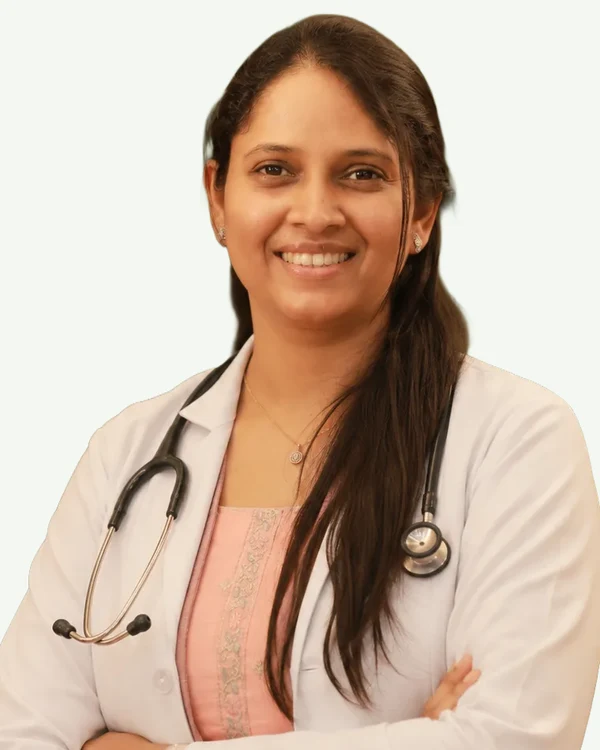
Dr. Rukkayal Fathima
MBBS, MS (OBG), MRCOG (UK), FRM (Kiel University)
Fertility Specialist, Obstetrician, Gynecologist & Laparoscopic Surgeon
Dr. Rukkayal Fathima is a fertility specialist, obstetrician and gynaecologist in Chennai. She has 15+ years of experience and treated 3000+ patients. She specialises in IVF, ICSI, TESA/Micro TESE, IUI, Early Pregnancy Scan, Menopause advice, and Gynaecological surgeries. She is the Founder & Director of Yaal Fertility and Women's Centre, which runs 7 fertility centres across Chennai.
Have Questions About PCOS Treatment?
Every situation is unique. Dr. Rukkayal Fathima provides personalised, evidence-based guidance across multiple locations in Chennai.
Frequently Asked Questions
The terms are often used interchangeably, but PCOS (Polycystic Ovary Syndrome) is a more severe hormonal disorder with wider metabolic implications than PCOD (Polycystic Ovarian Disease). PCOS diagnosis requires specific criteria, while PCOD is a general description of polycystic ovaries.
PCOD, by definition, doesn't 'turn into' PCOS as they are related but distinct conditions. However, if a woman with PCOD develops additional symptoms like irregular periods, high androgen levels, and insulin resistance, she would then meet the diagnostic criteria for PCOS. Regular monitoring and early lifestyle changes can help manage symptoms effectively.
PCOS can increase the risk of type 2 diabetes, heart disease, sleep apnea, and endometrial cancer if left unmanaged. Women with PCOS may also experience mental health challenges including anxiety and depression. It's crucial to manage PCOS with lifestyle changes, medication, and regular check-ups with a specialist to mitigate these long-term risks.
Treatment options range from lifestyle modifications like diet and exercise to medications such as birth control pills, metformin, and anti-androgens. For women trying to conceive, fertility treatments like ovulation induction, IUI, or IVF may be recommended. The best approach depends on your specific symptoms, fertility goals, and overall health profile. Consult a specialist for a personalised plan.
Yes, PCOS is a leading cause of infertility in women. Irregular ovulation or complete lack of ovulation makes it difficult to conceive naturally. However, with appropriate treatment like ovulation induction, IUI, or IVF, many women with PCOS can successfully get pregnant. Early diagnosis and management significantly improve the chances of conception.
A balanced diet low in refined carbohydrates and processed foods is recommended for managing PCOS. Focus on whole grains, lean proteins, healthy fats, and plenty of fruits and vegetables. Including anti-inflammatory foods and maintaining regular meal timing helps manage insulin resistance and weight, which in turn improves hormonal balance and PCOS symptoms.
PCOS is diagnosed based on the Rotterdam criteria, which include irregular periods, high androgen levels (clinical or biochemical), and polycystic ovaries on ultrasound, after excluding other possible conditions like thyroid disorders or adrenal hyperplasia. At least two of these three criteria must be met. Blood tests for hormones and an ultrasound scan are typically part of the evaluation.
Consult Dr. Rukkayal at Yaal Fertility, Chennai
Dr. Rukkayal is the Founder & Director of Yaal Fertility and Women's Centre and consults at all 7 Yaal centres. Walk-ins welcome; appointments preferred.
Full hospital · IVF lab & ICU
No. 747, Poonamallee High Road, Alagappa Nagar, Kilpauk, Chennai – 600 010
Theatre & recovery
First Floor, Kumar Towers, Bus Depot, Opp. Padianallur, PT Murthy Nagar, Padiyanallur, Red Hills, Chennai – 600 052
IVF lab & theatre
2nd Floor, Dr. Mehta's Global Campus, No. 50, Poonamallee High Road, Velappanchavadi, Thiruverkadu, Chennai – 600 077
Consultation & andrology lab
No. 149/1, Luz Church Road, Bhaskarapuram, Mylapore, Chennai – 600 004
IVF lab & theatre
Second Floor, No. 1, 3rd Street, Malaviya Avenue, Thiruvanmiyur, Chennai – 600 041
Consultation & andrology lab
No. 95, Plot No. 1, Velachery Main Road, Devi Karumariamman Nagar, Pallikaranai, Chennai – 600 100
Consultation & andrology lab
3/5, Kannan Nagar 3rd Main Road, Vigneshwar Nagar, Madipakkam, Chennai – 600 091
Book any centre on the Yaal line, +91 75500 06704. Compare all Yaal centres