PCOS Diet for Fertility: What to Eat & Avoid

This article is part of our guide on PCOS Treatment in Chennai — see the full treatment overview, success rates, and costs.
Polycystic Ovary Syndrome (PCOS) is a common hormonal disorder affecting women of reproductive age, and it's a leading cause of infertility. A well-planned PCOS diet for fertility is crucial for managing the condition, improving insulin sensitivity, and boosting your chances of getting pregnant, especially here in Chennai. This guide explains what to eat and avoid to optimize your fertility.
The Link Between Diet and Fertility in PCOS
PCOS is characterized by hormonal imbalances, insulin resistance, and inflammation. These factors can disrupt ovulation, affect egg quality, and increase the risk of miscarriage. Diet plays a significant role in managing these underlying issues. In my clinical experience treating women with PCOS across Chennai, I've seen firsthand how dietary changes can significantly improve their fertility outcomes.
Insulin resistance, a key feature of PCOS, occurs when the body's cells don't respond effectively to insulin, leading to elevated blood sugar levels. This triggers the pancreas to produce more insulin, which can then stimulate the ovaries to produce excess androgens (male hormones) like testosterone. High androgen levels disrupt the normal development and release of eggs, leading to irregular periods and ovulation problems. A meta-analysis of 20 RCTs showed that dietary interventions significantly improved fertility outcomes by regulating these hormones.
Diet can directly impact insulin sensitivity, inflammation, and hormonal balance. By choosing the right foods and avoiding the wrong ones, women with PCOS can improve their metabolic health, regulate their menstrual cycles, and enhance their fertility potential. Even a modest weight loss of 5-10% can significantly improve ovulation rates and increase the chances of conception. Patients often ask me about the best approach, and the answer is always a personalized one that considers their individual health profile and lifestyle.
Key Nutrients and Foods for Fertility in PCOS
Focusing on specific nutrients and incorporating certain foods into your diet can significantly improve your fertility if you have PCOS. Here are some key nutrients and foods to prioritize:
- Complex Carbohydrates: Choose low-glycemic index (GI) carbohydrates like whole grains (brown rice, quinoa, oats), legumes (beans, lentils), and non-starchy vegetables. These foods release glucose slowly, preventing blood sugar spikes and improving insulin sensitivity.
- Lean Protein: Include sources like chicken, fish, turkey, tofu, and beans. Protein helps stabilize blood sugar levels and supports hormone production.
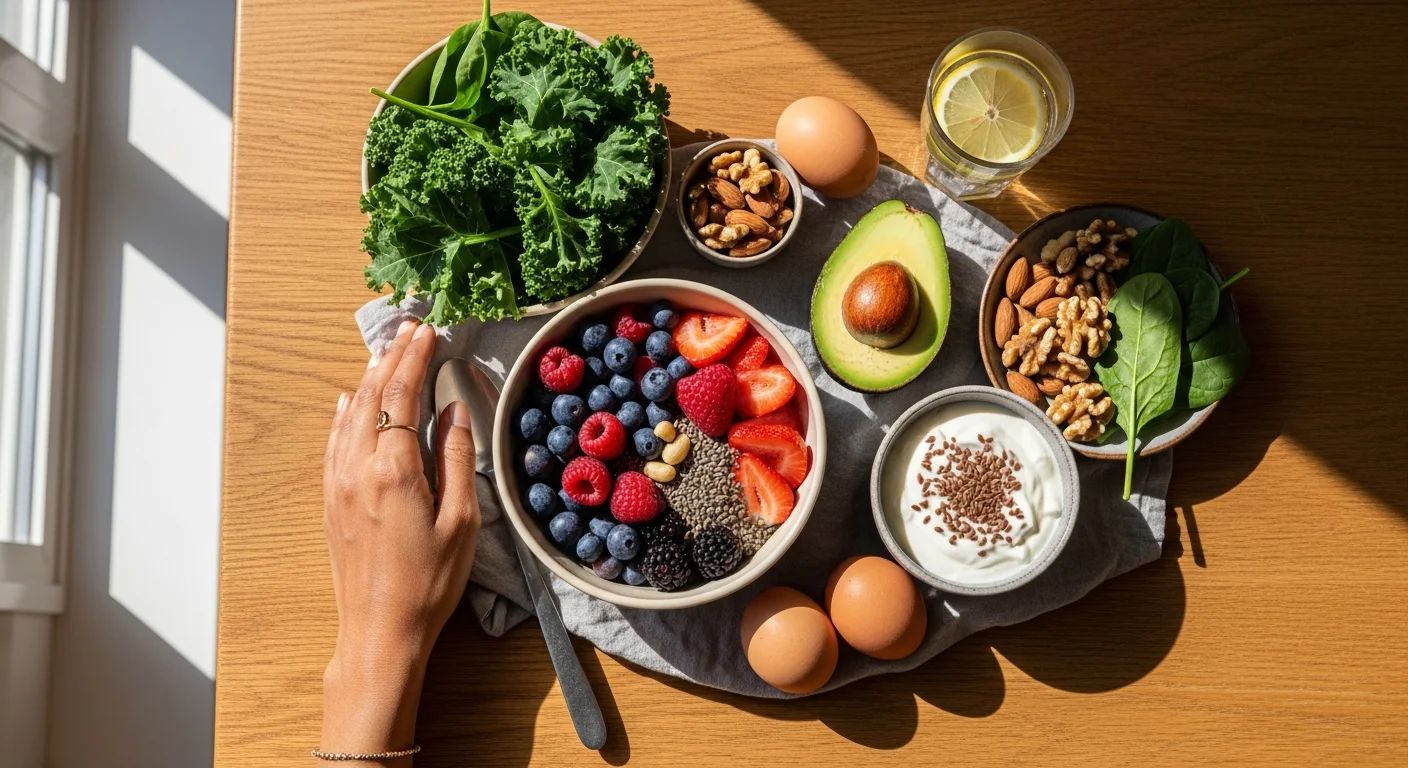
- Healthy Fats: Focus on monounsaturated and polyunsaturated fats found in avocados, nuts, seeds, olive oil, and fatty fish (salmon, mackerel). These fats are essential for hormone production and overall health. Omega-3 fatty acids, in particular, have been shown to reduce inflammation and improve insulin sensitivity.
- Fiber: High-fiber foods like fruits, vegetables, and whole grains help regulate blood sugar levels and promote satiety, which can aid in weight management.
- Inositol: This vitamin-like substance has been shown to improve insulin sensitivity, menstrual regularity, and ovulation. Myo-inositol and D-chiro-inositol are two common forms. A combination of MI + DCI (2,200 mg + 55 mg, 40:1 ratio) along with folic acid (400 μg) daily for 3 months significantly decreased BMI, HOMA-IR, insulin, TT, FT, and LH, while elevating levels of SHBG and estradiol.
- Vitamin D: Many women with PCOS are deficient in vitamin D. Supplementation can improve insulin sensitivity and menstrual regularity.
- Anti-Inflammatory Foods: Incorporate foods like berries, leafy greens, turmeric, ginger, and fatty fish, which have anti-inflammatory properties.
Best Foods for PCOS and Getting Pregnant (with Comparison Table)
Choosing the right foods can make a significant difference in managing PCOS and improving your chances of getting pregnant. Here's a comparison of some of the best food choices and their benefits:
| Food Group | Best Choices | Benefits |
|---|---|---|
| Carbohydrates | Quinoa, brown rice, oats, sweet potatoes | Lower glycemic index, prevent blood sugar spikes, provide sustained energy |
| Protein | Chicken, fish, turkey, tofu, lentils | Stabilize blood sugar, support hormone production, promote satiety |
| Fats | Avocados, nuts, seeds, olive oil, salmon | Essential for hormone production, reduce inflammation, improve insulin sensitivity |
| Fruits | Berries, apples, pears | High in fiber and antioxidants, help regulate blood sugar, reduce inflammation |
| Vegetables | Leafy greens, broccoli, cauliflower | Rich in vitamins, minerals, and fiber, promote overall health, support hormone balance |
| Dairy (if tolerated) | Greek yogurt, kefir | Probiotics support gut health, calcium for bone health (choose full-fat options if tolerated for better satiety) |
| Supplements | Inositol, Vitamin D, Omega-3s | Improve insulin sensitivity, reduce inflammation, support hormone balance (consult with a healthcare professional before starting supplements) |
As a fertility specialist practicing in Chennai, I often recommend incorporating these foods into daily meals. Remember, individual needs vary, so consulting with a registered dietitian is always a good idea to create a personalized plan.
How Key Nutrients Impact Fertility Parameters — The Evidence
Specific nutrients play a crucial role in improving various fertility parameters in women with PCOS, backed by scientific evidence. Understanding these impacts can help you make informed dietary choices:
- Inositol: Studies have shown that inositol improves insulin sensitivity, which is crucial for women with PCOS. By improving insulin function, inositol can help regulate menstrual cycles and improve ovulation rates.
- Omega-3 Fatty Acids: These fats have anti-inflammatory properties and can improve insulin sensitivity. Clinical trials have found that omega-3 fats from fish oil can reduce inflammation and improve markers of glucose and lipid metabolism.
- Vitamin D: Adequate vitamin D levels are associated with improved fertility outcomes. Vitamin D supplementation has been shown to improve insulin sensitivity, menstrual regularity, and fertility outcomes.
- N-Acetylcysteine (NAC): This antioxidant has been shown to improve insulin sensitivity and support improved fertility when combined with ovulation-inducing medications. A dosage of 1,800 mg NAC per day led to greater reductions in unwanted hair growth and fasting glucose levels.
- Fiber: High-fiber diets help regulate blood sugar levels and promote satiety, aiding in weight management. Improved blood sugar control and weight management can positively impact hormone balance and ovulation.
- Folic Acid: Daily supplementation with 1 mg or 5 mg of folic acid for 2 months significantly lowered serum levels of hs-CRP, IL-18, and TNF-α and insulin, while improving the HOMA-IR.
Practical Tips and Daily Recommendations for a PCOS Diet
Implementing a PCOS-friendly diet doesn't have to be overwhelming. Here are some practical tips and daily recommendations to help you get started:
- Plan Your Meals: Planning your meals ahead of time can help you make healthier choices and avoid impulsive eating.
- Read Food Labels: Pay attention to the sugar content, serving sizes, and ingredients in packaged foods.
- Cook at Home: Cooking at home allows you to control the ingredients and portion sizes.
- Eat Regular Meals: Aim for three balanced meals and 1-2 snacks per day to keep your blood sugar levels stable.
- Choose Whole, Unprocessed Foods: Focus on whole, unprocessed foods like fruits, vegetables, whole grains, lean protein, and healthy fats.
- Stay Hydrated: Drink plenty of water throughout the day.
- Portion Control: Be mindful of your portion sizes to avoid overeating.
- Include Protein with Every Meal: Protein helps stabilize blood sugar levels and promotes satiety.
- Limit Sugary Drinks: Avoid sugary drinks like soda, juice, and sweetened beverages.
- Consider Supplements: Talk to your doctor about whether supplements like inositol, vitamin D, or omega-3 fatty acids may be beneficial for you.
Foods and Habits to Avoid with PCOS for Fertility
Certain foods and habits can worsen insulin resistance, inflammation, and hormonal imbalances, negatively impacting fertility in women with PCOS. Avoiding or limiting these can significantly improve your chances of conceiving.
- Sugary Foods and Drinks: These can cause rapid spikes in blood sugar levels, exacerbating insulin resistance.
- Refined Carbohydrates: White bread, pasta, and pastries are quickly digested, leading to blood sugar fluctuations.
- Processed Foods: These often contain high amounts of sugar, unhealthy fats, and sodium, which can contribute to inflammation and insulin resistance.
- Unhealthy Fats: Saturated and trans fats found in fried foods, processed snacks, and fatty meats can worsen insulin resistance and increase inflammation.
- Excessive Caffeine: High caffeine intake may negatively impact hormone balance and fertility.
- Alcohol: Alcohol can disrupt hormone balance and interfere with fertility.
- Smoking: Smoking has been linked to decreased fertility and increased risk of miscarriage.
- Sedentary Lifestyle: Lack of physical activity can worsen insulin resistance and contribute to weight gain.
Beyond Diet: A Holistic Approach to PCOS and Fertility
While diet is a cornerstone of PCOS management and fertility, a holistic approach that encompasses other lifestyle factors is essential for optimal outcomes.
- Regular Exercise: Aim for at least 30 minutes of moderate-intensity exercise most days of the week. Exercise improves insulin sensitivity, promotes weight loss, and reduces stress.
- Stress Management: Chronic stress can worsen PCOS symptoms. Practice stress-reducing techniques like yoga, meditation, or deep breathing exercises.
- Adequate Sleep: Aim for 7-8 hours of quality sleep per night. Sleep deprivation can disrupt hormone balance and worsen insulin resistance.
- Weight Management: Even a modest weight loss of 5-10% can significantly improve ovulation rates and increase the chances of conception.
- Monitor Your Cycle: Keep track of your menstrual cycles and ovulation patterns. This can help you identify any irregularities and time intercourse for optimal conception chances.
- Support System: Surround yourself with supportive friends, family, or a support group. Dealing with PCOS can be emotionally challenging, and having a strong support system can make a big difference.

When to Seek Professional Help for PCOS and Fertility
While dietary and lifestyle changes can significantly improve PCOS and fertility, sometimes professional medical intervention is necessary. Consider seeking help from a fertility specialist if:
- You have been trying to conceive for 12 months (if you're under 35) or 6 months (if you're over 35) without success.
- You have irregular or absent periods.
- You experience symptoms of hyperandrogenism, such as excessive hair growth or acne.
- You have been diagnosed with PCOS and are concerned about your fertility.
- You have other underlying medical conditions that may be affecting your fertility.
A fertility specialist can conduct a thorough evaluation, diagnose any underlying issues, and recommend appropriate treatment options, such as ovulation induction, IUI (intrauterine insemination), or IVF (in vitro fertilization). Diet is one part of our broader PCOS treatment in Chennai. For personalised guidance, book a consultation with Dr. Rukkayal Fathima.

Dr. Rukkayal Fathima
MBBS, MS (OBG), MRCOG (UK), FRM (Kiel University)
Fertility Specialist, Obstetrician, Gynecologist & Laparoscopic Surgeon
Dr. Rukkayal Fathima is one of India's leading Gynaecologists and the best fertility doctor in Chennai. She has 12+ years of experience and treated 3000+ patients. She specialises in IVF, ICSI, TESA/Micro TESE, IUI, Early Pregnancy Scan, Menopause advice, and Gynaecological surgeries. She is a Co-founder & Director of Yaal Fertility and Women's Centre, the Best Fertility Center in Chennai.
Have Questions About PCOS Treatment?
Every situation is unique. Dr. Rukkayal Fathima provides personalised, evidence-based guidance across multiple locations in Chennai.
Frequently Asked Questions
A balanced diet focusing on whole foods, lean protein, healthy fats, and low-glycemic carbohydrates is recommended. The DASH diet has also shown promise. Avoiding sugary foods, refined carbs, and processed foods is essential. Consultation with a dietitian is advised for personalized plans.
Limit or avoid sugary drinks, processed foods, refined carbohydrates (white bread, pasta), and excessive amounts of unhealthy fats. These foods can exacerbate insulin resistance and hormonal imbalances, negatively impacting fertility. Opt for whole, unprocessed alternatives.
While diet plays a crucial role in managing PCOS symptoms and improving fertility, it may not be the only factor. A healthy diet combined with regular exercise, stress management, and, if necessary, medical interventions can significantly increase your chances of conceiving.
Insulin resistance, common in PCOS, leads to elevated insulin levels, which can disrupt hormone balance, particularly increasing androgen production. This hormonal imbalance can interfere with ovulation and egg quality, making it harder to conceive. Dietary changes can improve insulin sensitivity.
Yes, several supplements may be beneficial, including inositol, vitamin D, omega-3 fatty acids, and N-acetylcysteine (NAC). These supplements can help improve insulin sensitivity, reduce inflammation, and support hormonal balance. However, it's important to consult with a healthcare professional before starting any new supplement regimen.
While individual results vary, many women experience improvements in menstrual regularity and ovulation within a few months of adopting a PCOS-friendly diet. Consistent adherence to a healthy lifestyle is key. Significant weight loss, even 5-10% of body weight, can restore ovulation.
Consult Dr. Rukkayal in Chennai
Available at 4 fertility clinic locations across Chennai. Walk-ins welcome; appointments preferred.
No. 747, Poonamallee High Road, Alagappa Nagar, Kilpauk, Chennai – 600 010
No. 149/1, Luz Church Road, Bhaskarapuram, Mylapore, Chennai – 600 004
No. 95, Plot No. 1, Velachery Main Road, Devi Karumariamman Nagar, Pallikaranai, Chennai – 600 100
Dr. Rukkayal is also a visiting consultant at Apollo Hospital, Motherhood Hospital, Cloud Nine Hospital, MGM Hospital, Metha Hospital and St. Isabel Hospital in Chennai. View all clinic locations