Pelvic Pain in Women: Causes & Relief
This article is part of our guide on gynecology-care in Chennai — see the full treatment overview, success rates, and costs.
Pelvic pain in women is a common yet complex issue, affecting many aspects of life. If you're experiencing persistent or severe discomfort in your lower abdomen, it's essential to understand the potential causes and seek appropriate medical attention. This guide, from a Chennai-based perspective, explores the common causes of pelvic pain in women, providing insights into when to seek help and what treatment options are available.
Understanding Pelvic Pain — What It Means
Pelvic pain refers to discomfort felt in the lower abdomen, below the belly button and between the hips. It can manifest in various ways, ranging from a dull ache to sharp, stabbing pains. The pain may be constant or intermittent, and its intensity can fluctuate depending on factors like menstrual cycle, physical activity, or specific triggers.
Pelvic pain is considered chronic when it lasts for six months or longer. Chronic pelvic pain affects an estimated 4% to 15% of women. Acute pelvic pain, on the other hand, develops suddenly and may indicate an urgent medical condition. In my clinical experience, many women initially dismiss pelvic pain as "just period pain," delaying crucial diagnosis and treatment. It's important to remember that while some discomfort during menstruation is normal, persistent or severe pain warrants investigation.
Understanding the characteristics of your pelvic pain – its location, intensity, timing, and associated symptoms – is crucial for accurate diagnosis and effective management.
Common Causes of Pelvic Pain
Pelvic pain in women can arise from a multitude of factors, often related to the reproductive system, but also involving the digestive, urinary, or musculoskeletal systems. Identifying the underlying cause is essential for effective treatment. Here are some of the most common gynecological causes:
- Endometriosis: This condition occurs when tissue similar to the lining of the uterus (endometrium) grows outside the uterus, often affecting the ovaries, fallopian tubes, and surrounding tissues. The recurring inflammation linked to endometriosis can sensitize the nervous system, driving chronic pain. Endometriosis affects approximately 10% of women of reproductive age. A study from Washington State University (2026) highlighted that repeated menstrual cycles may rewire the brain, leading to lasting pain in women with endometriosis.
- Ovarian Cysts: These fluid-filled sacs can develop on the ovaries. Most are harmless and resolve on their own, but larger cysts or those that rupture can cause pelvic pain.
- Pelvic Inflammatory Disease (PID): This infection of the female reproductive organs is often caused by sexually transmitted infections (STIs) like chlamydia or gonorrhea. PID can lead to chronic pelvic pain and infertility if left untreated.
- Uterine Fibroids: These noncancerous growths in the uterus can cause pelvic pain, heavy bleeding, and frequent urination. Fibroids are more common in women in their 30s and 40s.
- Adenomyosis: This condition occurs when the endometrial tissue grows into the muscular wall of the uterus, causing pelvic pain, heavy bleeding, and an enlarged uterus.
- Ectopic Pregnancy: This life-threatening condition occurs when a fertilized egg implants outside the uterus, usually in the fallopian tube. It causes severe pelvic pain and vaginal bleeding and requires immediate medical attention.
- Pelvic Floor Dysfunction: Problems with the muscles, ligaments, and connective tissue that support the pelvic organs can cause pain and discomfort.
- Irritable Bowel Syndrome (IBS): This digestive disorder can cause abdominal pain, bloating, and changes in bowel habits, which may be perceived as pelvic pain.
- Interstitial Cystitis: Also known as painful bladder syndrome, this condition causes chronic bladder pain and frequent urination.
Beyond these, musculoskeletal issues, nerve entrapment, and even psychological factors can contribute to pelvic pain. It's important to undergo a thorough evaluation to pinpoint the exact cause.
Acute vs. Chronic Pelvic Pain: Key Differences
Differentiating between acute and chronic pelvic pain is crucial for determining the appropriate course of action.
Acute Pelvic Pain:
- Sudden onset: Develops rapidly, often within hours or days.
- Specific event: May be triggered by a specific event, such as a ruptured ovarian cyst or an ectopic pregnancy.
- Underlying cause: Often indicates a medical emergency requiring immediate attention.
- Examples: Appendicitis, ectopic pregnancy, ovarian torsion.
Chronic Pelvic Pain:
- Gradual onset: Develops slowly over time, often lasting for six months or longer.
- Vague or unclear trigger: The cause may be difficult to identify.
- Underlying cause: May be related to chronic conditions like endometriosis, fibroids, or pelvic floor dysfunction.
- Examples: Endometriosis, fibroids, adenomyosis, pelvic inflammatory disease (PID), irritable bowel syndrome (IBS).
The table below summarizes the key differences:
| Feature | Acute Pelvic Pain | Chronic Pelvic Pain |
|---|---|---|
| Onset | Sudden | Gradual |
| Duration | Short-term (hours to days) | Long-term (6 months or longer) |
| Cause | Often identifiable, urgent | May be unclear, chronic condition |
| Severity | Often severe | Variable, can be debilitating |
| Examples | Ectopic pregnancy, appendicitis | Endometriosis, fibroids, IBS |
Recognizing whether your pelvic pain is acute or chronic can help you prioritize your medical care and seek appropriate treatment. Remember, any sudden, severe pelvic pain should be evaluated immediately.
Pelvic Pain: Left Side vs. Right Side Causes
While some causes of pelvic pain affect the entire pelvic region, others may be more localized to one side. Understanding potential left-sided or right-sided causes can provide valuable clues for diagnosis.
Left-Sided Pelvic Pain:
- Ovarian cyst (left ovary): Pain may occur if the cyst ruptures or causes torsion (twisting) of the ovary.
- Left-sided pelvic inflammatory disease (PID): Infection may be more pronounced on one side.
- Diverticulitis: Inflammation of pouches in the colon, more common on the left side.
- Kidney stones (left ureter): Pain can radiate to the left lower abdomen.
Right-Sided Pelvic Pain:
- Ovarian cyst (right ovary): Similar to left-sided cysts, rupture or torsion can cause pain.
- Right-sided pelvic inflammatory disease (PID): Infection may be more pronounced on one side.
- Appendicitis: Inflammation of the appendix, a common cause of right lower abdominal pain.
- Kidney stones (right ureter): Pain can radiate to the right lower abdomen.
It's important to note that some conditions, like endometriosis or fibroids, can cause pain on either side or throughout the pelvic region. The location of the pain is just one piece of the diagnostic puzzle. Patients often ask me if pain on one side is "better" than pain on both sides – the answer is always that any persistent pain should be checked by a specialist.
When Pelvic Pain Is Normal vs. a Warning Sign
Distinguishing between normal pelvic pain and a warning sign requiring medical attention is essential for proactive health management.
Normal Pelvic Pain:
- Menstrual cramps: Mild to moderate pain during menstruation is common, often relieved by over-the-counter pain relievers.
- Ovulation pain (Mittelschmerz): Some women experience a brief, mild pain during ovulation, usually on one side of the lower abdomen.
- Bloating and gas: Digestive issues can cause temporary pelvic discomfort.
Warning Signs Requiring Medical Attention:
- Severe or sudden pelvic pain: Especially if accompanied by fever, vomiting, dizziness, or signs of shock.
- Persistent pelvic pain: Lasting for six months or longer.
- Pelvic pain with abnormal vaginal bleeding: Bleeding between periods, heavy bleeding, or bleeding after menopause.
- Pelvic pain with fever or chills: Suggests an infection.
- Pelvic pain with difficulty urinating or bowel movements: May indicate a urinary or digestive issue.
- Pelvic pain during intercourse: May indicate endometriosis, PID, or other conditions.
Remember, it's always better to err on the side of caution. If you have any concerns about your pelvic pain, consult a healthcare professional.
What to Do If You Experience Pelvic Pain
If you're experiencing pelvic pain, here are some steps you can take:
- Track your symptoms: Keep a record of the location, intensity, timing, and triggers of your pain. This information will be helpful for your doctor.
- Over-the-counter pain relief: Mild pain may be relieved by over-the-counter pain relievers like ibuprofen or paracetamol.
- Heat therapy: Applying a warm compress or taking a warm bath can help relax pelvic muscles and ease pain.
- Gentle exercise: Light activities like walking or yoga can improve blood flow and reduce pain.
- Avoid triggers: Identify and avoid activities or foods that worsen your pain.
- Consult a doctor: If your pain is severe, persistent, or accompanied by other symptoms, seek medical attention promptly.
It's important to remember that self-treating pelvic pain can delay diagnosis and potentially worsen the underlying condition. Always consult a healthcare professional for proper evaluation and management.
Medical Evaluation and Diagnosis
Diagnosing the cause of pelvic pain involves a comprehensive medical evaluation, which may include:
- Medical history: Your doctor will ask about your symptoms, menstrual cycle, medical history, and sexual history.
- Physical exam: A pelvic exam will be performed to assess the reproductive organs and surrounding tissues.
- Ultrasound: This imaging technique can help visualize the uterus, ovaries, and fallopian tubes.
- Blood tests: Blood tests can help detect infections, inflammation, or hormonal imbalances.
- Urine tests: Urine tests can help rule out urinary tract infections or kidney stones.
- Laparoscopy: In some cases, a minimally invasive surgical procedure called laparoscopy may be necessary to visualize the pelvic organs and diagnose conditions like endometriosis.
The diagnostic process aims to identify the underlying cause of your pelvic pain and rule out any serious conditions. Based on the diagnosis, your doctor will recommend an appropriate treatment plan.
Treatment and Management
Treatment for pelvic pain varies depending on the underlying cause and severity of the pain. Common treatment options include:
- Pain medication: Over-the-counter or prescription pain relievers can help manage pain.
- Hormonal therapy: Hormonal birth control pills or other hormonal treatments can help regulate menstrual cycles and reduce pain associated with endometriosis or fibroids.
- Antibiotics: Antibiotics are used to treat infections like PID.
- Physical therapy: Pelvic floor physical therapy can help relax pelvic muscles and reduce pain associated with pelvic floor dysfunction.
- Lifestyle modifications: Weight loss, stopping smoking, and managing diabetes can help with pelvic floor dysfunction.
- Surgery: Surgery may be necessary in some cases, such as for removing fibroids or treating endometriosis.
A multidisciplinary approach involving gynecologists, pain specialists, and other healthcare professionals is often recommended for managing chronic pelvic pain.
Red Flags: When to Go to the Emergency Room
Certain symptoms accompanying pelvic pain warrant immediate medical attention in the emergency room. These "red flags" may indicate a life-threatening condition:
- Sudden, severe pelvic pain: Especially if accompanied by fainting, dizziness, or signs of shock.
- Pelvic pain with high fever and chills: Suggests a serious infection.
- Pelvic pain with heavy vaginal bleeding: May indicate an ectopic pregnancy or miscarriage.
- Pelvic pain with vomiting and inability to keep food down: May indicate a bowel obstruction or other serious condition.
Emergency Room Checklist:
- Severe, sudden pelvic pain
- Fainting or dizziness
- High fever (over 100.4°F or 38°C)
- Heavy vaginal bleeding
- Vomiting and inability to keep food down
If you experience any of these red flags, seek immediate medical attention. Delaying treatment can have serious consequences.
When to Seek Professional Help
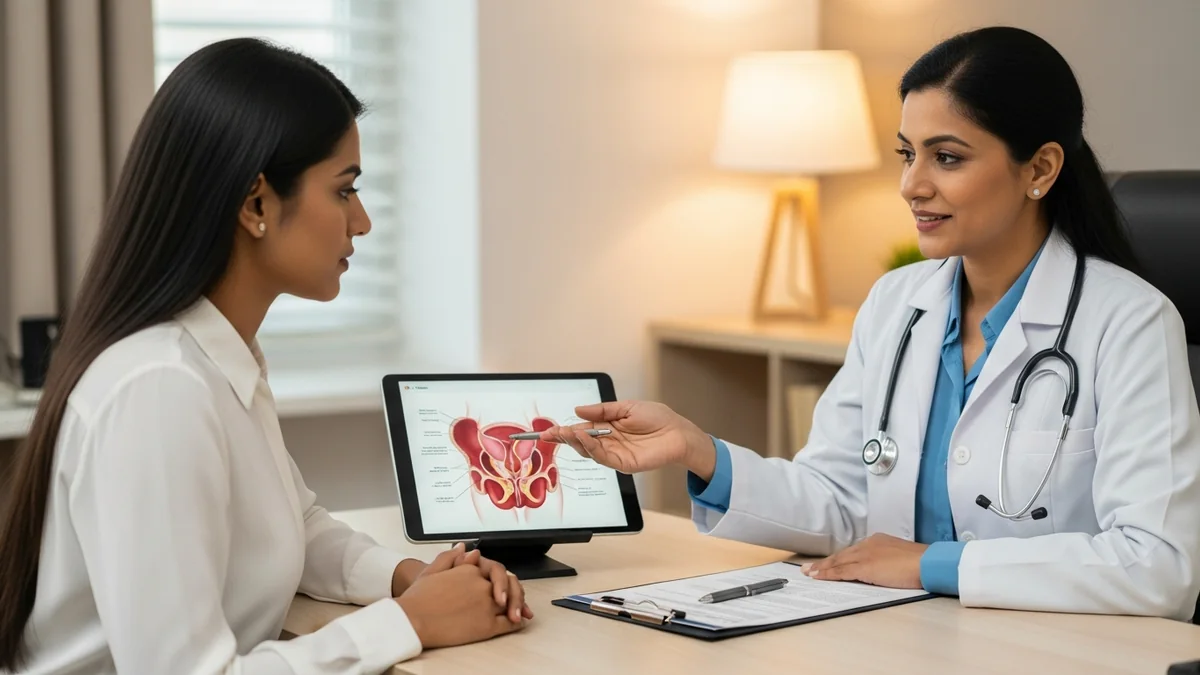
While this guide provides general information about pelvic pain, it's not a substitute for professional medical advice. If you're experiencing persistent or severe pelvic pain, it's essential to consult a healthcare professional for proper evaluation and management. A thorough evaluation can help identify the underlying cause of your pain and determine the most appropriate treatment plan. For personalised guidance, book a consultation with Dr. Rukkayal Fathima. As a fertility specialist practising across the seven Yaal Fertility centres in Chennai, I can help you navigate your reproductive health concerns and find effective solutions. I also specialize in /specialties/endometriosis-treatment and /specialties/gynecology-care. To further increase your knowledge on this topic, you may wish to read our guide on endometriosis stages and fertility impact and what a fertility specialist does.

Dr. Rukkayal Fathima
MBBS, MS (OBG), MRCOG (UK), FRM (Kiel University)
Fertility Specialist, Obstetrician, Gynecologist & Laparoscopic Surgeon
Dr. Rukkayal Fathima is a fertility specialist, obstetrician and gynaecologist in Chennai. She has 15+ years of experience and treated 3000+ patients. She specialises in IVF, ICSI, TESA/Micro TESE, IUI, Early Pregnancy Scan, Menopause advice, and Gynaecological surgeries. She is the Founder & Director of Yaal Fertility and Women's Centre, which runs 7 fertility centres across Chennai.
Have Questions About gynecology-care?
Every situation is unique. Dr. Rukkayal Fathima provides personalised, evidence-based guidance across multiple locations in Chennai.
Frequently Asked Questions
Pelvic pain varies, from sharp, stabbing sensations to a dull ache in the lower abdomen. It may be constant or intermittent, and can be linked to menstrual cycles, intercourse, or bowel movements. Some women experience pain in their lower back or hips, which may be related to pelvic floor dysfunction.
While pelvic pain is common, especially around menstruation, persistent or severe pain is not normal and warrants medical evaluation. It may indicate an underlying condition such as endometriosis, fibroids, or pelvic inflammatory disease. Early diagnosis and management are crucial for preventing complications and improving quality of life.
Consult a doctor if your pelvic pain is severe, persistent, or interferes with daily activities. Seek immediate medical attention if you experience sudden, intense pelvic pain accompanied by fever, vomiting, dizziness, or signs of shock. These symptoms may indicate a medical emergency like ectopic pregnancy.
Chronic pelvic pain, lasting six months or more, can stem from various causes, including endometriosis, adenomyosis, uterine fibroids, pelvic inflammatory disease (PID), irritable bowel syndrome (IBS), or pelvic floor dysfunction. In some cases, the exact cause remains unidentified despite thorough investigation.
Yes, pelvic floor physical therapy can be highly effective in managing pelvic pain, especially when caused by pelvic floor dysfunction. A trained therapist can help release muscle tension, improve blood flow, and restore proper function to the pelvic floor muscles through targeted exercises and manual techniques.
Diagnosing pelvic pain typically involves a comprehensive medical history, physical exam, and various diagnostic tests. These may include a pelvic exam, ultrasound, blood tests, urine tests, and in some cases, laparoscopy. The goal is to identify the underlying cause of the pain and rule out any serious conditions.
Treatment options for pelvic pain in Chennai vary depending on the underlying cause and severity of the pain. They may include pain medication, hormonal therapy, antibiotics (for infections), physical therapy, lifestyle modifications, and in some cases, surgery. A multidisciplinary approach involving gynecologists, pain specialists, and other healthcare professionals is often recommended.
Consult Dr. Rukkayal at Yaal Fertility, Chennai
Dr. Rukkayal is the Founder & Director of Yaal Fertility and Women's Centre and consults at all 7 Yaal centres. Walk-ins welcome; appointments preferred.
Full hospital · IVF lab & ICU
No. 747, Poonamallee High Road, Alagappa Nagar, Kilpauk, Chennai – 600 010
Theatre & recovery
First Floor, Kumar Towers, Bus Depot, Opp. Padianallur, PT Murthy Nagar, Padiyanallur, Red Hills, Chennai – 600 052
IVF lab & theatre
2nd Floor, Dr. Mehta's Global Campus, No. 50, Poonamallee High Road, Velappanchavadi, Thiruverkadu, Chennai – 600 077
Consultation & andrology lab
No. 149/1, Luz Church Road, Bhaskarapuram, Mylapore, Chennai – 600 004
IVF lab & theatre
Second Floor, No. 1, 3rd Street, Malaviya Avenue, Thiruvanmiyur, Chennai – 600 041
Consultation & andrology lab
No. 95, Plot No. 1, Velachery Main Road, Devi Karumariamman Nagar, Pallikaranai, Chennai – 600 100
Consultation & andrology lab
3/5, Kannan Nagar 3rd Main Road, Vigneshwar Nagar, Madipakkam, Chennai – 600 091
Book any centre on the Yaal line, +91 75500 06704. Compare all Yaal centres