Fibroids & Fertility: Impact & Treatment

This article is part of our guide on Female Fertility in Chennai — see the full treatment overview, success rates, and costs.
Uterine fibroids are noncancerous growths in the uterus that can affect fertility depending on their size and location. If you're in Chennai and concerned about the impact of fibroids on your ability to conceive, understanding your options is crucial. This blog post will explain how fibroids can impact fertility, available treatment options, and when to seek help from a fertility specialist in Chennai.
What Are Uterine Fibroids?
Uterine fibroids, also known as leiomyomas, are benign (non-cancerous) tumors that develop in the uterus. They are very common, affecting a significant proportion of women, particularly during their reproductive years. It's estimated that up to 70-80% of women may develop fibroids by the age of 50. Fibroids can vary greatly in size, number, and location within the uterus. Some may be microscopic, while others can grow quite large, causing the uterus to expand significantly. They can be located within the uterine wall (intramural), protrude into the uterine cavity (submucosal), or grow on the outside of the uterus (subserosal).
The exact cause of fibroids is not fully understood, but hormonal factors, particularly estrogen and progesterone, are believed to play a significant role in their growth. Genetics and family history may also increase the risk. While many women with fibroids experience no symptoms, others may suffer from a range of issues, including heavy menstrual bleeding, pelvic pain, frequent urination, and constipation. The impact of fibroids on fertility depends largely on their size and location. Submucosal fibroids, which distort the uterine cavity, are most likely to interfere with implantation and pregnancy. Intramural fibroids, if large, can also affect fertility by distorting the uterus or affecting blood flow to the uterine lining. In Chennai, as in other parts of the world, uterine fibroids are a common concern for women of reproductive age.
How Fibroids Impact on Fertility
The impact of fibroids on fertility depends largely on their size, location, and the number of fibroids present. Submucosal fibroids, which grow into the uterine cavity, are most likely to negatively affect fertility. These fibroids can interfere with the implantation of a fertilized egg, making it difficult to conceive. They can also increase the risk of miscarriage if pregnancy does occur. Intramural fibroids, located within the wall of the uterus, can also impact fertility if they are large enough to distort the uterine cavity or affect blood flow to the uterine lining. Subserosal fibroids, which grow on the outside of the uterus, are less likely to directly affect fertility unless they are very large and cause significant distortion of the uterus.
Specifically, a 2021 study in Diagnostics reviewed nine studies and found that intramural and submucosal fibroids (those distorting the uterine cavity) were linked to lower pregnancy rates. The presence of fibroids can also affect the uterine environment, making it less receptive to implantation. They can cause inflammation and alter the normal uterine contractions, which can interfere with the transport of sperm and the implantation of the embryo. Moreover, fibroids can sometimes block the fallopian tubes, preventing the egg from traveling to the uterus. In my clinical experience, I have observed that women with large or multiple fibroids often experience more difficulty conceiving and maintaining a pregnancy. Therefore, it's essential to evaluate the size, location, and number of fibroids when assessing a woman's fertility potential.
Signs and Symptoms of Uterine Fibroids
Many women with uterine fibroids experience no symptoms at all, especially if the fibroids are small. However, when symptoms do occur, they can vary widely depending on the size, location, and number of fibroids. Common symptoms include:
- Heavy menstrual bleeding (menorrhagia): This is one of the most common symptoms. Periods may be much heavier than usual, often requiring frequent changes of sanitary pads or tampons.
- Prolonged menstrual periods: Periods may last longer than seven days.
- Pelvic pain or pressure: Large fibroids can cause a feeling of fullness or pressure in the lower abdomen or pelvis.
- Frequent urination: If a fibroid presses on the bladder, it can cause the urge to urinate more frequently.
- Constipation: Fibroids pressing on the rectum can cause constipation.
- Back pain: Large fibroids can sometimes cause back pain.
- Pain during intercourse: Fibroids can cause discomfort or pain during sexual activity.
- Enlargement of the abdomen: In some cases, large fibroids can cause the abdomen to swell, making a woman look pregnant.
- Infertility or miscarriage: As discussed earlier, fibroids can interfere with fertility and increase the risk of miscarriage.
It's important to note that these symptoms can also be caused by other conditions. Therefore, it is crucial to consult a doctor for proper diagnosis and evaluation. Patients often ask me if the severity of symptoms correlates with the size of the fibroids, and while there's a general trend, even small fibroids in certain locations can cause significant discomfort.
How Uterine Fibroids Are Diagnosed
Diagnosing uterine fibroids typically involves a combination of a physical examination, a review of your medical history, and imaging tests. The diagnostic process usually includes the following:
- Pelvic Exam: A routine pelvic exam allows the doctor to feel the size, shape, and consistency of your uterus. This can help detect any abnormalities, such as enlarged uterus or the presence of fibroids.
- Ultrasound: This is often the first imaging test used to diagnose fibroids. It uses sound waves to create a picture of the uterus and can help identify the number, size, and location of fibroids. Both transabdominal (over the abdomen) and transvaginal (inside the vagina) ultrasounds may be used for a more detailed view.
- Hysteroscopy: This procedure involves inserting a thin, lighted scope through the vagina and cervix into the uterus. It allows the doctor to directly visualize the inside of the uterus and identify any submucosal fibroids.
- Hysterosalpingography (HSG): This is an X-ray procedure that involves injecting dye into the uterus and fallopian tubes. It can help identify any abnormalities in the uterine cavity, such as fibroids, and assess whether the fallopian tubes are open.
- Magnetic Resonance Imaging (MRI): An MRI provides a more detailed image of the uterus and can help differentiate fibroids from other types of uterine masses. It can also help determine the size, number, and location of fibroids more accurately.
- Sonohysterography: This is a type of ultrasound that involves filling the uterus with saline solution. It can provide a clearer image of the uterine lining and help identify submucosal fibroids.
The choice of diagnostic tests depends on your symptoms, medical history, and the findings of the pelvic exam. In my clinical experience, ultrasound is usually the first-line diagnostic tool, followed by more specialized tests if needed. Early diagnosis is crucial for effective management and treatment of fibroids, especially if you are planning to conceive.
Treatment Options for Uterine Fibroids in Chennai and Fertility
Treatment options for uterine fibroids depend on several factors, including the size, number, and location of the fibroids, the severity of your symptoms, your age, and your desire to have children in the future. In Chennai, various treatment options are available, ranging from medical management to surgical interventions.
| Treatment Option | Description | Impact on Fertility | Cost in Chennai (Approximate) |
|---|---|---|---|
| Medical Management | |||
| Pain relievers | Over-the-counter pain relievers like ibuprofen or naproxen can help relieve pain and cramping. | No direct impact on fertility. | ₹100 - ₹500 |
| Iron supplements | Can help treat anemia caused by heavy menstrual bleeding. | No direct impact on fertility. | ₹200 - ₹800 |
| Hormonal birth control | Birth control pills or IUDs can help control heavy bleeding and pain but do not shrink fibroids. | Prevents pregnancy while in use. | ₹500 - ₹2,000/month |
| GnRH agonists/antagonists | Medications that shrink fibroids by lowering estrogen levels. Often used before surgery. | Temporary infertility while in use. | ₹3,000 - ₹7,000/month |
| Surgical Options | |||
| Hysteroscopic myomectomy | Removal of submucosal fibroids through the vagina using a hysteroscope. | Can improve fertility by removing fibroids that distort the uterine cavity. | ₹40,000 - ₹70,000 |
| Laparoscopic myomectomy | Removal of fibroids through small incisions in the abdomen using a laparoscope. | Can improve fertility by removing fibroids without a large incision. | ₹70,000 - ₹1,20,000 |
| Open abdominal myomectomy | Removal of fibroids through a larger incision in the abdomen. | Can improve fertility but has a longer recovery time. | ₹80,000 - ₹1,50,000 |
| Uterine artery embolization | A procedure that blocks blood flow to the fibroids, causing them to shrink. | Not generally recommended for women who desire future fertility due to potential risks to ovarian function and uterine lining. | ₹60,000 - ₹1,00,000 |
Disclaimer: Prices are approximate and can vary. Consult with a healthcare provider for accurate cost estimates.
For women who are trying to conceive, the primary goal of treatment is to remove fibroids that are likely to interfere with fertility while preserving the uterus. Myomectomy, the surgical removal of fibroids, is the most common treatment option for women who want to get pregnant. A 2024 study in medRxiv (preprint, not peer-reviewed) found that 63% of 38 infertile women with subserosal, intramural-subserosal, or intramural fibroids became pregnant within 2 years after laparoscopic myomectomy. Pregnancy rates were higher after removing fibroids larger than 5 cm and after removing a single fibroid compared to multiple fibroids.
Myomectomy can be performed through different approaches, including hysteroscopy (for submucosal fibroids), laparoscopy (for smaller fibroids), or open abdominal surgery (for larger or multiple fibroids). The choice of approach depends on the size, number, and location of the fibroids. In some cases, medications such as GnRH agonists or antagonists may be used to shrink the fibroids before surgery. However, these medications are not a long-term solution and are typically used only for a short period. Uterine artery embolization (UAE) is another treatment option that involves blocking the blood supply to the fibroids, causing them to shrink. However, UAE is generally not recommended for women who desire future fertility due to potential risks to ovarian function and uterine lining. A 2024 review reported clinical pregnancy rates were 15% lower in women with fibroids compared to those without.
Lifestyle Changes and Prevention
While there's no guaranteed way to prevent uterine fibroids, certain lifestyle changes may help reduce your risk or manage symptoms. Maintaining a healthy weight is essential, as obesity is associated with an increased risk of fibroids. A balanced diet rich in fruits, vegetables, and whole grains can also be beneficial. Some studies suggest that vitamin D deficiency may be linked to an increased risk of fibroids, so ensuring adequate vitamin D levels through sunlight exposure, diet, or supplements may be helpful. Other studies suggest that increased consumption of omega-3 fatty acids may reduce the risk of developing fibroids. Aim for at least two servings of oily fish per week.
Additionally, managing stress levels through exercise, yoga, or meditation can help improve overall health and potentially reduce the risk of fibroids. Some research suggests that certain dietary components, such as dairy products and green tea, may have a protective effect against fibroids, but more research is needed to confirm these findings. Conversely, high consumption of red meat and alcohol may increase the risk of fibroids. It's also important to address any nutrient deficiencies, such as iron deficiency caused by heavy menstrual bleeding. In my experience, patients who adopt a holistic approach to their health, including diet, exercise, and stress management, tend to have better outcomes in managing fibroids and improving their overall well-being.
When to See a Fertility Specialist
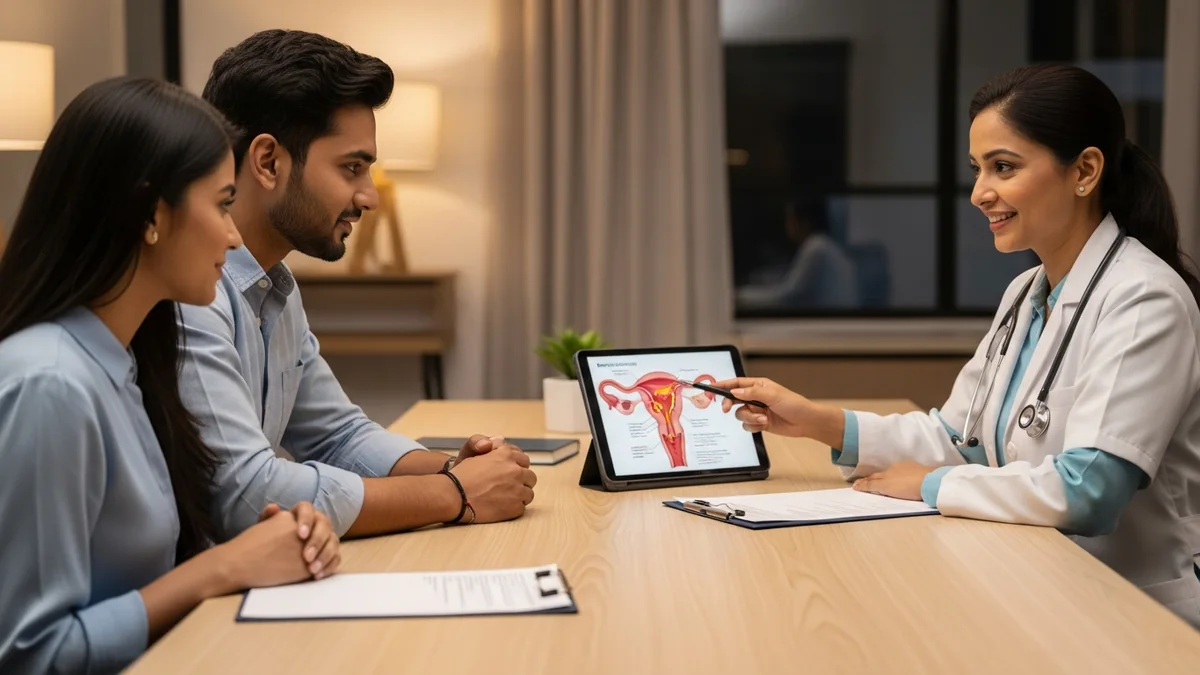
If you are experiencing symptoms of uterine fibroids and are trying to conceive without success, it's important to seek the advice of a fertility specialist. A fertility specialist can evaluate the size, number, and location of your fibroids and determine whether they are affecting your fertility. They can also recommend the most appropriate treatment options based on your individual circumstances and fertility goals.
Specifically, the ASRM recommends that myomectomy may be considered for cavity-distorting myomas to improve pregnancy rates and reduce early pregnancy loss. Myomectomy is generally not advised for asymptomatic infertile women with non-cavity-distorting myomas. It's also important to see a fertility specialist if you have a history of recurrent miscarriages, as fibroids can sometimes contribute to this condition. A fertility specialist can perform a thorough evaluation to identify any underlying causes of recurrent miscarriage and recommend appropriate treatment. Furthermore, if you are planning to undergo fertility treatment, such as IVF, it's important to address any fibroids that may interfere with the success of the treatment. A fertility specialist can work with you to develop a personalized treatment plan that maximizes your chances of conceiving. Fibroids are often removed via our laparoscopy treatment in Chennai. For personalised guidance, book a consultation with Dr. Rukkayal Fathima.

Dr. Rukkayal Fathima
MBBS, MS (OBG), MRCOG (UK), FRM (Kiel University)
Fertility Specialist, Obstetrician, Gynecologist & Laparoscopic Surgeon
Dr. Rukkayal Fathima is one of India's leading Gynaecologists and the best fertility doctor in Chennai. She has 12+ years of experience and treated 3000+ patients. She specialises in IVF, ICSI, TESA/Micro TESE, IUI, Early Pregnancy Scan, Menopause advice, and Gynaecological surgeries. She is a Co-founder & Director of Yaal Fertility and Women's Centre, the Best Fertility Center in Chennai.
Have Questions About Female Fertility?
Every situation is unique. Dr. Rukkayal Fathima provides personalised, evidence-based guidance across multiple locations in Chennai.
Frequently Asked Questions
Yes, depending on their size and location. Submucosal fibroids (those growing into the uterine cavity) are most likely to impact fertility by interfering with implantation or increasing the risk of miscarriage. Intramural fibroids (within the uterine wall) may also pose a risk if they are large or distort the uterine cavity.
Many women with fibroids experience no symptoms. However, common symptoms include heavy menstrual bleeding, prolonged periods, pelvic pain or pressure, frequent urination, constipation, and back pain. In some cases, fibroids can also contribute to infertility or pregnancy complications.
Fibroids are typically diagnosed during a pelvic exam or through imaging tests. An ultrasound is often the first step, providing a clear picture of the uterus. In some cases, a hysteroscopy (examining the uterus with a camera) or MRI may be needed for a more detailed assessment.
Treatment options depend on the fibroid's size, location, and your symptoms. If fibroids are affecting fertility, myomectomy (surgical removal of fibroids) may be recommended. This can be performed hysteroscopically, laparoscopically, or through an open abdominal incision. Medication options are generally not recommended when pregnancy is desired.
The cost of myomectomy in Chennai can vary depending on the surgical approach (hysteroscopic, laparoscopic, or open), the hospital, and other factors. Hysteroscopic myomectomy typically ranges from ₹40,000 to ₹70,000, while laparoscopic or open myomectomy can range from ₹70,000 to ₹1,50,000 or more. Consult with your surgeon for a detailed cost estimate.
Recovery time varies depending on the type of myomectomy. Hysteroscopic myomectomy usually involves a shorter recovery (few days). Laparoscopic myomectomy recovery takes about 2-4 weeks, while open abdominal myomectomy requires a longer recovery of 4-6 weeks. Follow your doctor's post-operative instructions carefully.
While lifestyle changes may not eliminate fibroids, they can help manage symptoms. Maintaining a healthy weight, eating a balanced diet rich in fruits and vegetables, managing stress, and addressing any nutrient deficiencies (like Vitamin D or iron) can be beneficial. Some studies also suggest that Vitamin D and Omega-3 fatty acids may help reduce the risk of fibroid development.
Consult Dr. Rukkayal in Chennai
Available at 4 fertility clinic locations across Chennai. Walk-ins welcome; appointments preferred.
No. 747, Poonamallee High Road, Alagappa Nagar, Kilpauk, Chennai – 600 010
No. 149/1, Luz Church Road, Bhaskarapuram, Mylapore, Chennai – 600 004
No. 95, Plot No. 1, Velachery Main Road, Devi Karumariamman Nagar, Pallikaranai, Chennai – 600 100
Dr. Rukkayal is also a visiting consultant at Apollo Hospital, Motherhood Hospital, Cloud Nine Hospital, MGM Hospital, Metha Hospital and St. Isabel Hospital in Chennai. View all clinic locations