Low Ovarian Reserve Treatment Options

This article is part of our guide on Female Fertility in Chennai — see the full treatment overview, success rates, and costs.
Are you facing a diagnosis of low ovarian reserve (LOR) and seeking effective treatment options? Low ovarian reserve means that the number and quality of a woman's eggs are lower than expected for her age, potentially impacting fertility. As a fertility specialist in Chennai, I understand the challenges this diagnosis can bring. This guide explores the causes, diagnosis, and various treatment options available to help you navigate your fertility journey.
What Is Low Ovarian Reserve?
Low ovarian reserve (LOR) is a condition characterized by a decreased quantity and quality of eggs in a woman's ovaries. This means that the ovaries have fewer follicles (small sacs that contain eggs) than expected for a woman's age. This reduction in egg supply can make it more difficult to conceive naturally and may impact the success of fertility treatments like IVF. It's important to understand that LOR is not the same as premature ovarian insufficiency (POI), although both conditions involve diminished ovarian function. POI refers to the cessation of ovarian function before the age of 40, while LOR can occur at any age.
Several factors can contribute to low ovarian reserve. Age is the most significant factor, as a woman's egg supply naturally declines with age, particularly after 35. Genetic factors, such as family history of early menopause or chromosomal abnormalities, can also play a role. Medical treatments like chemotherapy and radiation therapy can damage the ovaries and reduce egg count. Certain lifestyle factors, such as smoking, can also negatively impact ovarian reserve. Endometriosis and previous ovarian surgeries are also associated with diminished ovarian reserve. In some cases, the cause of LOR remains unknown, referred to as idiopathic LOR.
The diagnosis of LOR is typically based on a combination of hormone blood tests and ultrasound imaging. Anti-Müllerian hormone (AMH) levels, follicle-stimulating hormone (FSH) levels, and antral follicle count (AFC) are commonly used to assess ovarian reserve. AMH is produced by the granulosa cells in ovarian follicles, and its level reflects the number of remaining follicles. FSH stimulates the growth of follicles in the ovaries, and elevated levels may indicate that the ovaries are working harder to produce eggs. AFC refers to the number of small follicles visible on ultrasound at the beginning of the menstrual cycle. A low AMH level, high FSH level, and low AFC are indicative of low ovarian reserve.
Causes and Risk Factors of Low Ovarian Reserve
Several factors can contribute to the development of low ovarian reserve. Understanding these causes can help in assessing individual risk and making informed decisions about fertility planning.
- Age: This is the most significant factor. Women are born with a finite number of eggs, which gradually decline in both quantity and quality as they age. After the age of 35, the decline accelerates.
- Genetics: A family history of early menopause or low ovarian reserve can increase a woman's risk. Certain genetic conditions, such as Turner syndrome or Fragile X syndrome, can also affect ovarian function.
- Medical Treatments: Chemotherapy and radiation therapy, especially when targeted at the pelvic area, can damage the ovaries and reduce the egg supply. Ovarian surgery, such as cyst removal, can also inadvertently reduce the number of healthy follicles.
- Lifestyle Factors: Smoking has been linked to accelerated ovarian aging and reduced ovarian reserve. Exposure to environmental toxins and pollutants may also play a role.
- Autoimmune Diseases: Certain autoimmune disorders, such as lupus and rheumatoid arthritis, can affect ovarian function and contribute to LOR.
- Endometriosis: The presence of endometrial tissue outside the uterus, known as endometriosis, can affect ovarian function and reduce ovarian reserve.
- Idiopathic Factors: In some cases, the cause of LOR remains unknown. This is referred to as idiopathic low ovarian reserve.
Understanding the risk factors associated with LOR allows women to be proactive about their fertility. For example, women with a family history of early menopause may consider earlier fertility testing or egg freezing. Those undergoing cancer treatment can explore options for fertility preservation before starting therapy.
Signs and Symptoms of Low Ovarian Reserve
Low ovarian reserve often doesn't present with obvious symptoms, which can make it challenging to detect early on. Many women only discover they have LOR when they are trying to conceive or during fertility testing. However, some subtle signs may indicate diminished ovarian function.
- Difficulty Conceiving: This is the most common sign. Women with LOR may find it takes longer to get pregnant than expected.
- Shorter Menstrual Cycles: Some women may experience a shortening of their menstrual cycles, with periods occurring more frequently than every 28 days.
- Irregular Periods: Changes in menstrual cycle length or flow can be indicative of hormonal imbalances associated with LOR.
- Heavier or Lighter Bleeding: Some women may notice changes in the amount of bleeding during their periods.
- Increased FSH Levels: Elevated levels of follicle-stimulating hormone (FSH) on day 3 of the menstrual cycle can be an early sign of declining ovarian reserve.
- Low AMH Levels: A low anti-Müllerian hormone (AMH) level, as determined by a blood test, is a strong indicator of LOR.
- Poor Response to Ovarian Stimulation: During fertility treatments like IVF, women with LOR may produce fewer eggs than expected in response to ovarian stimulation medications.
It's important to note that these symptoms can also be caused by other conditions. Therefore, it's essential to consult a fertility specialist for proper evaluation and diagnosis. If you are experiencing any of these signs, particularly if you are over the age of 35 or have risk factors for LOR, seeking medical advice is crucial. Early detection and intervention can help maximize your chances of conceiving. If you are in Chennai, I encourage you to reach out for a consultation to discuss your concerns and explore your options.
How Low Ovarian Reserve Is Diagnosed
Diagnosing low ovarian reserve involves a combination of blood tests, ultrasound imaging, and a review of your medical history. The goal is to assess the quantity and quality of your remaining eggs and determine the best course of action for your fertility goals.
- Anti-Müllerian Hormone (AMH) Test: This blood test measures the level of AMH, a hormone produced by the granulosa cells in ovarian follicles. AMH levels correlate with the number of follicles in the ovaries, making it a reliable marker of ovarian reserve. An AMH level below 1.0 ng/mL is generally considered indicative of low ovarian reserve.
- Follicle-Stimulating Hormone (FSH) Test: FSH is a hormone that stimulates the growth of follicles in the ovaries. FSH levels are typically measured on day 3 of the menstrual cycle. Elevated FSH levels (typically above 10 mIU/mL) may indicate that the ovaries are working harder to produce eggs, suggesting diminished ovarian reserve.
- Estradiol (E2) Test: Estradiol is a form of estrogen produced by the ovaries. This is also measured on day 3 of the menstrual cycle.
- Antral Follicle Count (AFC): This is assessed using a transvaginal ultrasound. The AFC refers to the number of small follicles (2-10 mm in diameter) visible in each ovary at the beginning of the menstrual cycle. A low AFC (typically less than 7 follicles in both ovaries) is indicative of LOR.
- Clomiphene Citrate Challenge Test (CCCT): This test involves measuring FSH levels before and after taking clomiphene citrate (a medication used to stimulate ovulation). This test is less commonly used now since the advent of AMH.
Here's a table summarizing the typical diagnostic criteria for low ovarian reserve:
| Test | Normal Range | Low Ovarian Reserve Indication |
|---|---|---|
| AMH (ng/mL) | 1.0 - 4.0 | Less than 1.0 |
| FSH (mIU/mL) | Less than 10 | Greater than 10 |
| Antral Follicle Count (AFC) | More than 7 follicles in both ovaries combined | Less than 7 follicles |
It's important to note that these are general guidelines, and the interpretation of test results should be done in conjunction with a fertility specialist. The specific cutoffs for defining LOR may vary slightly depending on the laboratory and the individual's age and medical history.
Treatment Options for Low Ovarian Reserve in Chennai
While low ovarian reserve can present challenges to fertility, several treatment options are available in Chennai to help women achieve their dream of motherhood. The best approach will depend on individual factors such as age, AMH level, AFC, and overall health.
- In Vitro Fertilization (IVF): IVF is a common and effective treatment option for women with LOR. It involves stimulating the ovaries with medications to produce multiple eggs, retrieving the eggs, fertilizing them with sperm in a laboratory, and then transferring the resulting embryos into the uterus.
- Mild Stimulation IVF: This approach uses lower doses of stimulation medications to produce fewer, but potentially higher quality, eggs. It may be a suitable option for women with LOR who are concerned about the side effects of high-dose stimulation.
- Natural Cycle IVF: This involves retrieving a single egg that develops naturally during the menstrual cycle, without the use of stimulation medications. It may be an option for women with very low ovarian reserve who do not respond well to stimulation.
- Intracytoplasmic Sperm Injection (ICSI): ICSI is a technique used in conjunction with IVF, where a single sperm is injected directly into each egg to facilitate fertilization. This can be particularly helpful when there are concerns about sperm quality or fertilization rates.
- Donor Egg IVF: Donor egg IVF involves using eggs from a young, healthy donor to achieve pregnancy. This option offers a significantly higher chance of success for women with LOR, as the donor eggs are of optimal quality. As a fertility specialist with direct IVF lab experience, I can personally oversee the selection and grading of donor eggs under magnification.
- Intraovarian Platelet-Rich Plasma (PRP) Injection: This is an experimental treatment that involves injecting platelet-rich plasma (PRP) into the ovaries. PRP contains growth factors that may stimulate ovarian function and improve egg quality. While promising, the evidence supporting the effectiveness of PRP for LOR is still limited, and it is not yet a standard treatment.
- DHEA Supplementation: Dehydroepiandrosterone (DHEA) is a hormone that can be converted into androgens and estrogens in the body. Some studies have suggested that DHEA supplementation may improve ovarian function and IVF outcomes in women with LOR. A meta-analysis showed that DHEA supplementation improved the total number of eggs collected.
- Coenzyme Q10 (CoQ10): CoQ10 is an antioxidant that plays a role in cellular energy production. Some studies have suggested that CoQ10 supplementation may improve egg quality in women with LOR.
- Testosterone Supplementation: A meta-analysis found that testosterone supplementation is associated with higher live birth rates compared to non-supplemented women.
The choice of treatment will depend on individual circumstances and should be discussed in detail with a fertility specialist. As a fertility specialist practicing across multiple locations in Chennai, I can provide personalized guidance and support to help you navigate your fertility journey.
Lifestyle Changes and Prevention
While you cannot reverse low ovarian reserve, certain lifestyle modifications can help optimize your overall health and potentially improve egg quality. These changes can also support the effectiveness of fertility treatments.
- Maintain a Healthy Weight: Being overweight or underweight can negatively impact hormone balance and ovarian function. Aim for a healthy BMI through a balanced diet and regular exercise.
- Eat a Balanced Diet: Focus on consuming nutrient-rich foods, including fruits, vegetables, whole grains, lean protein, and healthy fats. A diet rich in antioxidants can help protect your eggs from damage.
- Take Fertility Supplements: Vitamin D supplementation at 50,000IU weekly for 3 months improved AMH levels. Dosage of 800 to 2000 IU per day may strengthen follicle development and egg quality.
- Quit Smoking: Smoking has been shown to accelerate ovarian aging and reduce ovarian reserve. Quitting smoking is one of the best things you can do for your fertility.
- Limit Alcohol Consumption: Excessive alcohol consumption can negatively impact hormone levels and egg quality. Limit your intake to no more than one alcoholic beverage per day.
- Manage Stress: Chronic stress can disrupt hormone balance and affect ovarian function. Practice stress-reducing activities such as yoga, meditation, or spending time in nature.
- Avoid Exposure to Toxins: Minimize your exposure to environmental toxins and pollutants, such as pesticides, herbicides, and industrial chemicals.
- Consider Acupuncture: Some studies suggest that acupuncture may improve ovarian function and IVF outcomes.
- Limit Caffeine Intake: High caffeine intake may be associated with reduced fertility. Limit your intake to no more than 200 mg per day (about one 12-ounce cup of coffee).
While these lifestyle changes may not significantly increase your ovarian reserve, they can help create a healthier environment for your eggs and improve your overall chances of conceiving.
When to See a Fertility Specialist
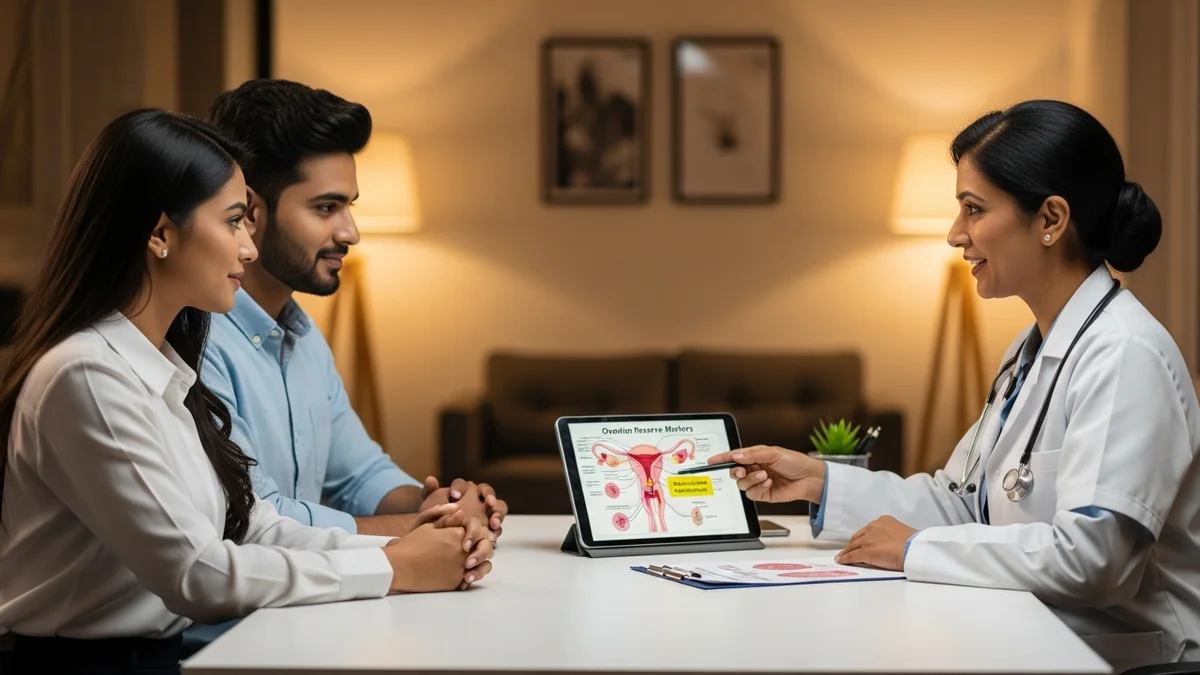
If you are experiencing difficulty conceiving, have risk factors for low ovarian reserve, or are over the age of 35, it's essential to seek the advice of a fertility specialist. Early evaluation and intervention can help maximize your chances of achieving pregnancy. A fertility specialist can perform a comprehensive evaluation to assess your ovarian reserve and identify any other underlying fertility issues. They can also discuss your treatment options and develop a personalized plan to help you achieve your fertility goals.
As a fertility specialist practicing across multiple locations in Chennai including Egmore/Chetpet, Mylapore, and Tambaram, I offer comprehensive fertility evaluations and personalized treatment plans tailored to your individual needs. I have extensive experience in treating women with low ovarian reserve and am committed to providing compassionate and evidence-based care. Learn more about our female fertility evaluation. For personalised guidance, book a consultation with Dr. Rukkayal Fathima.

Dr. Rukkayal Fathima
MBBS, MS (OBG), MRCOG (UK), FRM (Kiel University)
Fertility Specialist, Obstetrician, Gynecologist & Laparoscopic Surgeon
Dr. Rukkayal Fathima is one of India's leading Gynaecologists and the best fertility doctor in Chennai. She has 12+ years of experience and treated 3000+ patients. She specialises in IVF, ICSI, TESA/Micro TESE, IUI, Early Pregnancy Scan, Menopause advice, and Gynaecological surgeries. She is a Co-founder & Director of Yaal Fertility and Women's Centre, the Best Fertility Center in Chennai.
Have Questions About Female Fertility?
Every situation is unique. Dr. Rukkayal Fathima provides personalised, evidence-based guidance across multiple locations in Chennai.
Frequently Asked Questions
Low ovarian reserve (LOR) indicates a reduced quantity and quality of eggs. This can make natural conception more challenging. However, it doesn't mean pregnancy is impossible. Several treatment options, including IVF, can help overcome LOR and improve your chances of conceiving.
While you can't technically increase the number of eggs, you can focus on optimizing egg quality. A balanced diet rich in antioxidants, managing stress, maintaining a healthy weight, and avoiding smoking can all contribute to better egg health. Supplements like CoQ10 and Vitamin D may also be beneficial.
IVF success rates with LOR are generally lower than in women with normal ovarian reserve. However, success is still possible. Using advanced techniques, such as mild stimulation protocols or donor eggs, can significantly improve outcomes. Success depends on age, egg quality and individual circumstances.
Diagnosis typically involves blood tests to measure hormones like FSH (follicle-stimulating hormone) and AMH (anti-Müllerian hormone), along with a transvaginal ultrasound to assess your antral follicle count (AFC). These tests provide valuable insights into your ovarian function and egg supply.
Donor egg IVF offers a significantly higher chance of success for women with LOR, especially when other treatments have been unsuccessful. Donor eggs come from young, healthy women with proven fertility, increasing the likelihood of a healthy pregnancy and live birth.
The cost of LOR treatment in Chennai varies depending on the specific treatment plan. IUI can cost between ₹8,000 to ₹20,000 per cycle. IVF costs range from ₹1,50,000 to ₹3,00,000 per cycle. Donor egg IVF typically ranges from ₹3,50,000 to ₹5,00,000. These are estimates and can vary based on your individual needs.
Several supplements may support egg quality in women with LOR, including CoQ10, Vitamin D, N-Acetyl Cysteine (NAC), Alpha-Lipoic Acid (ALA), and omega-3 fatty acids. It's essential to discuss supplement use with your fertility specialist to determine the appropriate dosages and ensure they don't interact with other medications.
Consult Dr. Rukkayal in Chennai
Available at 4 fertility clinic locations across Chennai. Walk-ins welcome; appointments preferred.
No. 747, Poonamallee High Road, Alagappa Nagar, Kilpauk, Chennai – 600 010
No. 149/1, Luz Church Road, Bhaskarapuram, Mylapore, Chennai – 600 004
No. 95, Plot No. 1, Velachery Main Road, Devi Karumariamman Nagar, Pallikaranai, Chennai – 600 100
Dr. Rukkayal is also a visiting consultant at Apollo Hospital, Motherhood Hospital, Cloud Nine Hospital, MGM Hospital, Metha Hospital and St. Isabel Hospital in Chennai. View all clinic locations