Adenomyosis & Fertility: What You Need to Know
This article is part of our guide on Female Fertility in Chennai — see the full treatment overview, success rates, and costs.
Adenomyosis, a condition where the uterine lining grows into the muscular wall of the uterus, can significantly impact fertility. If you're experiencing symptoms like heavy bleeding or pelvic pain and are trying to conceive in Chennai, understanding adenomyosis and its treatment options is crucial.
What Is Adenomyosis?
Adenomyosis is a condition where the endometrial tissue, which normally lines the uterus, grows into the myometrium (the muscular wall of the uterus). Unlike endometriosis, where similar tissue grows outside the uterus, adenomyosis involves tissue within the uterine wall itself. This infiltration can cause the uterine walls to thicken, leading to a variety of symptoms that can affect a woman's quality of life and fertility. The exact cause of adenomyosis is still not fully understood, but it is often associated with hormonal imbalances, particularly estrogen dominance, and may develop after uterine surgery such as a C-section or D&C.
The prevalence of adenomyosis varies, but studies suggest it affects a significant percentage of women, particularly those in their 30s and 40s. Diagnosis is typically made through imaging techniques like transvaginal ultrasound or MRI, although a definitive diagnosis often requires a histological examination of the uterus after a hysterectomy. Adenomyosis can be classified into different types based on its location and extent within the uterine wall. Diffuse adenomyosis involves widespread infiltration throughout the myometrium, while focal adenomyosis presents as localized nodules or adenomyomas. The severity of adenomyosis can also vary, with some women experiencing mild symptoms and others suffering from debilitating pain and heavy bleeding.
In my clinical experience, many women with adenomyosis go undiagnosed for years, attributing their symptoms to normal menstrual cycles or other conditions. This delay in diagnosis can prolong suffering and potentially impact fertility. A thorough evaluation by a gynaecologist is essential for accurate diagnosis and appropriate management.
Causes and Risk Factors of Adenomyosis
While the exact cause of adenomyosis remains unclear, several theories and risk factors have been identified. One prominent theory suggests that adenomyosis develops due to the direct invasion of endometrial cells into the myometrium. This invasion may be triggered by uterine trauma, such as surgery (e.g., cesarean section, D&C), which can disrupt the boundary between the endometrium and myometrium. Another theory proposes that adenomyosis arises from the metaplasia (transformation) of certain cells within the myometrium into endometrial-like tissue.
Hormonal factors, particularly estrogen, are believed to play a significant role in the development and progression of adenomyosis. Estrogen promotes the growth and activity of endometrial tissue, and an imbalance in estrogen levels can contribute to the infiltration of endometrial cells into the myometrium. Women with higher estrogen levels or prolonged exposure to estrogen may be at increased risk of developing adenomyosis.
Several risk factors have been associated with an increased likelihood of developing adenomyosis. These include:
- Age: Adenomyosis is more common in women in their 30s, 40s, and 50s.
- Parity: Women who have had multiple pregnancies may be at higher risk.
- Uterine surgery: Previous uterine surgeries, such as cesarean sections, D&Cs, or fibroid removal, can increase the risk.
- Endometriosis: Women with endometriosis are more likely to develop adenomyosis.
- Hormonal factors: Exposure to high levels of estrogen or prolonged estrogen exposure may increase the risk.
It's important to note that many women with adenomyosis have no identifiable risk factors. In my practice, I often see patients who are surprised to learn they have adenomyosis, as they don't fit the typical profile. This underscores the importance of considering adenomyosis in any woman presenting with relevant symptoms, regardless of the presence of risk factors.
Signs and Symptoms of Adenomyosis
The signs and symptoms of adenomyosis can vary widely, ranging from mild discomfort to severe, debilitating pain. Some women with adenomyosis may experience no symptoms at all, while others suffer significantly. The severity of symptoms often depends on the extent and location of the adenomyosis within the uterine wall. Common symptoms include:
- Heavy and prolonged menstrual bleeding (menorrhagia): This is one of the most common symptoms. Women may experience soaking through pads or tampons frequently and passing large blood clots.
- Severe menstrual cramps (dysmenorrhea): The pain can be intense and may not respond well to over-the-counter pain relievers. The pain is often described as a sharp, stabbing, or cramping sensation in the lower abdomen.
- Chronic pelvic pain: Some women experience constant pelvic pain, even when not menstruating. This pain can be dull, aching, or sharp and may radiate to the lower back or legs.
- Pain during intercourse (dyspareunia): Deep penetration during intercourse can cause pain due to the inflammation and thickening of the uterine wall.
- Bloating: The enlarged uterus can cause a feeling of fullness or bloating in the lower abdomen.
- Enlarged uterus: The uterus may be enlarged and tender to the touch during a pelvic exam.
- Infertility: Adenomyosis can make it more difficult to conceive and carry a pregnancy to term. Studies show a 28% reduction in the likelihood of clinical pregnancy at IVF/ICSI compared to women without adenomyosis.
- Recurrent miscarriage: Adenomyosis is associated with a higher risk of miscarriage. One study reported a 31% miscarriage rate in women with adenomyosis.
It's important to note that these symptoms can overlap with other conditions, such as endometriosis, uterine fibroids, and pelvic inflammatory disease. Therefore, a thorough evaluation by a gynaecologist is necessary to determine the correct diagnosis. Patients often ask me if their heavy periods are "just normal" or something to worry about. If heavy bleeding or pelvic pain is interfering with your daily life, it's definitely worth investigating.
How Adenomyosis Is Diagnosed
Diagnosing adenomyosis can be challenging, as its symptoms often overlap with other conditions. A combination of medical history, physical examination, and imaging techniques is typically used to arrive at a diagnosis.
- Medical History and Physical Examination: Your gynaecologist will start by taking a detailed medical history, including your menstrual cycle patterns, pain symptoms, and any previous surgeries or pregnancies. A pelvic examination can help assess the size and tenderness of the uterus.
- Transvaginal Ultrasound: This is often the first-line imaging technique used to evaluate the uterus. Ultrasound can reveal thickening of the uterine wall, the presence of cysts within the myometrium, and other features suggestive of adenomyosis. A multicenter prospective study indicated that the presence of multiple morphological features of adenomyosis on ultrasound worsens reproductive outcomes. Clinical pregnancy rates decreased from 42.7% in women without adenomyosis to 22.9% and 13.0% in those with four and seven ultrasound diagnostic features, respectively.
- Magnetic Resonance Imaging (MRI): MRI is considered the gold standard for diagnosing adenomyosis. It provides detailed images of the uterus, allowing for a more accurate assessment of the extent and location of adenomyosis within the myometrium.
- Hysteroscopy and Endometrial Biopsy: Hysteroscopy involves inserting a thin, lighted scope into the uterus to visualize the uterine lining. An endometrial biopsy may be taken to rule out other conditions, such as endometrial cancer. However, hysteroscopy and endometrial biopsy are not typically used to diagnose adenomyosis directly, as the condition primarily affects the myometrium.
- Histopathological Examination: The definitive diagnosis of adenomyosis is made through histopathological examination of the uterus after hysterectomy. However, hysterectomy is usually reserved for women who have completed childbearing and have severe symptoms that do not respond to other treatments.
Differentiating between adenomyosis and uterine fibroids can sometimes be difficult, as both conditions can cause similar symptoms and may appear on imaging studies. Here's a comparison table to highlight the key differences:
| Feature | Adenomyosis | Uterine Fibroids |
|---|---|---|
| Tissue Type | Endometrial tissue within the uterine wall | Benign tumors of smooth muscle tissue |
| Location | Within the myometrium (uterine muscle) | Within or outside the uterus |
| Uterine Enlargement | Diffuse enlargement, often tender | Localized enlargement, may or may not be tender |
| Menstrual Bleeding | Heavy, prolonged, and painful | Heavy, prolonged, may or may not be painful |
| Appearance on Ultrasound | Thickened myometrium, cysts, ill-defined borders | Well-defined, round masses |
| Impact on Fertility | Can negatively affect implantation and pregnancy | Can distort the uterine cavity, affecting implantation |
Treatment Options for Adenomyosis in Chennai
Treatment options for adenomyosis in Chennai depend on the severity of symptoms, age, desire for future fertility, and overall health. The goal of treatment is to alleviate symptoms and improve quality of life.
- Pain Relievers: Over-the-counter pain relievers, such as ibuprofen or naproxen, can help reduce pain and inflammation. For more severe pain, prescription-strength pain relievers may be necessary.
- Hormonal Therapies:
- Oral Contraceptives: Birth control pills can help regulate menstrual cycles and reduce heavy bleeding and pain.
- Progestin-Releasing Intrauterine Device (IUD): The levonorgestrel IUD (LNG-IUD) can effectively reduce heavy bleeding and pain associated with adenomyosis. Pre-treatment with LNG-IUD may also improve IVF outcomes.
- Gonadotropin-Releasing Hormone (GnRH) Agonists: GnRH agonists, such as leuprolide, suppress estrogen production, leading to a temporary reduction in the size of the adenomyosis and relief of symptoms. However, these medications can cause significant side effects, such as hot flashes and bone loss, and are typically used for a limited time. Ultra-long GnRH agonist treatment before frozen embryo transfer is associated with significantly higher clinical pregnancy, implantation, and ongoing pregnancy rates.
- Surgery:
- Endometrial Ablation: This procedure destroys the lining of the uterus, which can reduce heavy bleeding. However, it is not a suitable option for women who desire future fertility.
- Uterine Artery Embolization (UAE): This minimally invasive procedure blocks the blood supply to the uterus, causing the adenomyosis to shrink.
- Adenomyomectomy: This surgical procedure involves removing the adenomyosis while preserving the uterus. It is a more complex surgery and is typically reserved for women who desire future fertility and have focal adenomyosis.
- Hysterectomy: This is the most definitive treatment for adenomyosis and involves removing the entire uterus. It is typically reserved for women who have completed childbearing and have severe symptoms that do not respond to other treatments.
- High-Intensity Focused Ultrasound (HIFU): This non-invasive treatment uses focused ultrasound waves to destroy the adenomyosis tissue. A systematic review and meta-analysis showed a pooled pregnancy rate of 53.4% and a live birth rate of 35.2% after HIFU treatment for adenomyosis.
For women with adenomyosis who are trying to conceive, fertility treatments such as in vitro fertilization (IVF) may be necessary. A retrospective cohort study showed that a freeze-all strategy in women with adenomyosis undergoing ART was associated with significantly higher cumulative live birth rates. In my experience, a personalized approach, considering the patient's age, the severity of adenomyosis, and other fertility factors, is key to maximizing IVF success rates.
These are approximate ranges for Chennai in 2026 — your actual cost will depend on your specific diagnosis and treatment plan. A detailed estimate is provided after your initial consultation.
Lifestyle Changes and Prevention
While there is no definitive way to prevent adenomyosis, certain lifestyle changes can help manage symptoms and potentially reduce the risk of developing the condition.
- Anti-Inflammatory Diet: Focus on consuming foods that reduce inflammation, such as fruits, vegetables, whole grains, and omega-3 fatty acids (found in fish, flaxseeds, and walnuts). Limit processed foods, sugary drinks, and red meat, as these can contribute to inflammation.
- Regular Exercise: Engage in regular physical activity, such as walking, swimming, or yoga. Exercise can help improve circulation, reduce stress, and regulate hormones.
- Stress Management: Practice stress-reducing techniques, such as meditation, deep breathing exercises, or yoga. Chronic stress can exacerbate inflammation and worsen adenomyosis symptoms.
- Limit Exposure to Environmental Toxins: Reduce exposure to environmental toxins, such as pesticides, plastics, and endocrine-disrupting chemicals. These toxins can interfere with hormone balance and potentially contribute to the development of adenomyosis.
- Maintain a Healthy Weight: Obesity is associated with increased estrogen levels, which can promote the growth of endometrial tissue. Maintaining a healthy weight can help regulate hormone balance and reduce the risk of adenomyosis.
- Consider Acupuncture: Some studies suggest that acupuncture can help reduce pain and improve blood flow to the uterus.
These lifestyle changes are not a substitute for medical treatment, but they can complement medical therapies and improve overall well-being. Patients often find that incorporating these changes into their daily routine helps them feel more in control of their condition.
When to See a Fertility Specialist
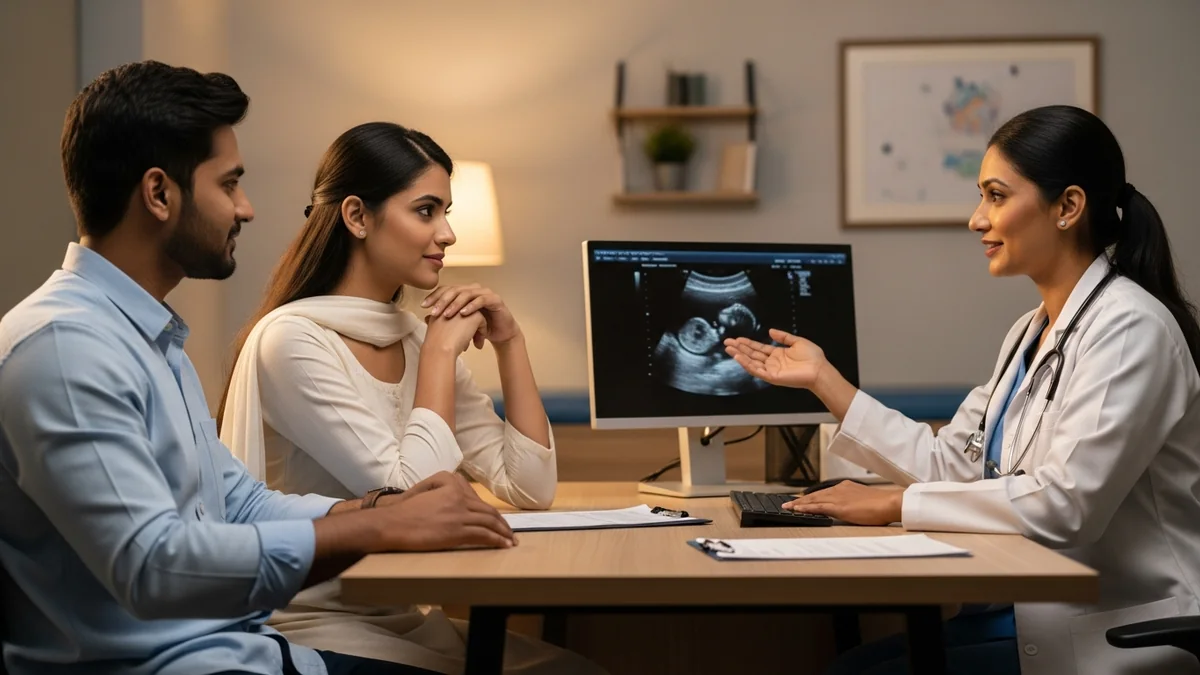
If you are experiencing symptoms of adenomyosis, such as heavy bleeding, severe pelvic pain, or difficulty conceiving, it is important to see a gynaecologist or fertility specialist for evaluation and treatment. Early diagnosis and management can help alleviate symptoms and improve fertility outcomes.
Specifically, you should consider seeking professional help if:
- You have been experiencing heavy and prolonged menstrual bleeding for several months.
- You have severe menstrual cramps that interfere with your daily activities.
- You have chronic pelvic pain that does not respond to over-the-counter pain relievers.
- You have been trying to conceive for six months to a year without success.
- You have a history of recurrent miscarriages.
A fertility specialist can perform a thorough evaluation to determine the cause of your symptoms and recommend the most appropriate treatment plan as part of a full female fertility evaluation. For personalised guidance, book a consultation with Dr. Rukkayal Fathima.

Dr. Rukkayal Fathima
MBBS, MS (OBG), MRCOG (UK), FRM (Kiel University)
Fertility Specialist, Obstetrician, Gynecologist & Laparoscopic Surgeon
Dr. Rukkayal Fathima is a fertility specialist, obstetrician and gynaecologist in Chennai. She has 15+ years of experience and treated 3000+ patients. She specialises in IVF, ICSI, TESA/Micro TESE, IUI, Early Pregnancy Scan, Menopause advice, and Gynaecological surgeries. She is the Founder & Director of Yaal Fertility and Women's Centre, which runs 7 fertility centres across Chennai.
Have Questions About Female Fertility?
Every situation is unique. Dr. Rukkayal Fathima provides personalised, evidence-based guidance across multiple locations in Chennai.
Frequently Asked Questions
Adenomyosis is a condition where the inner lining of the uterus (endometrium) grows into the muscular wall of the uterus (myometrium). This can lead to inflammation, pain, and heavy bleeding. It can affect fertility by disrupting implantation and increasing the risk of miscarriage.
Common symptoms include heavy and prolonged menstrual bleeding, severe menstrual cramps, chronic pelvic pain, pain during intercourse, and bloating. Some women may also experience fertility problems or recurrent miscarriages. However, some women with adenomyosis may not experience any symptoms.
Yes, it is possible to get pregnant with adenomyosis, but it may be more challenging. Adenomyosis is associated with lower clinical pregnancy rates and higher miscarriage rates. However, with appropriate medical management and fertility treatments like IVF, many women with adenomyosis can successfully conceive.
Treatment options vary depending on the severity of symptoms and fertility goals. Medical treatments include pain relievers, hormonal therapies like GnRH agonists, and the levonorgestrel intrauterine system (LNG-IUD). Surgical options include endometrial ablation or hysterectomy for severe cases. Fertility treatments like IVF can help overcome implantation issues.
Adenomyosis can negatively impact IVF success rates by affecting embryo implantation and increasing the risk of miscarriage. Studies suggest women with adenomyosis have a lower likelihood of clinical pregnancy. Certain IVF protocols, like extended GnRH agonist protocols or freeze-all cycles, may improve outcomes.
The cost of adenomyosis treatment in Chennai varies depending on the type of treatment needed. Medical management can range from ₹5,000 to ₹20,000 per month. Surgical options like hysteroscopy can cost between ₹30,000 and ₹60,000, while IVF cycles range from ₹1,20,000 to ₹2,50,000. A detailed estimate is provided after your initial consultation.
Yes, certain lifestyle changes can help manage symptoms. These include adopting an anti-inflammatory diet rich in omega-3 fatty acids and antioxidants, engaging in regular gentle exercise, managing stress through techniques like yoga or meditation, and limiting exposure to environmental toxins.
Consult Dr. Rukkayal at Yaal Fertility, Chennai
Dr. Rukkayal is the Founder & Director of Yaal Fertility and Women's Centre and consults at all 7 Yaal centres. Walk-ins welcome; appointments preferred.
Full hospital · IVF lab & ICU
No. 747, Poonamallee High Road, Alagappa Nagar, Kilpauk, Chennai – 600 010
Theatre & recovery
First Floor, Kumar Towers, Bus Depot, Opp. Padianallur, PT Murthy Nagar, Padiyanallur, Red Hills, Chennai – 600 052
IVF lab & theatre
2nd Floor, Dr. Mehta's Global Campus, No. 50, Poonamallee High Road, Velappanchavadi, Thiruverkadu, Chennai – 600 077
Consultation & andrology lab
No. 149/1, Luz Church Road, Bhaskarapuram, Mylapore, Chennai – 600 004
IVF lab & theatre
Second Floor, No. 1, 3rd Street, Malaviya Avenue, Thiruvanmiyur, Chennai – 600 041
Consultation & andrology lab
No. 95, Plot No. 1, Velachery Main Road, Devi Karumariamman Nagar, Pallikaranai, Chennai – 600 100
Consultation & andrology lab
3/5, Kannan Nagar 3rd Main Road, Vigneshwar Nagar, Madipakkam, Chennai – 600 091
Book any centre on the Yaal line, +91 75500 06704. Compare all Yaal centres