Average Time to Conceive by Age: What to Expect
This article is part of our guide on Female Fertility in Chennai — see the full treatment overview, success rates, and costs.
Embarking on the journey to parenthood is often filled with anticipation, hope, and sometimes, a little anxiety. One of the most common questions I hear in my practice across Chennai is, "How long will it take for me to get pregnant?" The honest answer is: it varies significantly, with age being one of the most crucial factors influencing the average time to get pregnant.
It's natural to expect conception to happen quickly, but for many, it can take several months. Understanding the typical timelines and monthly chances by age can help you set realistic expectations and know when it might be time to seek expert guidance from a fertility specialist.
Understanding Your Fertility Window and Monthly Chances
Conception relies on timing intercourse around your ovulation – the release of an egg from your ovary. This fertile window is typically a few days leading up to ovulation and the day of ovulation itself. Even with perfectly timed intercourse, the chance of conception each month is not 100%.
In my clinical experience, many couples are surprised to learn that the monthly probability of pregnancy varies significantly with age. The American Society for Reproductive Medicine (ASRM) provides clear data on these chances:
- Under 30: Approximately 25% chance of natural pregnancy per cycle.
- Age 30: Around 20% chance of natural pregnancy per cycle.
- Age 35: Less than 15% chance of natural pregnancy per cycle.
- Age 40: Less than 5% chance of natural pregnancy per cycle. The American College of Obstetricians and Gynecologists (ACOG) estimates around a 10% chance per menstrual cycle at age 40.
These figures highlight why conception may not happen as quickly as expected, especially as women get older. It underscores the importance of understanding your body and tracking your cycle, which can be done using tools like an ovulation calculator.
The Biological Reality: How Age Affects Your Chances of Conceiving
The primary reason for the decline in monthly fertility rates and the increased average time to get pregnant with age is the natural aging process of a woman's eggs (oocytes). Women are born with a finite number of eggs, which gradually decrease in both quantity and quality over time.
- Egg Quantity (Ovarian Reserve): Your ovarian reserve, or the number of eggs remaining, diminishes naturally throughout your reproductive years. This decline accelerates significantly after your early 30s and becomes more rapid after age 37.
- Egg Quality (Chromosomal Health): As eggs age, they are more prone to chromosomal abnormalities (aneuploidy). This means the eggs may have too many or too few chromosomes, which can lead to implantation failure, early pregnancy loss, or genetic conditions in the baby. Research published in Science (UC San Francisco and Chan Zuckerberg Biohub San Francisco, 2025) also indicates that changes in the ovarian environment itself, including increased inflammation and fibrosis, impair egg release and ovulation.
- Increased Miscarriage Risk: The risk of miscarriage also rises with age due to these quality issues. A prospective cohort study in Rotterdam (2025) found that compared to women aged 30.0–34.9 years, those aged 35.0–39.9 years had strongly increased odds of miscarriage (Odds Ratio (OR) 2.03), and those aged ≥ 40.0 years had even higher odds (OR 4.24). Generally, 27% of pregnancies end in miscarriage at age 40, compared to 16% at age 30 or younger.
Understanding how fertility declines with age is crucial for making informed decisions about your family planning and when to seek help.
Average Time to Get Pregnant by Age: What the Data Shows
While monthly chances give a snapshot, cumulative pregnancy rates offer a clearer picture of the average time it takes to conceive over several cycles. A study on Natural Cycles users (2025) involving nearly 3,000 participants provides valuable insights into how long it takes for couples to conceive naturally within six and twelve cycles:
- Ages 21-24:
- Within six cycles: 57% conceived
- Within twelve cycles: 71% conceived
- Ages 25-27:
- Within six cycles: 59% conceived
- Within twelve cycles: 79% conceived (highest success within 12 months)
- Ages 28-30:
- Within six cycles: 62% conceived (highest success within 6 months)
- Within twelve cycles: 78% conceived
- Ages 31-33:
- Within six cycles: 61% conceived
- Within twelve cycles: 77% conceived
- Ages 34-36:
- Within six cycles: 56% conceived
- Within twelve cycles: 75% conceived
- Ages 37-39:
- Within six cycles: 46% conceived
- Within twelve cycles: 67% conceived
- Ages 40-45:
- Within six cycles: 27.6% conceived
- Within twelve cycles: 55.5% conceived
These statistics demonstrate a clear trend: while most younger couples (under 35) can expect to conceive within a year, the journey often takes longer, and success rates decrease, as age advances. This data helps us understand the typical time to pregnancy after 35 and beyond.
Beyond Age: Other Factors Influencing Your Conception Timeline
While age is a significant factor, it's certainly not the only one. Many other elements can influence how long it takes to get pregnant:
- Male Fertility: Often overlooked, male fertility plays an equally crucial role. Issues like low sperm count, poor sperm motility (movement), or abnormal sperm shape can significantly prolong the time to conception. A comprehensive male fertility evaluation is essential.
- Ovulation Disorders: Irregular or absent ovulation, often seen in conditions like Polycystic Ovary Syndrome (PCOS), can make predicting the fertile window difficult and reduce monthly chances.
- Fallopian Tube Health: Blocked or damaged fallopian tubes prevent the egg and sperm from meeting, a common cause of infertility.
- Uterine Issues: Conditions like fibroids, polyps, or endometriosis can affect implantation or the uterine environment.
- Lifestyle Factors: Smoking, excessive alcohol consumption, extreme weight (underweight or overweight), high stress levels, and certain environmental toxins can negatively impact both male and female fertility.
- Timing of Intercourse: Even with regular cycles, if intercourse isn't timed correctly around ovulation, conception won't occur.
- Medical Conditions: Untreated thyroid disorders, diabetes, or other chronic illnesses can affect fertility.
A thorough fertility assessment in Chennai for both partners can identify these factors and guide appropriate interventions.
When to Consult a Fertility Specialist in Chennai
Understanding the average time to get pregnant by age is vital for knowing when to seek professional help. Medical guidelines provide clear recommendations:
- For women under 35: If you have been trying to conceive for 12 months or more with regular, unprotected intercourse without success, it's advisable to consult a fertility specialist. This aligns with guidelines from the American Society for Reproductive Medicine (ASRM) and the National Institute for Health and Care Excellence (NICE) in the UK. You can read more about what to do when not getting pregnant after a year.
- For women aged 35 or older: The recommendation shifts to seeking a consultation after 6 months of unsuccessful attempts. This is because fertility decline accelerates after 35, making early intervention more effective.
- For women aged 40 or older: Many fertility experts, including myself, recommend scheduling a consultation as soon as you begin trying to conceive. Proactive evaluation can save valuable time.
Beyond these age-based guidelines, you should consider seeing a fertility doctor sooner if you have:
- Irregular or absent menstrual periods
- A known history of PCOS, endometriosis, or fibroids
- Previous pelvic infections or surgeries
- Known male fertility issues
- Two or more miscarriages
Knowing how long to try before seeing a fertility doctor is a crucial step in your journey. In my practice across Chennai, including my consulting locations in Kilpauk, Mylapore and Thiruvanmiyur, I provide comprehensive evaluations tailored to your individual circumstances.
Optimising Your Chances: Practical Steps for Conception
While age is a factor we cannot change, there are many proactive steps you can take to optimise your chances of getting pregnant, regardless of your age:
- Track Your Cycle and Ovulation: Understanding your fertile window is paramount. Use ovulation predictor kits (OPKs), monitor basal body temperature (BBT), or observe cervical mucus changes to pinpoint ovulation.
- Maintain a Healthy Lifestyle:
- Balanced Diet: Focus on a diet rich in fruits, vegetables, whole grains, and lean proteins. Include key nutrients like folic acid (essential for neural tube development), iron (to prevent anaemia and support ovulation), and Vitamin D (crucial for reproductive hormone regulation).
- Moderate Exercise: Regular, moderate physical activity can improve fertility, but avoid excessive, strenuous exercise which can sometimes disrupt ovulation.
- Manage Stress: High stress levels can impact hormonal balance. Incorporate stress-reduction techniques like yoga, meditation, or spending time in nature.
- Avoid Harmful Substances: Stop smoking, limit alcohol consumption, and avoid recreational drugs. These can significantly impair both male and female fertility.
- Preconception Check-up: Schedule a visit with a gynaecologist or fertility specialist for a preconception check-up. This allows for addressing any underlying health issues and ensuring you're taking essential supplements like folic acid.
- Optimise Male Fertility: Encourage your partner to adopt healthy lifestyle habits as well, as sperm health is vital. This includes a balanced diet, avoiding excessive heat exposure to the testes, and limiting alcohol and smoking.

Finding Hope and Expert Support on Your Fertility Journey in Chennai
The journey to conception can be emotionally taxing, especially when it takes longer than expected. It's important to remember that you are not alone, and there are many effective options available. Many couples, even those facing significant challenges, achieve their dream of parenthood with the right guidance and treatment.
As a fertility specialist with extensive experience across Chennai, I believe in a holistic, evidence-based approach to fertility care. My international training from Kiel University, Germany, and my direct involvement in the IVF laboratory mean that every aspect of your treatment, from diagnosis to embryo selection, is carefully considered. We understand the nuances of fertility and are dedicated to providing compassionate, personalised care.
If you have concerns about the time it's taking to get pregnant, or if you simply want to understand your fertility potential better, please don't hesitate to seek expert advice. For personalised guidance, book a consultation with Dr. Rukkayal Fathima at one of my convenient locations across Chennai, including Kilpauk, Mylapore and Thiruvanmiyur. We are here to support you every step of the way.
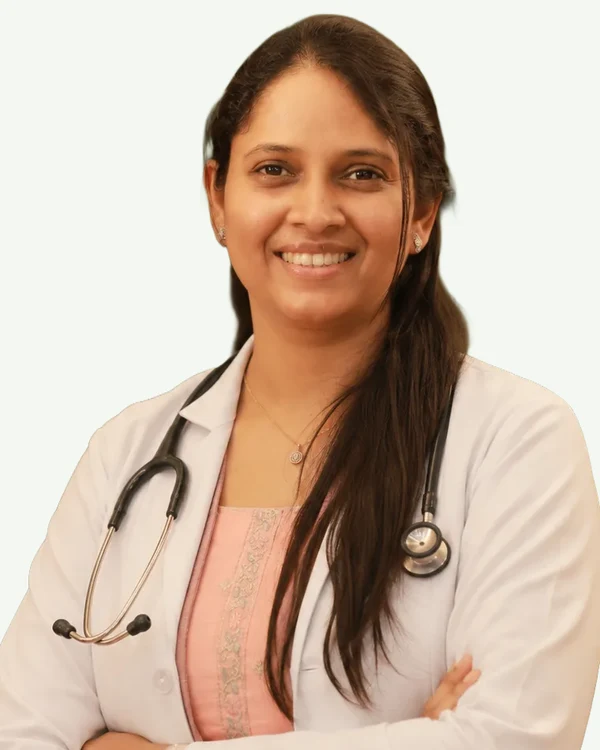
Dr. Rukkayal Fathima
MBBS, MS (OBG), MRCOG (UK), FRM (Kiel University)
Fertility Specialist, Obstetrician, Gynecologist & Laparoscopic Surgeon
Dr. Rukkayal Fathima is a fertility specialist, obstetrician and gynaecologist in Chennai. She has 15+ years of experience and treated 3000+ patients. She specialises in IVF, ICSI, TESA/Micro TESE, IUI, Early Pregnancy Scan, Menopause advice, and Gynaecological surgeries. She is the Founder & Director of Yaal Fertility and Women's Centre, which runs 7 fertility centres across Chennai.
Have Questions About Female Fertility?
Every situation is unique. Dr. Rukkayal Fathima provides personalised, evidence-based guidance across multiple locations in Chennai.
Frequently Asked Questions
For women under 30, the monthly chance of conception is about 25%. Most couples in this age group conceive within 6-12 months of regular, unprotected intercourse. If you've been trying for over a year without success, it's advisable to consult a fertility specialist in Chennai.
Age significantly impacts monthly chances. For women under 30, it's around 25% per cycle. This drops to less than 15% by age 35 and falls below 5% by age 40, primarily due to declining egg quantity and quality.
If you are 35 or older, the American Society for Reproductive Medicine (ASRM) recommends consulting a fertility specialist after 6 months of unsuccessful attempts. For those over 40, it's often advised to seek a consultation as soon as you start trying to conceive.
Beyond age, factors like ovulation regularity, sperm quality, fallopian tube health, lifestyle (diet, smoking, alcohol), and underlying conditions such as PCOS or endometriosis can all influence how long it takes to conceive. Stress levels also play a role.
Yes, it is normal for conception to take time. Many couples don't conceive in the first few months. However, understanding the average timelines for your age group can help you recognise when it might be beneficial to seek professional advice. It's important to set realistic expectations.
Absolutely. Adopting a healthy lifestyle, including a balanced diet, regular exercise, managing stress, and avoiding harmful substances like smoking and excessive alcohol, can significantly optimise your chances of natural conception. Preconception check-ups are also crucial.
Consult Dr. Rukkayal at Yaal Fertility, Chennai
Dr. Rukkayal is the Founder & Director of Yaal Fertility and Women's Centre and consults at all 7 Yaal centres. Walk-ins welcome; appointments preferred.
Full hospital · IVF lab & ICU
No. 747, Poonamallee High Road, Alagappa Nagar, Kilpauk, Chennai – 600 010
Theatre & recovery
First Floor, Kumar Towers, Bus Depot, Opp. Padianallur, PT Murthy Nagar, Padiyanallur, Red Hills, Chennai – 600 052
IVF lab & theatre
2nd Floor, Dr. Mehta's Global Campus, No. 50, Poonamallee High Road, Velappanchavadi, Thiruverkadu, Chennai – 600 077
Consultation & andrology lab
No. 149/1, Luz Church Road, Bhaskarapuram, Mylapore, Chennai – 600 004
IVF lab & theatre
Second Floor, No. 1, 3rd Street, Malaviya Avenue, Thiruvanmiyur, Chennai – 600 041
Consultation & andrology lab
No. 95, Plot No. 1, Velachery Main Road, Devi Karumariamman Nagar, Pallikaranai, Chennai – 600 100
Consultation & andrology lab
3/5, Kannan Nagar 3rd Main Road, Vigneshwar Nagar, Madipakkam, Chennai – 600 091
Book any centre on the Yaal line, +91 75500 06704. Compare all Yaal centres