Asherman Syndrome: Uterine Adhesions, Symptoms & Fertility
This article is part of our guide on Endoscopy Treatment in Chennai — see the full treatment overview, success rates, and costs.
When Your Periods Become Very Light, or Stop
Some women notice that after a miscarriage, a D&C or a uterine surgery, their periods become very light or disappear, or they have difficulty getting or staying pregnant. One possible cause is Asherman syndrome, also called intrauterine adhesions or uterine scarring. It is treatable, and it is often overlooked because routine scans can miss it.
This article is for education only and does not replace an examination or advice from a qualified doctor.
What Is Asherman Syndrome?
Normally the front and back walls of the uterus lie together like the sides of a deflated balloon, lined by the endometrium. In Asherman syndrome, scar tissue (adhesions) forms inside the cavity and joins parts of the walls together. Adhesions may be thin and filmy or dense and thick, and they can partly or completely close the cavity.
The endometrium has a functional layer that thickens and sheds every month, and a deeper basal layer that regenerates it. When the basal layer is damaged, the uterus heals with scar tissue instead of normal lining. The condition is graded as mild, moderate or severe according to how much of the cavity is affected, and this affects the plan and the outlook.
What Causes It?
Trauma to the lining
- D&C (dilatation and curettage) after a miscarriage, retained products or delivery is the commonest cause, because the recently pregnant lining is soft and easily injured. Read blighted ovum, what happens next for how early pregnancy loss is managed.
- Other uterine surgery, such as removal of submucosal fibroids or a uterine septum. See uterine fibroids and fertility
- Rarely, caesarean section or other procedures
Infection
- Pelvic infection and endometritis can inflame and scar the lining. See chronic endometritis and IVF failure.
- Genital tuberculosis is an important cause of severe adhesions in India. It can damage the basal layer extensively, and the outlook for the lining can be poorer.
Symptoms
- Light or short periods (hypomenorrhoea) or spotting only
- No periods (amenorrhoea) despite normal hormones, because there is little functional lining to shed
- Cyclical pelvic pain if menstrual blood is trapped behind scar tissue
- Difficulty conceiving
- Recurrent miscarriage. See recurrent miscarriage causes and treatment
Some women have no symptoms at all. Light periods can also have other causes. Read about irregular periods. Unlike fibroids or a bulky uterus, which tend to cause heavy bleeding, Asherman syndrome typically reduces flow.
How It Affects Fertility
- The lining cannot thicken properly. Scarred areas do not respond to oestrogen, so the lining stays thin. Read about how much endometrial thickness is needed and foods that support the endometrium.
- Blood supply is poor in scar tissue, so an embryo has difficulty implanting and growing there.
- The cavity is restricted, which can interfere with sperm passage, implantation and growth of the pregnancy.
- IVF is affected as well. A good embryo transferred into a scarred cavity may not implant. See implantation signs, window and failure.
How It Is Diagnosed
Routine pelvic ultrasound often cannot show fine adhesions, so specialised tests are used.
HSG (hysterosalpingography)
An X-ray test in which contrast dye is passed through the cervix. Adhesions appear as filling defects in the outline of the cavity. See my HSG and tubal patency test page and blocked fallopian tubes treatment.
Sonohysterography
Saline is placed in the uterus during a transvaginal ultrasound to outline the cavity and any bands of tissue.
Hysteroscopy
A thin telescope is passed through the cervix to see the inside of the uterus. It is the most reliable way to diagnose and grade adhesions and can allow treatment in the same sitting. It shows the site and density of the adhesions, the condition of the remaining lining and whether the openings of the tubes are visible. Read my hysteroscopy guide, the difference between laparoscopy and hysteroscopy and my hysteroscopy service.
Treatment
The aim is to remove the scar tissue, restore the cavity and help healthy lining regrow.
Hysteroscopic adhesiolysis
The scar tissue is cut under direct vision through the hysteroscope, usually under anaesthesia. Cold instruments such as fine scissors are commonly preferred to limit heat damage to the remaining healthy lining. Dense or extensive adhesions may need more than one procedure.
Preventing recurrence
Raw surfaces tend to stick together again, so treatment continues after the operation:
- Hormone therapy. Oestrogen, often followed by progesterone, promotes regrowth of the lining.
- Temporary barriers such as an intrauterine balloon, device or anti-adhesion gel are sometimes used.
- A follow-up hysteroscopy is commonly planned a few weeks later to check the cavity and free any early adhesions.
See period after hysteroscopy for what to expect afterwards.
If the lining stays thin
Options include adjusting the hormone regimen and other measures to improve blood flow or lining growth. Evidence for several of these is limited, so they should be used selectively after full assessment.
Pregnancy After Treatment
Outcomes depend mostly on how severe the adhesions were and how well the lining recovers.
- Mild to moderate: many women achieve a pregnancy after successful treatment, naturally or with assisted reproduction.
- Severe, especially after tuberculosis: more procedures may be needed, and the lining may not fully recover. Options may include IVF and, in some cases, alternatives to carrying the pregnancy. Outcomes vary widely, so I avoid quoting numbers without your particular findings.
A pregnancy after Asherman syndrome is usually monitored more closely. Scarring can increase the risk of problems with the placenta, including placenta accreta and placenta previa, and of growth or preterm problems. See high-risk pregnancy care.
When to Get Checked
Ask for evaluation if you have:
- Very light or absent periods after a D&C, miscarriage or uterine surgery
- Cyclical pelvic pain with little or no bleeding
- Two or more miscarriages, or failed embryo transfers with a thin lining
I perform hysteroscopic assessment and treatment in my Chennai practice and plan hormone support and follow-up carefully, with attention to the lining before any IVF transfer. Read more about IVF treatment, or book a consultation with Dr. Rukkayal Fathima.
Medical disclaimer: this article is general information. Diagnosis and treatment depend on your individual findings. Please consult a qualified gynaecologist or fertility specialist.
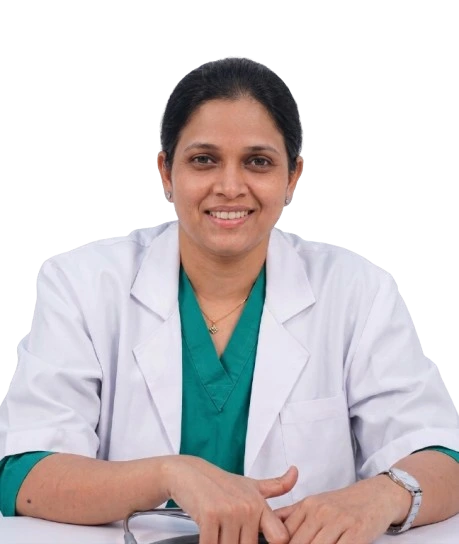
Dr. Rukkayal Fathima
MBBS, MS (OBG), MRCOG (UK), FRM (Kiel University)
Fertility Specialist, Obstetrician, Gynecologist & Laparoscopic Surgeon
Dr. Rukkayal Fathima is one of India's leading Gynaecologists and the best fertility doctor in Chennai. She has 12+ years of experience and treated 3000+ patients. She specialises in IVF, ICSI, TESA/Micro TESE, IUI, Early Pregnancy Scan, Menopause advice, and Gynaecological surgeries. She is a Co-founder & Director of Yaal Fertility and Women's Centre, the Best Fertility Center in Chennai.
Have Questions About Endoscopy Treatment?
Every situation is unique. Dr. Rukkayal Fathima provides personalised, evidence-based guidance across multiple locations in Chennai.
Frequently Asked Questions
The lining typically needs several weeks to regrow, and hormone treatment, often oestrogen followed by progesterone, is commonly given during this time. A follow-up hysteroscopy is often planned a few weeks later to check that the cavity is still open. The exact schedule is individual.
Adhesiolysis is usually done under anaesthesia or sedation, so you should not feel pain during the procedure. Period-like cramps and light spotting for a few days afterwards are common and are managed with simple pain relief as advised by your doctor.
Yes. Adhesions can re-form, especially after treatment of moderate or severe disease, because raw uterine surfaces tend to stick together as they heal. Hormonal treatment, sometimes a temporary barrier in the uterus, and a follow-up hysteroscopy are used to lower the risk and to catch early recurrence.
Your specialist may adjust the hormone regimen and consider other measures to improve the lining, and sometimes options such as platelet-rich plasma are discussed. The evidence for several of these is limited, so it should be a shared decision after a full assessment.
It is usually advisable to treat significant adhesions first. Transferring an embryo into a cavity with scarring or a very thin lining lowers the chance of implantation and can increase the risk of miscarriage. Your specialist will check the cavity with hysteroscopy before a transfer if scarring is suspected.
Consult Dr. Rukkayal in Chennai
Available at 4 fertility clinic locations across Chennai. Walk-ins welcome; appointments preferred.
No. 747, Poonamallee High Road, Alagappa Nagar, Kilpauk, Chennai – 600 010
No. 149/1, Luz Church Road, Bhaskarapuram, Mylapore, Chennai – 600 004
No. 95, Plot No. 1, Velachery Main Road, Devi Karumariamman Nagar, Pallikaranai, Chennai – 600 100
Dr. Rukkayal is also a visiting consultant at Apollo Hospital, Motherhood Hospital, Cloud Nine Hospital, MGM Hospital, Metha Hospital and St. Isabel Hospital in Chennai. View all clinic locations