Chicken Safe During Pregnancy? Facts & Tips

This article is part of our guide on Obstetrics Care in Chennai — see the full treatment overview, success rates, and costs.
Chicken can absolutely be a safe and nutritious part of your diet during pregnancy when properly prepared and cooked. It's a lean protein source packed with essential nutrients that support both your health and your baby's development. However, it's crucial to understand the guidelines for safe consumption to avoid any potential risks, especially concerning foodborne illnesses. As a fertility specialist practicing across Chennai, I often advise my patients on the importance of a balanced diet, and chicken can certainly fit into that plan.
The Link Between Chicken and Fertility/Pregnancy
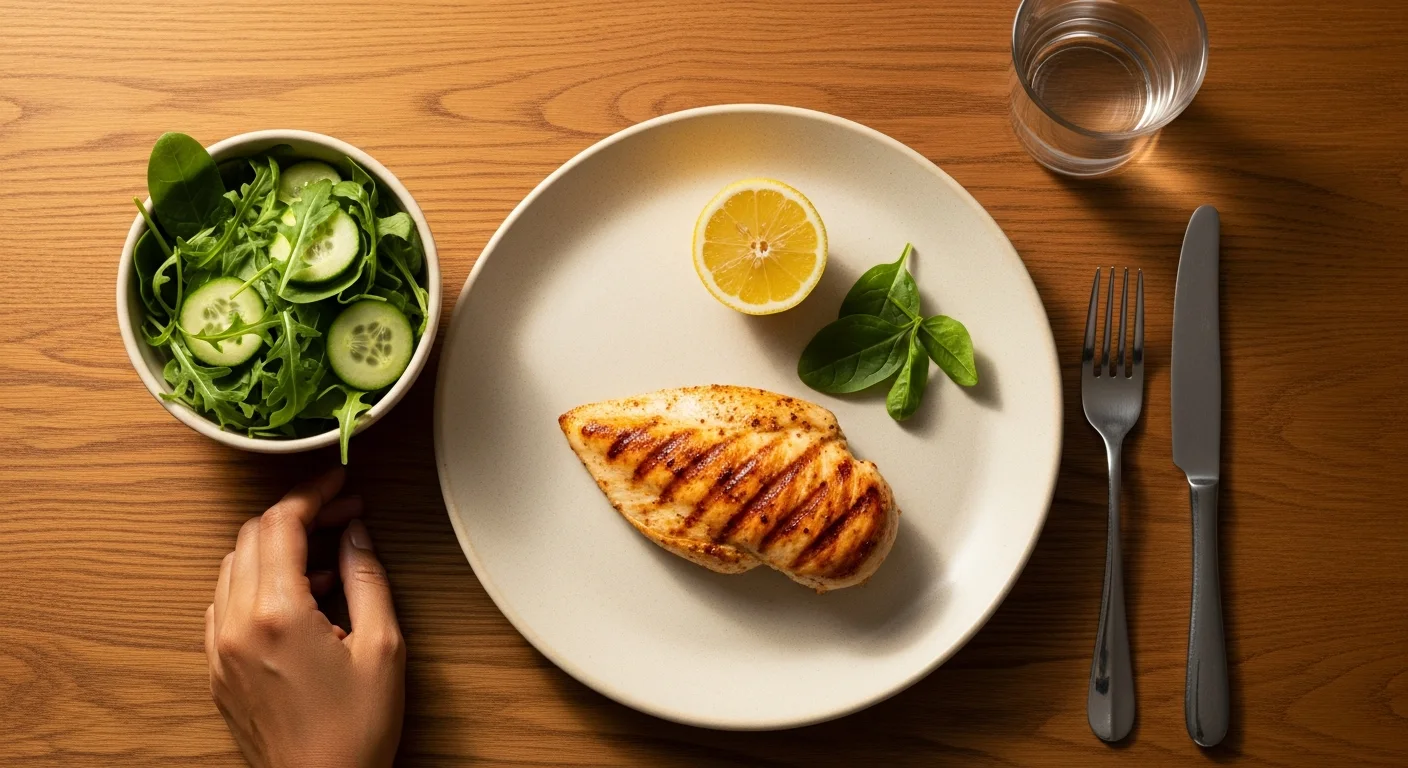
Protein is a fundamental building block for life, and its role during pregnancy cannot be overstated. Chicken is an excellent source of lean protein, which is vital for the development of fetal tissues and organs. It also supports the growth of the placenta and the increase in maternal blood volume. Beyond protein, chicken provides other essential nutrients like iron and certain vitamins, making it a valuable addition to a pregnancy diet. In my clinical experience, women who maintain a balanced diet with adequate protein intake tend to have healthier pregnancies.
Ensuring a healthy pregnancy involves not only consuming the right foods but also understanding how those foods impact your body and your developing baby. Chicken, when consumed safely, can contribute significantly to meeting the increased nutritional demands of pregnancy. As a fertility specialist, I often see patients who are concerned about their diet's impact on their fertility and pregnancy outcomes. A well-rounded diet, including lean protein sources like chicken, can positively influence both. It is important to note that while chicken offers many benefits, it should be part of a diverse dietary pattern. The ICMR (Indian Council of Medical Research) recommends a balanced diet with adequate protein intake for pregnant women.
Key Nutrients in Chicken for a Healthy Pregnancy
Chicken is more than just a tasty meal; it’s a nutritional powerhouse that offers several benefits during pregnancy. Here's a breakdown of the key nutrients and their roles:
- Protein: This is the most significant contribution. Protein is essential for the growth and repair of tissues, both for you and your baby. It's a building block for cells, hormones, and enzymes.
- Iron: Pregnancy increases your iron needs significantly. Chicken provides a source of iron, helping to prevent anemia, which is common during pregnancy. Iron is vital for carrying oxygen in your blood.
- B Vitamins: Chicken contains vitamins B6 and B12, which are crucial for energy production and nerve function. Vitamin B12 is particularly important for the development of the baby's nervous system.
- Choline: Found in higher concentrations in chicken liver, choline is important for brain development and function in both the mother and the baby.
- Zinc: Supports immune function and cell growth.
These nutrients collectively support a healthy pregnancy, contributing to the overall well-being of both the mother and the developing fetus. Patients often ask me about the best sources of these nutrients, and I always emphasize the importance of a balanced diet that includes lean protein sources like chicken.
Best Chicken Preparation Methods During Pregnancy (with comparison table)
The way you prepare chicken during pregnancy is just as important as including it in your diet. Safe cooking methods are crucial to eliminate the risk of foodborne illnesses. As a specialist, I always stress the importance of proper food handling and preparation to my patients.
| Preparation Method | Safety | Benefits | Considerations |
|---|---|---|---|
| Baking/Roasting | Safe if cooked to an internal temperature of 165°F (74°C). | Retains moisture and flavor; requires minimal added fats. | Ensure even cooking; use a meat thermometer to verify internal temperature. Avoid overcooking to prevent dryness. |
| Boiling/Poaching | Safe if cooked to an internal temperature of 165°F (74°C). | Healthiest option with no added fats; easy to digest. | Can result in a blander taste; consider adding herbs and spices to the cooking liquid for flavor. |
| Grilling | Safe if cooked to an internal temperature of 165°F (74°C). | Adds a smoky flavor; can be a healthy option if excess fat is trimmed. | Be cautious of charring, as charred portions may contain harmful compounds. Marinate chicken beforehand to prevent it from drying out. |
| Stir-frying | Safe if cooked to an internal temperature of 165°F (74°C). | Quick and versatile; allows for the addition of vegetables and healthy sauces. | Use minimal oil and avoid high-sodium sauces. Ensure all pieces of chicken are cooked evenly. |
| Deep Frying | Not recommended. | High in unhealthy fats; offers minimal nutritional benefits. | Should be avoided during pregnancy due to the high fat content and potential for digestive discomfort. |
| Slow Cooking | Safe if cooked to an internal temperature of 165°F (74°C) and held at that temperature for an adequate time. | Convenient and results in tender, flavorful chicken. | Ensure the chicken reaches a safe internal temperature and is not left at room temperature for an extended period before cooking. |
| Pressure Cooking | Safe if cooked to an internal temperature of 165°F (74°C). | Very fast cooking time. | Ensure the chicken reaches a safe internal temperature. |
Always remember that thorough cooking is non-negotiable. Use a meat thermometer to ensure the chicken reaches an internal temperature of 165°F (74°C). This kills harmful bacteria like Salmonella and Listeria.
How Chicken Nutrients Impact Fetal Development — Evidence
The nutrients in chicken play specific roles in supporting fetal development. Protein is crucial for building fetal tissues and organs. Iron is essential for preventing anemia in the mother and ensuring adequate oxygen supply to the fetus. B vitamins support the development of the nervous system and brain.
Research indicates that adequate protein intake during pregnancy is associated with healthier birth weights. Iron deficiency, on the other hand, can lead to preterm birth and low birth weight. The choline found in chicken liver is particularly important for the baby's brain and memory function. A systematic review of dietary interventions during pregnancy highlights the effectiveness of interventions delivered by nutrition professionals in improving dietary quality.
As a fertility specialist, I often discuss these nutritional impacts with my patients, emphasizing the importance of a well-balanced diet that includes nutrient-rich foods like chicken. It's not just about eating; it's about providing the right building blocks for a healthy pregnancy and a thriving baby.
Chicken Types and What to Avoid During Pregnancy
While chicken can be a healthy addition to your pregnancy diet, it's important to be mindful of the types of chicken you consume and preparation methods to avoid potential risks.
Safe Choices:
- Lean Chicken Breast: This is the healthiest option due to its high protein content and low fat.
- Chicken Thighs (Skinless): A good source of protein and iron, but slightly higher in fat than breast. Removing the skin reduces the fat content.
- Organic, Free-Range Chicken: These options are often raised without antibiotics and hormones, making them a potentially healthier choice.
What to Avoid:
- Processed Chicken: Avoid processed chicken products like nuggets, patties, and deli meats. These are often high in sodium, unhealthy fats, and additives.
- Cold, Cooked Chicken from Deli Counters: These can be contaminated with Listeria, a bacteria that can cause serious illness during pregnancy. The FSANZ (Food Standards Australia New Zealand) recommends that pregnant women avoid cold, cooked, ready-to-eat meats due to the risk of listeriosis.
- Undercooked Chicken: This is the biggest risk. Always ensure chicken is cooked thoroughly to an internal temperature of 165°F (74°C).
- Fried Chicken: While tempting, fried chicken is high in unhealthy fats and calories. It's best to avoid it during pregnancy or consume it very sparingly.
Patients often ask me about the safety of different types of chicken, and I always advise them to prioritize fresh, lean, and well-cooked options. Avoiding processed and potentially contaminated sources is key to a safe and healthy pregnancy.
Practical Tips and Daily Recommendations for Chicken Consumption
Here are some practical tips to safely incorporate chicken into your pregnancy diet:
- Choose Lean Cuts: Opt for skinless chicken breast to minimize fat intake.
- Cook Thoroughly: Use a meat thermometer to ensure the chicken reaches an internal temperature of 165°F (74°C).
- Practice Safe Food Handling: Wash your hands thoroughly before and after handling raw chicken. Use separate cutting boards and utensils for raw chicken and other foods to prevent cross-contamination.
- Store Properly: Store raw chicken in the refrigerator at or below 40°F (4°C). Cooked chicken should be refrigerated promptly and consumed within 1-2 days.
- Limit Processed Chicken: Avoid processed chicken products like nuggets, patties, and deli meats due to their high sodium and unhealthy fat content.
- Variety is Key: While chicken is a good source of protein, it's important to include other protein sources in your diet, such as fish, beans, and lentils.
Daily Recommendations:
- Aim for approximately 75-100 grams of cooked chicken per day to meet your protein needs. This can be adjusted based on your individual needs and other dietary sources of protein.
- Include chicken as part of a balanced meal with plenty of vegetables, whole grains, and healthy fats.
- Consider cooking chicken in bulk and using it in various dishes throughout the week, such as salads, soups, and stir-fries.
By following these tips, you can safely and effectively incorporate chicken into your pregnancy diet, ensuring you and your baby receive the essential nutrients you need.

When to Seek Professional Help
While general guidelines can be helpful, individual nutritional needs during pregnancy can vary. If you have specific dietary concerns, pre-existing health conditions, or are unsure about how to incorporate chicken safely into your diet, seeking professional guidance is always recommended. For personalised guidance, book a consultation with Dr. Rukkayal Fathima.

Dr. Rukkayal Fathima
MBBS, MS (OBG), MRCOG (UK), FRM (Kiel University)
Fertility Specialist, Obstetrician, Gynecologist & Laparoscopic Surgeon
Dr. Rukkayal Fathima is one of India's leading Gynaecologists and the best fertility doctor in Chennai. She has 12+ years of experience and treated 3000+ patients. She specialises in IVF, ICSI, TESA/Micro TESE, IUI, Early Pregnancy Scan, Menopause advice, and Gynaecological surgeries. She is a Co-founder & Director of Yaal Fertility and Women's Centre, the Best Fertility Center in Chennai.
Have Questions About Obstetrics Care?
Every situation is unique. Dr. Rukkayal Fathima provides personalised, evidence-based guidance across multiple locations in Chennai.
Frequently Asked Questions
Yes, when properly cooked and prepared, chicken is safe and beneficial during pregnancy. It provides essential nutrients like protein and iron, crucial for fetal development and maternal health. Always ensure the chicken is thoroughly cooked to avoid foodborne illnesses.
To ensure safety, cook chicken to an internal temperature of 165°F (74°C). Use a food thermometer to check. Avoid raw or undercooked chicken. Practice good kitchen hygiene by washing hands and using separate cutting boards to prevent cross-contamination.
Chicken is a rich source of protein, essential for building and repairing tissues, and iron, crucial for preventing anemia and supporting the increased blood volume during pregnancy. It also provides vitamins like B6 and B12, contributing to overall health and energy levels.
Chicken liver can be a good source of choline, important for the baby's brain development. However, it's high in vitamin A, so consume it in moderation. Too much vitamin A can be harmful during pregnancy. Consult your doctor for personalized advice.
Pregnant women should avoid cold, cooked, ready-to-eat chicken and processed chicken meat from deli counters due to the risk of Listeria contamination. Always opt for freshly cooked chicken to minimize the risk of foodborne illnesses.
Pregnant women generally need around 1.1g of protein per kilogram of body weight daily, with increased needs in the second and third trimesters. Chicken is an excellent source of lean protein; a cup of cooked chicken breast provides a significant portion of your daily protein requirements.
Consult Dr. Rukkayal in Chennai
Available at 4 fertility clinic locations across Chennai. Walk-ins welcome; appointments preferred.
No. 747, Poonamallee High Road, Alagappa Nagar, Kilpauk, Chennai – 600 010
No. 149/1, Luz Church Road, Bhaskarapuram, Mylapore, Chennai – 600 004
No. 95, Plot No. 1, Velachery Main Road, Devi Karumariamman Nagar, Pallikaranai, Chennai – 600 100
Dr. Rukkayal is also a visiting consultant at Apollo Hospital, Motherhood Hospital, Cloud Nine Hospital, MGM Hospital, Metha Hospital and St. Isabel Hospital in Chennai. View all clinic locations