8 Best Foods for Baby Brain Development During Pregnancy

This article is part of our guide on Obstetrics Care in Chennai — see the full treatment overview, success rates, and costs.
Pregnancy is a transformative journey, and ensuring optimal nutrition is crucial for your baby's brain development. The right foods can provide the essential nutrients needed for healthy neurological growth. As a fertility specialist practising across multiple locations in Chennai, I often guide expectant mothers on how to nourish themselves and their babies effectively. This blog post will explore which foods support fetal brain development and how to incorporate them into your daily diet.

The Link Between Nutrition and Fertility
Good nutrition isn't just important during pregnancy; it's a cornerstone of overall fertility for both men and women. A balanced diet rich in essential vitamins, minerals, and antioxidants can significantly impact reproductive health, increasing the chances of conception and supporting a healthy pregnancy. For women, adequate intake of folate, iron, and vitamin D is crucial for ovulation and implantation. For men, nutrients like zinc, selenium, and vitamin C can improve sperm quality and motility. As I often advise my patients, focusing on a nutritious diet is a proactive step toward building a family, even before conception.
Key Nutrients for Baby Brain Development
Several key nutrients play a vital role in fetal brain development. These nutrients contribute to the formation of brain structures, neuronal connections, and overall cognitive function. Ensuring adequate intake of these nutrients is essential for supporting your baby's brain health.
- Folate/Folic Acid: Folate is crucial for neural tube formation, which occurs in the early weeks of pregnancy, often before a woman even knows she's pregnant. Adequate folate intake helps prevent neural tube defects like spina bifida. The recommended intake is 400 mcg daily before pregnancy, increasing to 600 mcg during pregnancy.
- Choline: Choline is essential for early brain development, memory, and learning. It's needed for the production of healthy cells and cell signaling and is involved in making neurotransmitters that support mood and memory. The recommended intake is 450 mg/day during pregnancy.
- Iodine: Iodine is needed for the production of thyroid hormones, which are vital to brain development and neurological processes. The recommended intake is 220 mcg/day during pregnancy.
- Iron: Iron is important for the baby's growth and brain development. Maternal iron deficiency during pregnancy is associated with adverse outcomes for infants and children in cognitive, memory, motor, and language functioning. The recommended intake is 27 mg/day during pregnancy.
- Omega-3 Fatty Acids (DHA and EPA): These are important for healthy eye, brain, and nervous system development. Too little omega-3 during this crucial time is associated with a higher risk of ADD and ADHD. Aim for at least 200 mg of DHA daily, with many experts suggesting 300-500 mg for optimal brain development.
- Vitamin D: Vitamin D helps calcium build the baby's bones and teeth. All women, pregnant or not, should be getting 600 IU of vitamin D per day.
Best Foods for Baby Brain Development (with Comparison Table)
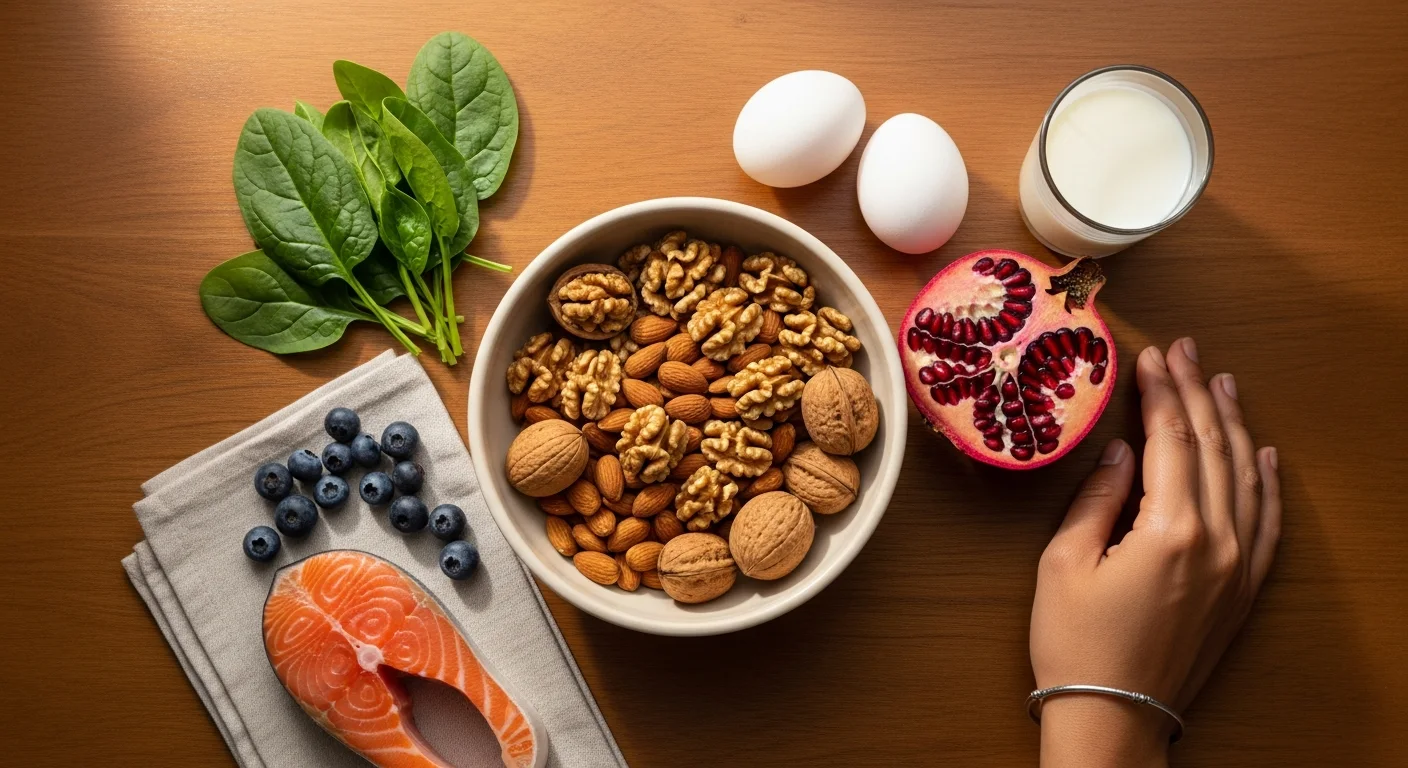
Incorporating a variety of nutrient-rich foods into your diet is the best way to ensure you're getting the essential nutrients for your baby's brain development. Here's a comparison table of some of the best foods and their key nutrients:
| Food | Key Nutrients | Serving Size | Approximate Nutrient Content |
|---|---|---|---|
| Salmon | Omega-3 Fatty Acids (DHA), Protein, Vitamin D | 3 oz | ~1200-2400mg Omega-3s, ~22g Protein, ~450 IU Vitamin D |
| Eggs | Choline, Protein, Folate | 2 large | ~250mg Choline, ~13g Protein, ~46 mcg Folate |
| Spinach | Folate, Iron, Vitamin K | 1 cup | ~194 mcg Folate, ~1mg Iron, ~145 mcg Vitamin K |
| Greek Yogurt | Protein, Calcium, Iodine | 1 cup | ~20g Protein, ~200mg Calcium, ~116 mcg Iodine (if iodized) |
| Lentils | Folate, Iron, Protein | 1/2 cup | ~179 mcg Folate, ~3mg Iron, ~9g Protein |
| Fortified Cereal | Folate, Iron | 1 cup | Varies, check label (often provides 100% of daily folate and iron needs) |
| Almonds | Vitamin E, Magnesium | 1 oz (23) | ~7.3mg Vitamin E, ~76mg Magnesium |
| Beef (Lean) | Iron, Protein, Vitamin B12 | 3 oz | ~3mg Iron, ~25g Protein, ~2.5 mcg Vitamin B12 |
This table provides a quick reference for incorporating these brain-boosting foods into your pregnancy diet. Remember to consult with your doctor or a registered dietitian for personalized dietary recommendations.
How Key Nutrients Impact Fetal Brain Development – The Evidence
The impact of specific nutrients on fetal brain development is well-documented in medical research. Studies have shown that deficiencies in key nutrients can lead to adverse neurodevelopmental outcomes.
- Folate: Maternal folate deficiency is associated with smaller total brain volume, altered cortical thickness, and changes in cerebral white matter in children. Supplementation with folic acid has been shown to significantly reduce the risk of neural tube defects.
- Choline: Choline supplementation during pregnancy has been linked to improved cognitive function and memory in offspring. Choline plays a critical role in the development of the hippocampus, the brain region responsible for memory.
- Iodine: Iodine deficiency during pregnancy can lead to impaired cognitive development and lower IQ scores in children. Ensuring adequate iodine intake is crucial for thyroid hormone production, which is essential for brain development.
- Iron: Maternal iron deficiency anemia is associated with adverse outcomes for infants and children in cognitive, memory, motor, and language functioning. Iron is essential for oxygen transport and brain cell development.
- Omega-3 Fatty Acids (DHA): DHA is a major structural component of the brain and is essential for neuronal growth and function. Studies have shown that higher maternal DHA intake is associated with improved cognitive and visual development in infants. A study published in The American Journal of Clinical Nutrition found that better maternal diet quality during pregnancy was linked to larger brain volumes in children at age 10.
As a fertility specialist, I emphasise the importance of preconception counselling to address modifiable risk factors and provide education about healthy pregnancy.
Practical Tips and Daily Recommendations
Here are some practical tips and daily recommendations to help you incorporate these essential nutrients into your diet:
- Focus on a Varied Diet: Eat a rainbow of fruits and vegetables to ensure you're getting a wide range of vitamins and minerals.
- Include Protein at Every Meal: Protein is essential for growth and development. Include lean meats, poultry, fish, eggs, beans, or lentils at each meal.
- Choose Whole Grains: Opt for whole grains like brown rice, quinoa, and whole-wheat bread over refined grains.
- Don't Skip Breakfast: Start your day with a nutritious breakfast that includes protein, healthy fats, and complex carbohydrates.
- Stay Hydrated: Drink plenty of water throughout the day to support overall health and nutrient absorption.
- Consider a Prenatal Vitamin: A prenatal vitamin can help fill any nutritional gaps in your diet.
In my clinical experience, patients who follow these guidelines report feeling more energised and confident about their pregnancy.
Foods and Habits to Avoid
Certain foods and habits can negatively impact fetal brain development and should be avoided during pregnancy:
- High-Mercury Fish: Avoid shark, swordfish, king mackerel, and tilefish, as they contain high levels of mercury, which can be harmful to the developing brain.
- Processed Foods: Limit processed foods high in sugar, unhealthy fats, and artificial additives.
- Excessive Caffeine: Limit caffeine intake to no more than 200 mg per day.
- Alcohol: Avoid alcohol completely during pregnancy, as it can cause fetal alcohol syndrome and other developmental problems.
- Unpasteurized Dairy Products: Avoid unpasteurized milk and cheese, as they may contain harmful bacteria.
Research at Oregon Health & Science University (2025) indicated that a high-glycemic index diet during the third trimester may be associated with a higher risk for mental health disorders in offspring.
Beyond Nutrition: A Holistic Approach
While nutrition is crucial, it's essential to take a holistic approach to pregnancy health. This includes:
- Regular Exercise: Engage in moderate exercise, such as walking or swimming, to promote overall health and well-being.
- Adequate Sleep: Aim for 7-9 hours of sleep per night to support physical and mental health.
- Stress Management: Practice relaxation techniques, such as yoga or meditation, to manage stress.
- Prenatal Care: Attend all scheduled prenatal appointments to monitor your health and your baby's development.
As I often tell my patients in Chennai, a healthy pregnancy is a journey that involves nurturing your body and mind.
When to Seek Professional Help
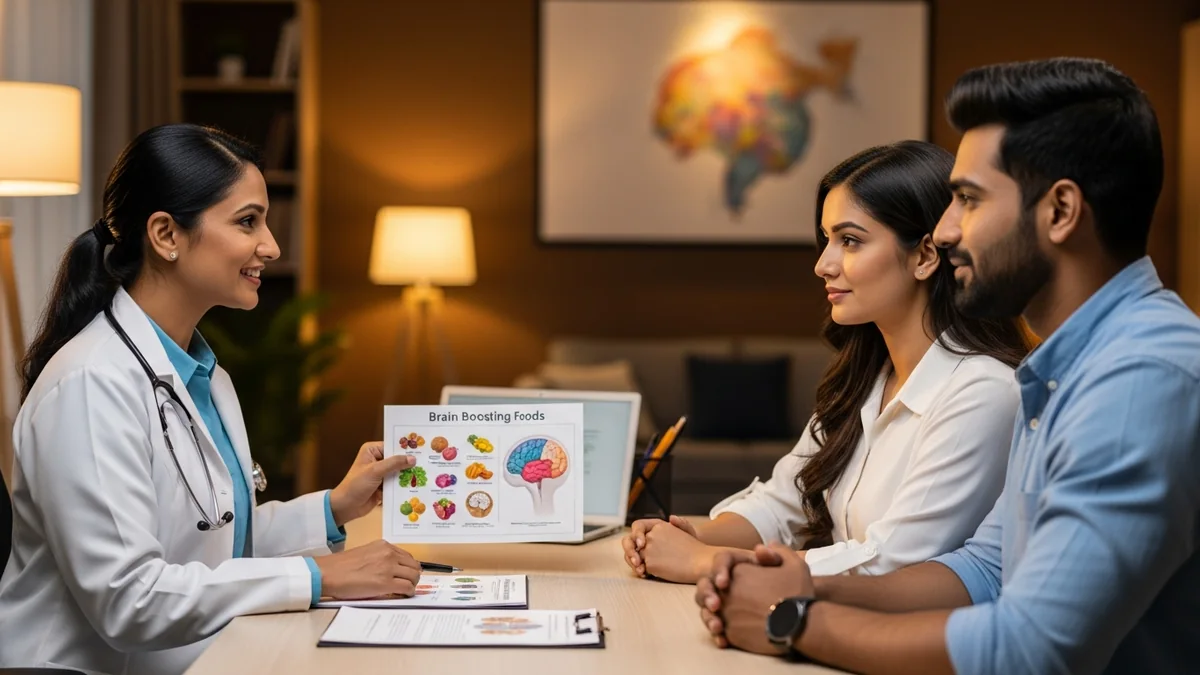
While this blog post provides general information, it's essential to seek personalized advice from a healthcare professional. If you have concerns about your diet, nutritional deficiencies, or any other health issues during pregnancy, consult with your doctor or a registered dietitian. For personalised guidance, book a consultation with Dr. Rukkayal Fathima.
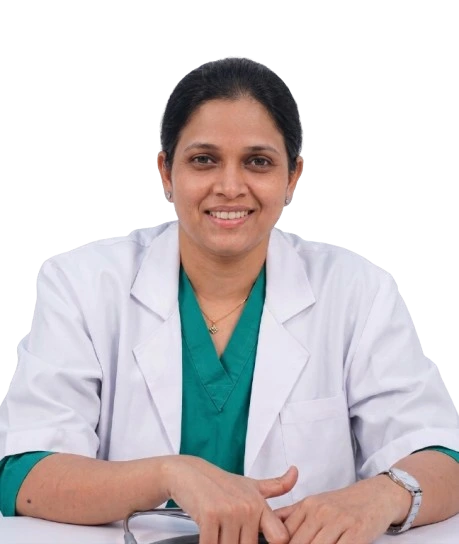
Dr. Rukkayal Fathima
MBBS, MS (OBG), MRCOG (UK), FRM (Kiel University)
Fertility Specialist, Obstetrician, Gynecologist & Laparoscopic Surgeon
Dr. Rukkayal Fathima is one of India's leading Gynaecologists and the best fertility doctor in Chennai. She has 12+ years of experience and treated 3000+ patients. She specialises in IVF, ICSI, TESA/Micro TESE, IUI, Early Pregnancy Scan, Menopause advice, and Gynaecological surgeries. She is a Co-founder & Director of Yaal Fertility and Women's Centre, the Best Fertility Center in Chennai.
Have Questions About Obstetrics Care?
Every situation is unique. Dr. Rukkayal Fathima provides personalised, evidence-based guidance across multiple locations in Chennai.
Frequently Asked Questions
Focus on foods rich in folate, choline, iodine, iron, omega-3 fatty acids (DHA), and protein. Good choices include leafy greens, eggs, seafood, dairy, lean meats, and fortified grains. A varied diet is key, but supplementation might be needed to meet specific nutrient targets.
Aim for at least 200 mg of DHA daily. Many experts suggest 300-500 mg for optimal brain development. Fatty fish like salmon and mackerel are excellent sources. If you don't eat fish, consider a DHA supplement derived from algae.
Limit or avoid high-mercury fish (shark, swordfish, king mackerel, tilefish), processed foods high in sugar and unhealthy fats, and excessive caffeine. Always avoid alcohol. These can negatively impact fetal brain development.
Prenatal vitamins are important, but they shouldn't replace a healthy diet. Focus on nutrient-rich foods first. Vitamins supplement your intake, ensuring you meet the recommended daily allowances for key nutrients like folate, iron, and iodine.
The third trimester is a critical period for brain growth. Ensure adequate intake of DHA, choline, and iron during this time. A high-glycemic index diet in the third trimester may be associated with a higher risk for mental health disorders in offspring, so focus on whole, unprocessed foods.
Try eating smaller, more frequent meals. Focus on the foods you can tolerate and find ways to sneak in nutrients. For example, add spinach to smoothies or choose fortified cereals. Consult with a dietician for personalized advice if your aversions are severe.
Consult Dr. Rukkayal in Chennai
Available at 4 fertility clinic locations across Chennai. Walk-ins welcome; appointments preferred.
No. 747, Poonamallee High Road, Alagappa Nagar, Kilpauk, Chennai – 600 010
No. 149/1, Luz Church Road, Bhaskarapuram, Mylapore, Chennai – 600 004
No. 95, Plot No. 1, Velachery Main Road, Devi Karumariamman Nagar, Pallikaranai, Chennai – 600 100
Dr. Rukkayal is also a visiting consultant at Apollo Hospital, Motherhood Hospital, Cloud Nine Hospital, MGM Hospital, Metha Hospital and St. Isabel Hospital in Chennai. View all clinic locations