Are IVF Babies Healthy? Facts & Reassurance for Parents
This article is part of our guide on IVF Treatment in Chennai — see the full treatment overview, success rates, and costs.
The decision to pursue In Vitro Fertilisation (IVF) is often filled with hope, but it also brings many questions, especially about the health of future children. As a fertility specialist, I frequently hear concerns from couples in Chennai asking, "Are IVF babies healthy?" The reassuring answer is that, overwhelmingly, most IVF babies are normal and healthy, developing just like children conceived naturally. While research has identified some minor differences in health outcomes, these are often nuanced and influenced by various factors, many of which can be managed.
In my clinical experience, guiding thousands of couples through their fertility journey, the focus is always on achieving a healthy pregnancy and a healthy baby. Let's delve into the evidence-based facts to provide you with a clear understanding and peace of mind.
Are IVF Babies Normal and as Healthy as Naturally Conceived Children?
For many parents considering or undergoing IVF, the primary concern is whether their child will be "normal." The good news is that the vast majority of children conceived through Assisted Reproductive Technologies (ART), including IVF, thrive and have similar health and developmental trajectories as their naturally conceived peers. A significant 2024 Japanese study, for instance, followed over 2,000 IVF babies up to age 9 and found no significant long-term health differences. Similarly, Australian research has shown that some childhood adverse health outcomes in ART-conceived individuals may even resolve by adulthood.
While we acknowledge minor, statistically significant differences in certain areas, it's crucial to understand that these often represent small absolute increases in risk. The overall picture painted by decades of research is one of positive outcomes, with ART providing a safe and effective pathway to parenthood for millions worldwide. My goal is always to empower patients with accurate information, allowing them to make informed decisions about their fertility treatment.
Unpacking the Data: What Current Research Says About IVF Baby Health Outcomes
When we look at comprehensive research, it's important to consider the nuances. Studies involving large populations have identified some differences in health outcomes for babies conceived via ART compared to naturally conceived children. These differences are often subtle and can be influenced by factors such as the underlying cause of infertility, parental health, and the specific ART procedures used. Understanding these findings helps us provide the best possible care and support to our patients.
Perinatal Differences: Birth Weight, Preterm Birth, and Early Development
One of the most consistently observed differences in IVF singletons (babies born from a single pregnancy) relates to their perinatal outcomes – health around the time of birth. A large systematic review and meta-analysis of 52 studies, including over 180,000 ART pregnancies, highlighted these disparities:
- Preterm birth (born before 37 weeks): Approximately 4.5% higher in ART singletons compared to naturally conceived children.
- Very preterm birth (born before 32 weeks): Approximately 1.2% higher in ART singletons.
- Low birth weight (under 2.5 kg): Approximately 2.9% higher in ART singletons.
- Very low birth weight (under 1.5 kg): Approximately 1.0% higher in ART singletons.
- Small-for-gestational-age: Approximately 1.4% higher in ART singletons.
- Perinatal mortality: Approximately 0.4% higher in ART singletons.
These numbers, while statistically significant, represent relatively small absolute increases in risk. Many of these outcomes are often linked to factors like the higher rate of multiple pregnancies (though single embryo transfer is now strongly recommended) and underlying parental health issues that necessitated IVF in the first place.
Congenital Anomalies: Understanding the Marginally Increased Risk
Another area of focus in research is the risk of congenital anomalies (birth defects) in IVF babies. Studies suggest a marginally higher risk, though it remains low overall. A large European study published in the European Heart Journal (September 2024) found that the risk of a major heart defect was 36% higher in babies conceived after ART (absolute risk of 1.84% versus 1.15% in naturally conceived). This risk was particularly noted in multiple births, emphasizing the importance of single embryo transfer.
A comprehensive meta-analysis of 113 studies also concluded that ART-conceived children have a slightly higher risk of congenital anomalies, with an increase of about 1.8% compared to controls. Subgroup analyses indicated a slightly higher risk for children conceived via ICSI (Intracytoplasmic Sperm Injection), Day 3 embryo transfer, and fresh embryo transfer, compared to conventional IVF, Day 5 transfer, or frozen embryo transfer (FET). These findings guide fertility specialists in making informed decisions about the most appropriate treatment protocols for each patient.
Do IVF Babies Have Problems Later in Life? Long-Term Health Considerations
Concerns about the long-term health of IVF children are natural. Parents often ask if these children will face unique challenges in their adolescence or adulthood. The good news is that extensive research tracking IVF-conceived individuals into adulthood has largely been reassuring. While some studies have identified minor differences in certain health markers, many of these tend to normalise over time, and the overall health and well-being of ART-conceived adults are comparable to their naturally conceived counterparts.
For instance, the Raine Study in Western Australia, which followed IVF-conceived teenagers, found no significant differences in growth, respiratory health, or cardiovascular and metabolic risks by adulthood. This long-term perspective is crucial for providing comprehensive reassurance to aspiring parents.
Addressing Specific Concerns: Asthma, Blood Pressure, and Cancer Risk
While the overall long-term outlook is positive, some specific areas have shown nuanced findings:
- Asthma: A meta-analysis of 14 studies found a slightly increased risk of asthma in ART offspring (Relative Risk, 1.28). This means that while the absolute risk remains low, IVF-conceived children might have a 28% higher chance of developing asthma compared to naturally conceived children.
- Blood Pressure: Some studies suggest a minor, statistically significant increase in both systolic and diastolic blood pressure in IVF/ICSI-conceived offspring. However, these differences are often small and may not translate to clinical hypertension in adulthood.
- Cancer Risk: Mounting evidence suggests that frozen embryo transfer (FET) may be associated with a marginally increased risk of certain childhood cancers. One Danish cohort study observed an increased cancer risk (Hazard Ratio, 2.43) among FET offspring, while a meta-analysis reported an increased paediatric cancer incidence in FET offspring (Relative Risk, 1.37) compared with spontaneously conceived controls. This area requires further research, but the absolute risk remains very low.
It's important to remember that many of these observed differences are small and often influenced by the underlying parental infertility factors, genetic predispositions, and the specific ART methods used.
Minimizing Risks: How Fertility Specialists Optimize Outcomes for IVF Children
As a fertility specialist, my priority is not just to help you conceive, but to help you have a healthy pregnancy and a healthy baby. The medical community, guided by organisations like the American Society for Reproductive Medicine (ASRM), the European Society of Human Reproduction and Embryology (ESHRE), and NICE (National Institute for Health and Care Excellence), continuously refines practices to minimise potential risks associated with ART. We understand that underlying parental health conditions, such as advanced maternal age, obesity, PCOS, or endometriosis, can independently contribute to adverse pregnancy and offspring outcomes. Therefore, a holistic approach is key.
Our approach in Chennai involves comprehensive pre-IVF screening to identify and manage any existing health conditions in both partners. We also stay updated with the latest research and clinical guidelines to ensure that the treatment protocols are tailored to each individual, focusing on optimising outcomes while minimising risks.
The Role of Single Embryo Transfer and Personalized Care
One of the most significant advancements in reducing risks for IVF babies is the widespread adoption of Single Embryo Transfer (SET). NICE guidelines strongly recommend SET to reduce the risks associated with multiple pregnancies (twins, triplets), which are the biggest contributors to preterm birth, low birth weight, and other complications in ART children. By transferring one high-quality embryo, we significantly improve the chances of a healthy singleton pregnancy.
In my practice, my direct involvement in the IVF laboratory, personally selecting and grading embryos under magnification, allows for a truly integrated approach. This ensures that clinical decisions and laboratory decisions are made by the same doctor, optimising the choice of the best embryo for transfer, which is crucial for successful and healthy outcomes. This personalized approach, coupled with comprehensive patient counselling and meticulous monitoring throughout the treatment and pregnancy, is fundamental to improving outcomes. We discuss the benefits of strategies like SET and the nuances of fresh versus frozen embryo transfer, considering factors such as 4AA embryo success rate and overall embryo quality.
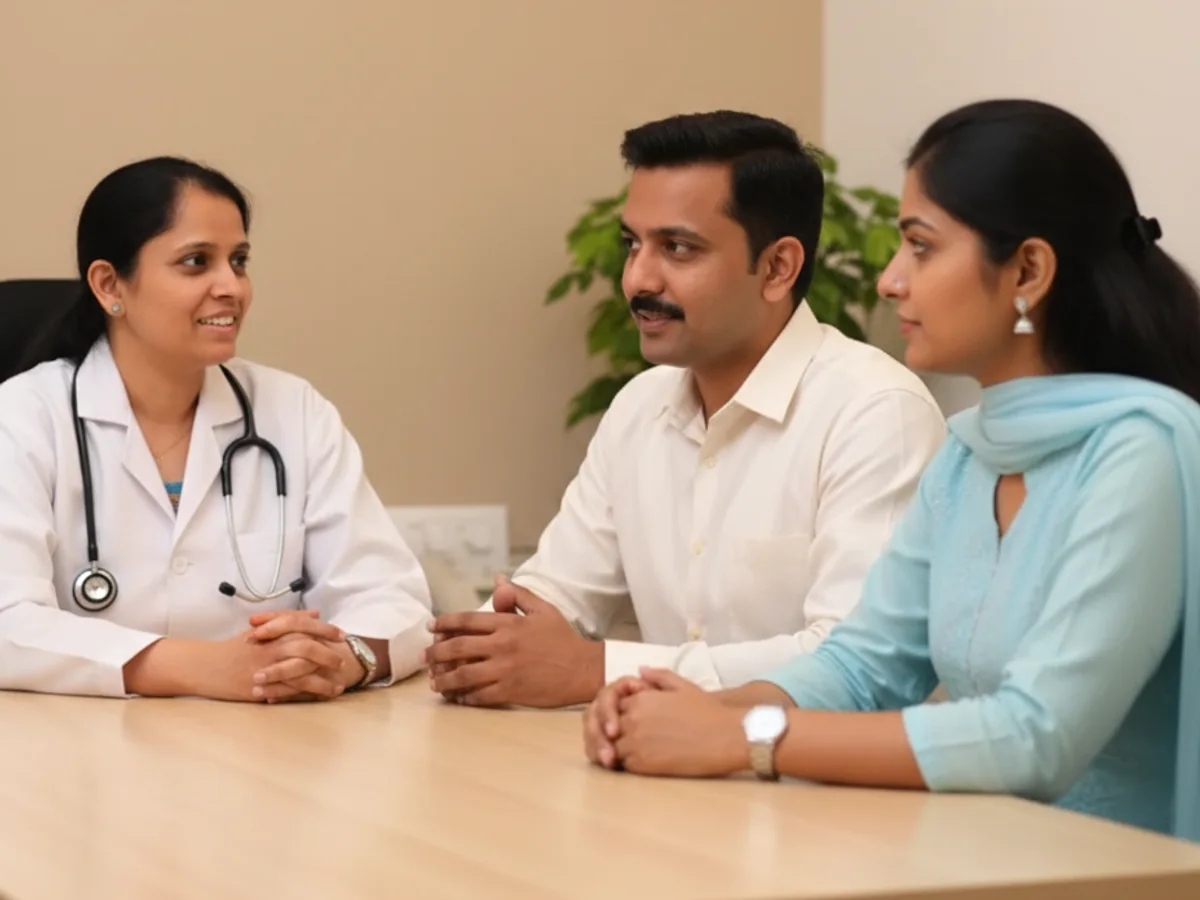
Your Journey to a Healthy Family: Expert Guidance from Dr. Rukkayal Fathima in Chennai
Embarking on a fertility journey can be emotionally challenging, and it's natural to have questions and concerns about the health of your future child. What the evidence overwhelmingly shows is that the vast majority of IVF babies are healthy, happy, and thrive, indistinguishable from their naturally conceived peers. While small, statistically significant risks exist for certain outcomes, these are often manageable, and the medical community is constantly working to refine treatments and improve success rates.
My commitment is to provide you with the most advanced, evidence-based fertility care available, right here in Chennai. With international training and extensive experience with over 3000 couples and 3000 IVF cycles, I am dedicated to helping you achieve your dream of a healthy family. If you have further questions or wish to discuss your unique situation, remember that personalised guidance is just a conversation away. You can find me consulting across the seven Yaal Fertility centres in Chennai, including Kilpauk, Mylapore and Thiruvanmiyur. For personalised guidance, book a consultation with Dr. Rukkayal Fathima.
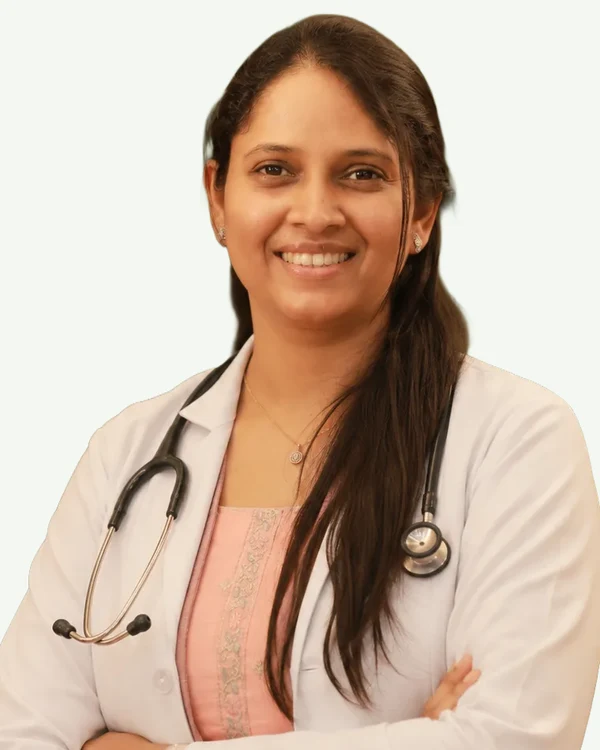
Dr. Rukkayal Fathima
MBBS, MS (OBG), MRCOG (UK), FRM (Kiel University)
Fertility Specialist, Obstetrician, Gynecologist & Laparoscopic Surgeon
Dr. Rukkayal Fathima is a fertility specialist, obstetrician and gynaecologist in Chennai. She has 15+ years of experience and treated 3000+ patients. She specialises in IVF, ICSI, TESA/Micro TESE, IUI, Early Pregnancy Scan, Menopause advice, and Gynaecological surgeries. She is the Founder & Director of Yaal Fertility and Women's Centre, which runs 7 fertility centres across Chennai.
Have Questions About IVF Treatment?
Every situation is unique. Dr. Rukkayal Fathima provides personalised, evidence-based guidance across multiple locations in Chennai.
Frequently Asked Questions
Most IVF babies are healthy and develop normally, comparable to naturally conceived children. While some studies note minor differences in perinatal outcomes like birth weight or preterm birth, these are often linked to underlying parental factors rather than IVF itself. Overall, the outlook is very positive.
There's a marginally higher, but still low, risk of certain congenital anomalies (e.g., heart defects) in IVF babies compared to naturally conceived children. This increase is often small, around 1-2%, and ongoing research helps us understand contributing factors and minimize risks through careful screening and treatment choices.
Long-term studies show that most IVF children have good health into adulthood. Some research suggests slightly altered risks for conditions like asthma or blood pressure, but these are often minor and require further investigation. Many observed differences tend to resolve by adolescence or adulthood.
Fertility specialists recommend practices like single embryo transfer (SET) to avoid multiple pregnancies, thorough pre-IVF screening, and personalized care to optimize outcomes. Addressing parental health conditions (like PCOS or diabetes) before and during pregnancy is also crucial for a healthy baby.
FET has been associated with a slightly higher risk of larger birth weight babies and, in some studies, a marginally increased risk of certain cancers. However, FET also reduces risks like preterm birth and low birth weight compared to fresh transfers, making it a valuable and often safer option.
Yes, IVF singletons have a slightly higher risk of preterm birth (around 4.5% higher) and low birth weight (around 2.9% higher) compared to naturally conceived singletons. This is often influenced by underlying infertility causes, specific ART procedures, and the higher incidence of multiple pregnancies.
Consult Dr. Rukkayal at Yaal Fertility, Chennai
Dr. Rukkayal is the Founder & Director of Yaal Fertility and Women's Centre and consults at all 7 Yaal centres. Walk-ins welcome; appointments preferred.
Full hospital · IVF lab & ICU
No. 747, Poonamallee High Road, Alagappa Nagar, Kilpauk, Chennai – 600 010
Theatre & recovery
First Floor, Kumar Towers, Bus Depot, Opp. Padianallur, PT Murthy Nagar, Padiyanallur, Red Hills, Chennai – 600 052
IVF lab & theatre
2nd Floor, Dr. Mehta's Global Campus, No. 50, Poonamallee High Road, Velappanchavadi, Thiruverkadu, Chennai – 600 077
Consultation & andrology lab
No. 149/1, Luz Church Road, Bhaskarapuram, Mylapore, Chennai – 600 004
IVF lab & theatre
Second Floor, No. 1, 3rd Street, Malaviya Avenue, Thiruvanmiyur, Chennai – 600 041
Consultation & andrology lab
No. 95, Plot No. 1, Velachery Main Road, Devi Karumariamman Nagar, Pallikaranai, Chennai – 600 100
Consultation & andrology lab
3/5, Kannan Nagar 3rd Main Road, Vigneshwar Nagar, Madipakkam, Chennai – 600 091
Book any centre on the Yaal line, +91 75500 06704. Compare all Yaal centres