IVF Age Limit in India: What You Need to Know
This article is part of our guide on IVF Treatment in Chennai — see the full treatment overview, success rates, and costs.
Embarking on the journey of fertility treatment can bring many questions, and one of the most common concerns I hear from patients in Chennai is about the ideal age for IVF (In Vitro Fertilisation) and whether there's a strict age limit. The good news is that India has a clear legal framework for IVF, and while age is a significant factor in success, there are robust options available for hopeful parents across various age groups.
The Legal Framework: What is the IVF Age Limit in India for Women and Men?
To ensure responsible and ethical fertility practices, India has established specific age limits for assisted reproductive technologies (ART). As per the Assisted Reproductive Technology (Regulation) Act, 2021, the legal IVF age limit in India for women seeking treatment with their own eggs is 21 to 50 years. For men, the upper age limit is 55 years. This means that if you fall within these age brackets, you are legally eligible to pursue IVF treatment in the country. These regulations are in place to safeguard the health of both the prospective mother and the child, considering the potential risks associated with advanced age during pregnancy and ensuring parents are capable of raising a child to adulthood. It's also important to note that for egg donors, the ART Act specifies an age range of 23 to 35 years.
Beyond the Law: The "Best Age for IVF" and Why Biology Matters
While legal age limits provide a framework, biological factors play a crucial role in determining the actual chances of success. In my clinical experience, the "best age for IVF" for women, offering the highest success rates with their own eggs, is generally before 35. This is because female fertility naturally begins to decline in the mid-30s, and this biological clock significantly impacts the quality and quantity of eggs available for fertilisation. Understanding these biological realities helps us tailor the most effective treatment plan for each couple, providing realistic expectations and exploring all available options.
How Age Affects Egg Quality and Ovarian Reserve
The primary reason for declining fertility with age is the natural decrease in a woman's ovarian reserve – the total number of healthy eggs remaining in her ovaries – and the deterioration of egg quality. Women are born with all the eggs they will ever have, and this supply diminishes over time. After the age of 37, this decline accelerates significantly.
- Decreased Ovarian Reserve: Tests like Anti-Müllerian Hormone (AMH) levels, Follicle Stimulating Hormone (FSH) levels, and Antral Follicle Count (AFC) help us assess your ovarian reserve. As you age, AMH levels typically fall, and FSH levels may rise, indicating fewer eggs.
- Reduced Egg Quality: More critically, older eggs are more prone to chromosomal abnormalities (aneuploidy). The risk of these errors dramatically increases from about 30% in younger women to up to 90% by the late 40s. These abnormalities lead to lower implantation rates, a higher risk of miscarriage, and an increased chance of genetic disorders in offspring. This is why Dr. Rukkayal, with her direct IVF lab expertise, personally oversees embryo selection and grading under magnification, ensuring the best possible embryos are chosen for transfer.
IVF Success Rates by Age in India: What Are Your Chances?
It's natural to wonder about your personal chances of success. While individual outcomes vary, aggregated data from fertility clinics, including my own practice in Chennai, consistently show a clear trend in IVF success rates based on age when using a woman's own eggs. These figures represent live birth rates per cycle and are crucial for informed decision-making.
- Under 30 years: Highest success rates, often ranging from 50% to 65% per cycle.
- 30-34 years: Success rates remain strong, typically around 40% to 55% per cycle.
- 35-37 years: Chances begin to dip, averaging 30% to 45% per cycle.
- 38-40 years: Success rates decline further to about 20% to 32% per cycle.
- 41-42 years: Success rates often fall below 10% to 20% per cycle with own eggs.
- Above 42-43 years: Success rates are significantly low, often less than 5-10% per cycle with own eggs. Live births are rare at age 44 and above using the female partner's eggs.
It's important to remember that these are general statistics. My practice has achieved a realistic 65%+ IVF success rate across diverse patient profiles. For women over 42, especially those nearing 50, donor eggs are often recommended due to the diminished quality and quantity of their own eggs. Donor egg IVF consistently delivers much higher live birth rates, ranging from 50% to 75% per cycle, largely independent of the recipient's age, as the eggs come from younger, healthy donors (typically 23-35 years old).
Navigating IVF After 40: Special Considerations and Options in Chennai
For women considering IVF after 40, the journey often requires a more nuanced approach. While the legal limit allows treatment up to 50, the biological challenges mean we must explore all viable options to maximise your chances. Many international guidelines, like those from NICE (UK), recommend offering one full cycle of IVF to women aged 40-42 under specific conditions, acknowledging the reduced success rates.
In my practice across Chennai, when counselling patients over 40, we often discuss advanced diagnostic tools like preimplantation genetic testing for aneuploidy (PGT-A). This allows us to screen embryos for chromosomal abnormalities before transfer, helping to select the healthiest embryos and improve success rates, especially when egg quality is a concern. However, PGT-A still requires viable embryos to test. For many, especially those over 42-43, donor egg IVF becomes a highly effective and recommended pathway. By using eggs from younger, carefully screened donors, we can bypass the age-related decline in egg quality, offering significantly higher chances of a successful pregnancy and a healthy baby. My experience with over 3000 IVF cycles has shown that with the right approach, parenthood is very much within reach.
Understanding Risks and Challenges with Advanced Maternal Age
While modern fertility treatments and advancements have opened doors for older hopeful parents, it's crucial to have a clear understanding of the potential risks associated with advanced maternal age, both for the mother and the baby. My role as your fertility specialist is to ensure you are fully informed to make the best decisions.
For the mother, pregnancy at an older age (generally considered 35 and above, but risks increase significantly after 40) can lead to:
- Gestational diabetes: ~2-3 times higher risk compared to younger mothers.
- Pre-eclampsia: Increased risk of high blood pressure during pregnancy.
- Caesarean section (C-section): Higher likelihood of needing a surgical delivery.
- Placenta praevia or abruption: Increased risk of placental complications.
For the baby, risks associated with advanced maternal age include:
- Preterm birth: ~1.7 times higher risk of being born before 37 weeks.
- Low birth weight: Higher chance of the baby weighing less than 2.5 kg.
- Chromosomal abnormalities: Significantly increased risk of conditions like Down syndrome, as discussed earlier due to egg quality.
- Stillbirth: A slightly elevated risk.
Comprehensive pre-conception counselling and meticulous antenatal care, like the high-risk pregnancy care offered in my practice, are essential to manage and mitigate these risks effectively.
Maximising Your IVF Chances at Any Age: Dr. Rukkayal's Approach in Chennai
Regardless of your age, my goal is to help you achieve your dream of parenthood by optimising every aspect of your IVF journey. In my practice across Chennai, I believe in a highly personalised and evidence-based approach. We start with a thorough evaluation to understand your unique fertility profile, considering factors like ovarian reserve markers (AMH, FSH, AFC), uterine health, and male factor assessment.
Here's how we work to maximise your chances:
- Personalised Treatment Protocols: There's no one-size-fits-all. We design individualised stimulation protocols, medication plans, and embryo transfer strategies based on your age, ovarian response, and previous treatment history.
- Direct IVF Lab Expertise: My unique differentiator is my direct involvement in the IVF laboratory. I personally work in the lab, selecting and grading embryos under magnification. This dual clinical-lab role ensures that treatment decisions and laboratory decisions are made by the same doctor, leading to more informed and integrated care. For instance, understanding embryo development firsthand helps me guide you better, especially when considering options like frozen embryo transfer (/specialties/frozen-embryo-transfer).
- Advanced Techniques: Utilising techniques like ICSI (Intracytoplasmic Sperm Injection) for male factor infertility or PGT-A for older patients can significantly enhance outcomes.
- Lifestyle Optimisation: We discuss lifestyle factors such as nutrition, exercise, stress management, and avoiding harmful substances, all of which can positively impact your overall fertility health. For example, maintaining a healthy weight and a balanced diet can support better egg quality and uterine receptivity.
- Emotional Support: The fertility journey can be emotionally challenging. We provide compassionate support and resources to help you navigate this path with strength and resilience.
When to Seek Professional Guidance for IVF in Chennai
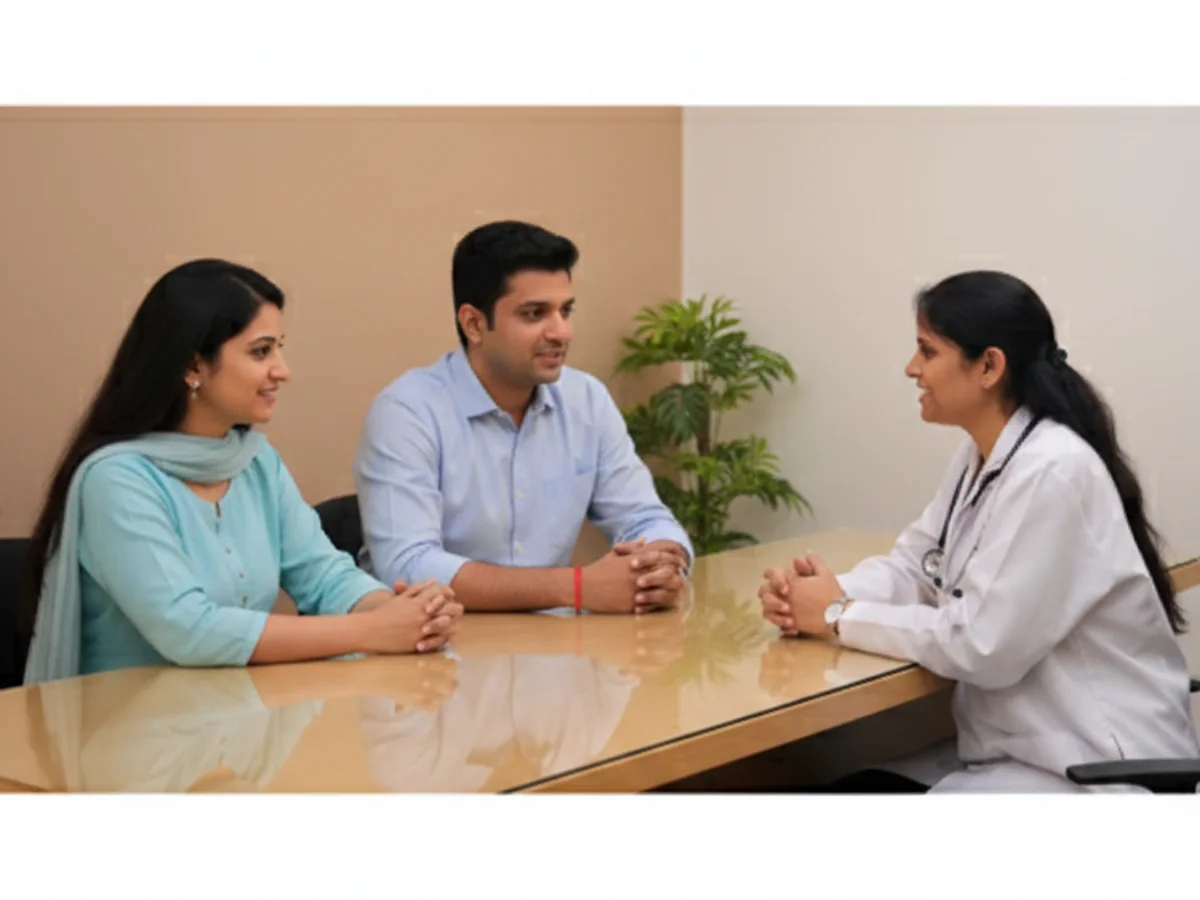
Understanding the IVF age limit in India and how age impacts success is the first step. The next, and most crucial, step is to seek expert, personalised advice. Whether you are in your late 20s or approaching the legal age limit for IVF, early consultation can make a significant difference in your treatment options and success rates. I have had the privilege of helping over 3000 couples achieve their dreams, performing over 3000 IVF cycles with a realistic 65%+ success rate.
It's never too late to explore your options and understand what's possible. Every patient's journey is unique, and with the right guidance, a path to parenthood can often be found. I practise across the seven Yaal Fertility centres in Chennai, including Kilpauk, Mylapore and Thiruvanmiyur, making expert fertility care accessible.
For personalised guidance, book a consultation with Dr. Rukkayal Fathima. We can discuss your specific situation, evaluate your fertility health, and craft a tailored treatment plan that gives you the best possible chance of success. Remember, hope and advanced medical care go hand in hand.
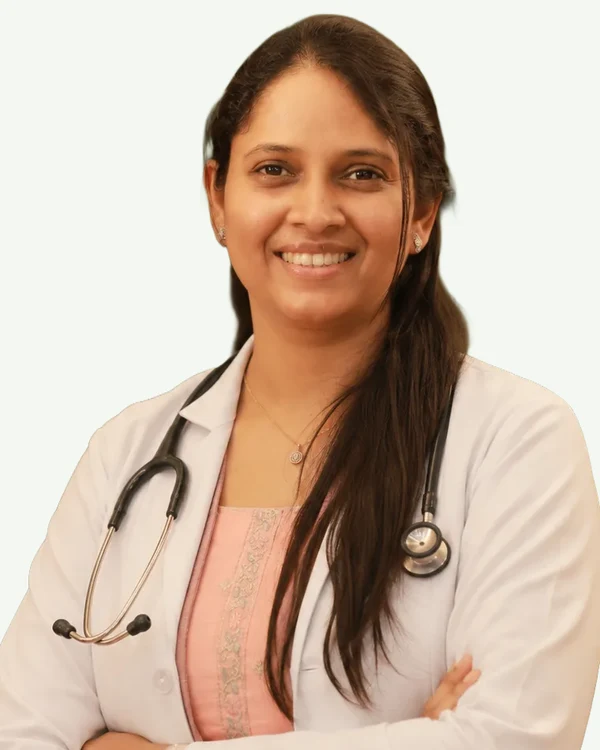
Dr. Rukkayal Fathima
MBBS, MS (OBG), MRCOG (UK), FRM (Kiel University)
Fertility Specialist, Obstetrician, Gynecologist & Laparoscopic Surgeon
Dr. Rukkayal Fathima is a fertility specialist, obstetrician and gynaecologist in Chennai. She has 15+ years of experience and treated 3000+ patients. She specialises in IVF, ICSI, TESA/Micro TESE, IUI, Early Pregnancy Scan, Menopause advice, and Gynaecological surgeries. She is the Founder & Director of Yaal Fertility and Women's Centre, which runs 7 fertility centres across Chennai.
Have Questions About IVF Treatment?
Every situation is unique. Dr. Rukkayal Fathima provides personalised, evidence-based guidance across multiple locations in Chennai.
Frequently Asked Questions
As per the ART Act 2021, women can undergo IVF treatment in India between 21 and 50 years of age, while for men, the limit is 21 to 55 years. These regulations ensure the health and well-being of both the prospective mother and the child born through assisted reproductive technology.
Biologically, the best age for IVF with a woman's own eggs is generally under 35, where success rates are highest due to better egg quality and ovarian reserve. Success rates gradually decline after 35, with a more significant drop after 40, highlighting the importance of timely intervention.
Yes, IVF is legally possible for women up to 50 years in Chennai. However, success rates with own eggs decline significantly after 40-42. Many women over 45 consider donor egg IVF, which offers higher success rates by using eggs from younger donors, typically aged 23-35.
With increasing age, a woman's ovarian reserve (the number of eggs) and egg quality diminish. This leads to a higher incidence of chromosomal abnormalities in eggs, lower fertilisation rates, reduced embryo quality, and a greater risk of miscarriage or genetic conditions in the baby.
For women aged 41-42, success rates with their own eggs typically fall below 10-20% per cycle. For those above 42-43, success rates are often less than 5-10%. However, using donor eggs can significantly boost success rates, often ranging from 50-75% per cycle, regardless of the recipient's age.
Yes, advanced maternal age increases risks such as gestational diabetes, pre-eclampsia, and the need for a C-section for the mother. For the baby, risks include preterm birth, low birth weight, and a higher chance of chromosomal abnormalities. Comprehensive counselling is crucial.
If you are beyond the age limit for using your own eggs or have very low ovarian reserve, donor egg IVF is a highly effective option. This involves using eggs from a younger, healthy donor, significantly improving success rates and offering a pathway to parenthood for many couples.
Consult Dr. Rukkayal at Yaal Fertility, Chennai
Dr. Rukkayal is the Founder & Director of Yaal Fertility and Women's Centre and consults at all 7 Yaal centres. Walk-ins welcome; appointments preferred.
Full hospital · IVF lab & ICU
No. 747, Poonamallee High Road, Alagappa Nagar, Kilpauk, Chennai – 600 010
Theatre & recovery
First Floor, Kumar Towers, Bus Depot, Opp. Padianallur, PT Murthy Nagar, Padiyanallur, Red Hills, Chennai – 600 052
IVF lab & theatre
2nd Floor, Dr. Mehta's Global Campus, No. 50, Poonamallee High Road, Velappanchavadi, Thiruverkadu, Chennai – 600 077
Consultation & andrology lab
No. 149/1, Luz Church Road, Bhaskarapuram, Mylapore, Chennai – 600 004
IVF lab & theatre
Second Floor, No. 1, 3rd Street, Malaviya Avenue, Thiruvanmiyur, Chennai – 600 041
Consultation & andrology lab
No. 95, Plot No. 1, Velachery Main Road, Devi Karumariamman Nagar, Pallikaranai, Chennai – 600 100
Consultation & andrology lab
3/5, Kannan Nagar 3rd Main Road, Vigneshwar Nagar, Madipakkam, Chennai – 600 091
Book any centre on the Yaal line, +91 75500 06704. Compare all Yaal centres