After Delivery Care: A Mother's Recovery Guide
This article is part of our guide on Obstetrics Care in Chennai — see the full treatment overview, success rates, and costs.
The weeks after delivery are a time of enormous change — for your body, your emotions, and your daily life. With so much attention on the new baby, a mother's own recovery is easily overlooked, yet good after-delivery care is what helps you heal well and feel like yourself again. As an obstetrician caring for mothers across Chennai, I tell every new mother the same thing: your recovery matters just as much as your baby's care. This guide walks through what to expect and how to look after yourself at home in the first six weeks and beyond.
What Happens to Your Body After Delivery
The six weeks following childbirth are known as the puerperium — the period during which your body gradually returns to its pre-pregnancy state. The uterus contracts and shrinks back down, the cervix closes, hormone levels shift, and any stitches heal. You may feel afterpains (cramping as the uterus contracts), especially while breastfeeding, and you will have vaginal bleeding called lochia. All of this is normal. Understanding that recovery is a gradual process — not something that happens overnight — helps you give yourself the rest and patience you genuinely need.
After Delivery Care at Home: The First Six Weeks
Most of your recovery happens at home. The priorities in these early weeks are simple but important:
-
Rest whenever you can: Sleep when the baby sleeps, and accept help with cooking, cleaning, and older children.
-
Keep up gentle movement: Short, gentle walks help circulation and mood, but avoid strenuous activity until cleared by your doctor.
-
Eat and drink well: Nourishing meals and plenty of fluids support healing and milk supply.
-
Keep wounds clean and dry: Whether perineal stitches or a caesarean wound, hygiene prevents infection.
-
Watch for warning signs: Know what is normal and what needs medical attention (covered below).

Rest, Recovery and Activity
Your body has done extraordinary work, and it needs time to recover. In the first couple of weeks, focus on rest and bonding rather than chores. Gentle pelvic floor exercises can usually begin early and help restore strength and bladder control. Hold off on driving, heavy lifting, vigorous exercise, and — after a caesarean — anything that strains the abdomen until your doctor confirms it is safe, typically around the six-week mark. Listen to your body: tiredness and a little breathlessness on exertion are common early on, but they should steadily improve.
Nutrition for New Mothers
Good nutrition speeds healing and, if you are breastfeeding, supports your milk supply. Aim for a balanced plate with protein, iron, calcium, healthy fats, and fibre at every meal:
-
Protein: Dals, eggs, paneer, lean meat, and fish for tissue repair.
-
Iron: Leafy greens, jaggery, dates, and pulses to rebuild stores after blood loss.
-
Calcium and dairy: Milk, curd, and ragi for bone health, especially while breastfeeding.
-
Fibre and fluids: Fruits, vegetables, whole grains, and plenty of water to ease the constipation that is common after delivery.
Traditional Indian postpartum foods are perfectly fine in moderation, and you can continue iron or calcium supplements as advised. For a fuller picture of healthy eating around pregnancy, our pregnancy foods guide is a useful companion.
Caring for Stitches and Wounds
Perineal care after normal delivery
If you have stitches from a tear or episiotomy, keep the area clean and dry, rinse with warm water after using the toilet and pat (don't rub) dry, change sanitary pads frequently, and use any prescribed pain relief. A warm sitz bath can soothe discomfort. The stitches usually dissolve and heal within a few weeks.
C-section wound care
Keep the wound clean and dry, wear loose comfortable clothing, and support the area when you cough or move. Watch for signs of infection — increasing redness, swelling, warmth, discharge, or fever — and avoid lifting anything heavier than your baby. Attend your wound check as advised. Our guide on normal delivery versus C-section explains more about recovery differences between the two.
Bleeding After Delivery (Lochia): What's Normal
Vaginal bleeding after birth, called lochia, is normal and lasts up to four to six weeks. It begins bright red and fairly heavy, then turns pinkish-brown, and finally becomes a pale or yellowish-white discharge before stopping. Use sanitary pads (not tampons) and change them regularly. What is not normal — and needs prompt medical attention — is soaking a pad in under an hour, passing large clots, foul-smelling discharge, or a return of heavy bright-red bleeding after it had been settling.
Emotional Health and Baby Blues
The days after delivery bring a powerful mix of joy, exhaustion, and emotion. Many mothers experience the "baby blues" — tearfulness, mood swings, and feeling overwhelmed — in the first one to two weeks. This usually settles on its own with rest and support. However, if low mood, anxiety, hopelessness, or difficulty bonding with your baby persists beyond two weeks or feels severe, this may be postpartum depression — which is common, is nobody's fault, and responds very well to support and treatment. Please do not suffer in silence; tell someone you trust and speak to your doctor.
Warning Signs You Should Never Ignore
Seek medical care promptly if you notice any of the following after delivery:
- Heavy vaginal bleeding or large clots
- Fever or chills
- Foul-smelling vaginal discharge
- Severe abdominal, perineal, or caesarean-wound pain
- Redness, swelling, or pus from a caesarean wound
- Painful, swollen, or red area in the leg (a sign of a clot)
- Severe headache, vision changes, breathing difficulty, or chest pain
- Persistent feelings of sadness, hopelessness, or thoughts of harming yourself or your baby
Postpartum Check-Up and Contraception
Around six weeks after delivery, you should have a postpartum check-up to assess your recovery, check the healing of any stitches, review your mood and wellbeing, support breastfeeding, and discuss contraception — fertility can return before your periods do, even while breastfeeding. This clinical follow-up, along with any ongoing care you need, is part of the postpartum care offered through Dr. Rukkayal's obstetrics service. And when you are ready to think about your next pregnancy, preconception and antenatal care can help you plan it well.
When to See Your Doctor
Trust your instincts — if something does not feel right during your recovery, it is always worth checking. Reach out promptly for any of the warning signs above, and don't hesitate to ask about recovery, breastfeeding, or how you are feeling emotionally. For caring, experienced postpartum support in Chennai, book a consultation with Dr. Rukkayal Fathima.
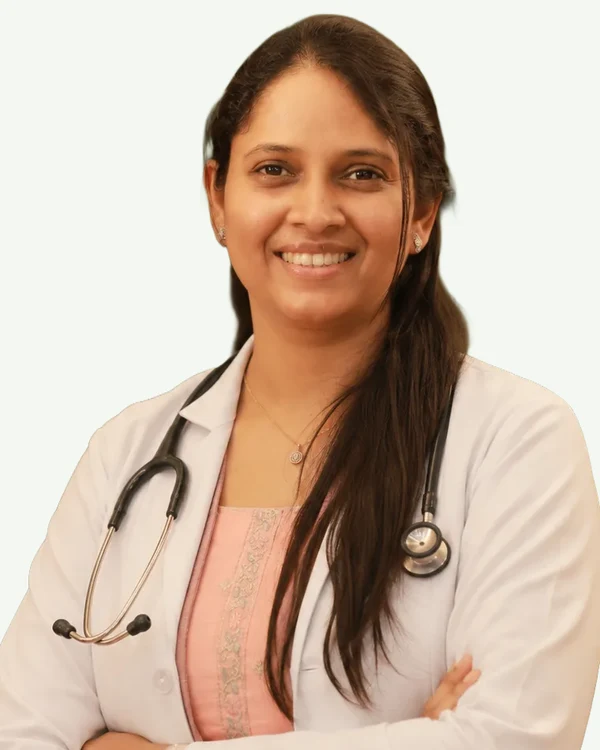
Dr. Rukkayal Fathima
MBBS, MS (OBG), MRCOG (UK), FRM (Kiel University)
Fertility Specialist, Obstetrician, Gynecologist & Laparoscopic Surgeon
Dr. Rukkayal Fathima is a fertility specialist, obstetrician and gynaecologist in Chennai. She has 15+ years of experience and treated 3000+ patients. She specialises in IVF, ICSI, TESA/Micro TESE, IUI, Early Pregnancy Scan, Menopause advice, and Gynaecological surgeries. She is the Founder & Director of Yaal Fertility and Women's Centre, which runs 7 fertility centres across Chennai.
Have Questions About Obstetrics Care?
Every situation is unique. Dr. Rukkayal Fathima provides personalised, evidence-based guidance across multiple locations in Chennai.
Frequently Asked Questions
The main recovery period — called the puerperium — lasts about six weeks, during which the uterus shrinks back and bleeding settles. However, full recovery of energy, pelvic floor strength, and emotional balance can take several months. Recovery after a caesarean section usually takes a little longer than after a normal delivery. Be patient and kind with yourself; healing is gradual.
Focus on a balanced, nourishing diet rich in protein, iron, calcium, and fibre — including dals, eggs, lean meat or fish, leafy greens, fruits, whole grains, nuts, and dairy. Traditional Indian postpartum foods are fine in moderation. Drink plenty of fluids, especially if you are breastfeeding, and continue any iron or calcium supplements your doctor advises.
Vaginal bleeding after delivery, called lochia, normally lasts up to four to six weeks. It starts red and heavy, gradually turns brownish, then pale, and finally stops. Soaking a pad in under an hour, passing large clots, or a return of heavy bright-red bleeding after it had settled are not normal and should be reported to your doctor.
For perineal stitches after a normal delivery, keep the area clean and dry, rinse with warm water after using the toilet, change pads frequently, and use any prescribed pain relief. For a caesarean wound, keep it clean and dry, watch for redness, swelling, or discharge, avoid heavy lifting, and attend your wound check. Both types of stitches usually heal within a few weeks.
Seek medical help promptly for heavy vaginal bleeding, large clots, fever, foul-smelling discharge, severe abdominal or wound pain, redness or pus from a caesarean wound, painful swelling in the legs, severe headache, breathing difficulty, or chest pain. Also reach out if you feel persistently low, hopeless, or unable to cope — postpartum depression is common and treatable.
A postpartum check-up is usually scheduled around six weeks after delivery to assess your physical recovery, healing of any stitches, mood and wellbeing, breastfeeding, and to discuss contraception. If you had a high-risk pregnancy, a caesarean, or any complications, your doctor may want to see you sooner.
Consult Dr. Rukkayal at Yaal Fertility, Chennai
Dr. Rukkayal is the Founder & Director of Yaal Fertility and Women's Centre and consults at all 7 Yaal centres. Walk-ins welcome; appointments preferred.
Full hospital · IVF lab & ICU
No. 747, Poonamallee High Road, Alagappa Nagar, Kilpauk, Chennai – 600 010
Theatre & recovery
First Floor, Kumar Towers, Bus Depot, Opp. Padianallur, PT Murthy Nagar, Padiyanallur, Red Hills, Chennai – 600 052
IVF lab & theatre
2nd Floor, Dr. Mehta's Global Campus, No. 50, Poonamallee High Road, Velappanchavadi, Thiruverkadu, Chennai – 600 077
Consultation & andrology lab
No. 149/1, Luz Church Road, Bhaskarapuram, Mylapore, Chennai – 600 004
IVF lab & theatre
Second Floor, No. 1, 3rd Street, Malaviya Avenue, Thiruvanmiyur, Chennai – 600 041
Consultation & andrology lab
No. 95, Plot No. 1, Velachery Main Road, Devi Karumariamman Nagar, Pallikaranai, Chennai – 600 100
Consultation & andrology lab
3/5, Kannan Nagar 3rd Main Road, Vigneshwar Nagar, Madipakkam, Chennai – 600 091
Book any centre on the Yaal line, +91 75500 06704. Compare all Yaal centres