Baby's Head Down? Cephalic Position Explained
This article is part of our guide on Obstetrics Care in Chennai — see the full treatment overview, success rates, and costs.
Expectant mothers in Chennai often wonder about their baby's position in the womb. The term you'll likely hear is "cephalic presentation," which simply means your baby is positioned head-down. This is generally considered the optimal position for birth. But what does it really mean, what are the benefits, and what happens if your baby isn't in this position? Let's explore cephalic presentation in detail and understand how it impacts your pregnancy journey.
What Is Cephalic Presentation
Cephalic presentation, also known as head-down position, is when a baby is positioned with its head facing downwards in the uterus, closest to the birth canal. As a fertility specialist practicing across Chennai, I often explain to my patients that this is the most favorable position for vaginal delivery. The baby's head acts as a natural wedge, gradually dilating the cervix during labor. According to medical studies, approximately 95% to 97% of babies naturally assume the cephalic position by the time labor begins. There are a few variations of cephalic presentation, with the vertex presentation being the most common, where the back of the baby’s head is facing the mother's front. Other less common cephalic presentations include brow presentation (where the baby's forehead presents first) and face presentation (where the baby's face presents first). These variations can sometimes lead to longer or more complicated labors, but your obstetrician will monitor the progress and provide the best course of action. The importance of cephalic presentation lies in its association with smoother and safer vaginal deliveries. When the baby is head-down, the head can mold and adjust to the contours of the pelvis, facilitating descent through the birth canal. This reduces the risk of complications such as umbilical cord prolapse or the need for a Cesarean section.
Cephalic Position Benefits
The benefits of a baby being in the cephalic position are significant for both mother and child. From my experience working with thousands of couples, a cephalic presentation generally leads to a smoother labor and delivery process. Here's why:
- Optimal Cervical Dilation: The baby's head applies even pressure on the cervix, promoting efficient dilation. This can shorten the duration of labor compared to other presentations.
- Reduced Risk of Complications: Cephalic presentation minimizes the risk of umbilical cord prolapse, a dangerous situation where the umbilical cord descends into the vagina before the baby, potentially cutting off oxygen supply. It also reduces the likelihood of needing a Cesarean section due to malpresentation (abnormal position). A retrospective analysis showed that attempting to turn a breech baby to cephalic presentation using ECV can reduce the rate of Cesarean delivery.
- Easier Passage Through the Birth Canal: The baby's head is the largest part of its body, so once it passes through the birth canal, the rest of the body usually follows without much difficulty.
- Natural Labor Progression: When the baby is in the cephalic position, it encourages a more natural and physiological progression of labor, reducing the need for interventions like forceps or vacuum extraction.
- Optimized Oxygen Delivery: Studies suggest that the cephalic presentation is the natural predominance because it optimizes oxygen delivery to the fetus during birth.
While cephalic presentation is ideal, it's important to remember that every pregnancy and delivery is unique. Other factors like the baby's size, the mother's pelvic structure, and the strength of contractions also play a role in the overall birth experience.
Cephalic vs Breech Presentation
The most common alternative to cephalic is breech presentation, where the baby's buttocks or feet are positioned to come out first. Understanding the difference is crucial for planning a safe delivery. Here’s a comparison:
| Feature | Cephalic Presentation | Breech Presentation |
|---|---|---|
| Position | Head-down, near the birth canal | Buttocks or feet down, near the birth canal |
| Vaginal Delivery | Generally favored for vaginal birth | Vaginal birth possible but carries higher risks |
| Risks | Lower risk of umbilical cord prolapse, birth trauma | Higher risk of umbilical cord prolapse, birth trauma, Cesarean section |
| Management | Routine prenatal care | May require external cephalic version (ECV) or Cesarean section |
| Prevalence at Term | 95-97% | 3-5% |
Breech presentation can increase the risk of complications during vaginal delivery, such as umbilical cord prolapse and birth trauma. In such cases, your doctor may recommend an external cephalic version (ECV), a procedure where they manually try to turn the baby into a head-down position. ECV is typically performed around 36-37 weeks of gestation. If ECV is not successful or is contraindicated (not advisable due to other medical conditions), a Cesarean section may be the safest option. A retrospective study at Fudan University Obstetrics and Gynecology Hospital showed that ECV success rates varied based on gestational weight gain, with higher success rates in women with below-target gestational weight gain.
When Does Baby Turn Cephalic
Many expectant parents ask me, "When should my baby turn head down?" Typically, babies start to settle into the cephalic position between 32 and 36 weeks of gestation. However, some babies may turn earlier, while others may wait until closer to labor. It's important to remember that every baby is different, and there's a wide range of what's considered normal. During your prenatal appointments, your doctor will monitor your baby's position through abdominal palpation (feeling your abdomen) and/or ultrasound. If your baby is still breech around 36 weeks, your doctor will discuss options like ECV. While you can't directly control when your baby turns, there are some things you can do to encourage the cephalic position. These include maintaining good posture, staying active with gentle exercises like walking, and trying techniques like pelvic tilts or the Webster Technique (a chiropractic technique). However, always consult with your doctor before trying any new exercises or techniques during pregnancy.
Cephalic Presentation Risks
While cephalic presentation is generally the safest position for delivery, it's not without potential risks, though these are relatively low. One possible complication is shoulder dystocia, where the baby's head is delivered vaginally, but one or both shoulders get stuck inside the mother's pelvis. This can occur in cephalic presentations, especially in larger babies or in mothers with gestational diabetes. Another potential risk is compression of the umbilical cord during labor, which can reduce oxygen supply to the baby. Your doctor will carefully monitor the baby's heart rate and position throughout labor to identify and manage any potential complications. Rarely, there can be birth injuries such as bruising or nerve damage, but these are usually minor and resolve on their own. It's important to have open communication with your healthcare provider about any concerns you have regarding the risks associated with cephalic presentation. They can provide personalized advice and ensure that you and your baby receive the best possible care during labor and delivery. Remember that the vast majority of cephalic presentations result in healthy outcomes for both mother and baby.
How to Encourage Cephalic Position
If your baby is breech at 36 weeks, don't worry! There are several techniques you can try to encourage them to turn head-down. As a fertility specialist in Chennai, I often recommend the following:
- Pelvic Tilts: Get on your hands and knees and gently arch your back up and down. This creates more space in your abdomen and may encourage the baby to turn.
- Forward-Leaning Inversion: Kneel on the floor and lean forward, resting your forearms on the ground. This position helps to take pressure off your pelvis and may encourage the baby to move. (Do this only if you feel comfortable and balanced.)
- Webster Technique: This is a chiropractic technique that focuses on balancing the pelvic muscles and ligaments. Find a chiropractor certified in the Webster Technique for prenatal care.
- Moxibustion: This traditional Chinese medicine technique involves burning a specific herb near the acupuncture point on your little toe. Some studies suggest it may help turn breech babies, but more research is needed.
- Spinning Babies Techniques: Explore the Spinning Babies website for specific exercises and techniques to help balance your body and encourage optimal fetal positioning.
- Stay Active: Gentle exercises like walking and swimming can help create more space in your abdomen and encourage the baby to turn.
- Good Posture: Sit upright and avoid slouching, as this can restrict space in your abdomen.
Important Note: Always consult with your doctor or midwife before trying any of these techniques. They can assess your individual situation and provide personalized recommendations. These are complementary approaches and do not replace medical advice or interventions like ECV.
When to See a Fertility Specialist
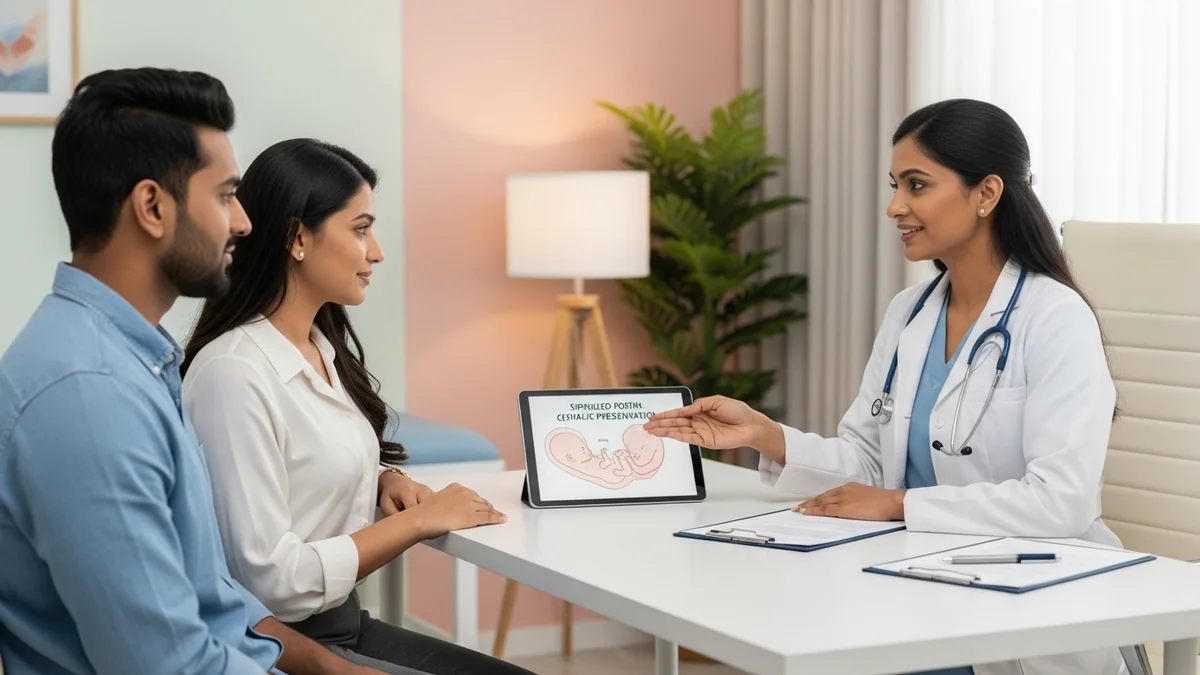
While cephalic presentation is primarily managed by obstetricians, a fertility specialist like myself can play a role in addressing underlying fertility issues that may contribute to complications during pregnancy or delivery. For instance, if you have a history of recurrent miscarriages or have undergone fertility treatments like IVF, it's essential to have ongoing monitoring and support throughout your pregnancy. We can help manage conditions like PCOS or endometriosis that can affect pregnancy outcomes. Additionally, if you are considering external cephalic version (ECV) and have concerns about potential risks or complications, a fertility specialist can provide additional guidance and support. Remember, approximately 50% of ECV attempts are successful.
It's crucial to consult with your obstetrician regularly throughout your pregnancy to monitor your baby's position and address any concerns you may have. If your baby is breech at 36 weeks, discuss your options with your doctor, including ECV and the potential risks and benefits of vaginal breech delivery versus Cesarean section. For personalised guidance, book a consultation with Dr. Rukkayal Fathima.
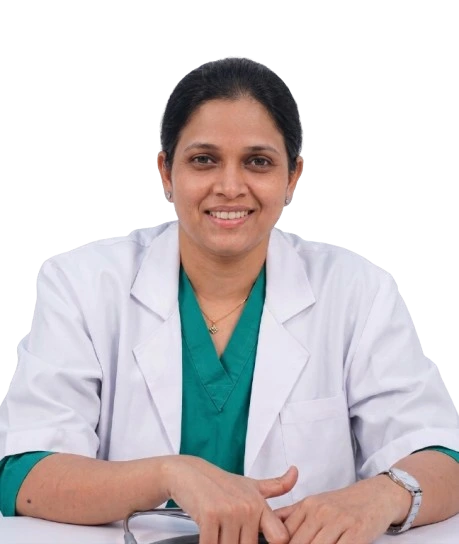
Dr. Rukkayal Fathima
MBBS, MS (OBG), MRCOG (UK), FRM (Kiel University)
Fertility Specialist, Obstetrician, Gynecologist & Laparoscopic Surgeon
Dr. Rukkayal Fathima is one of India's leading Gynaecologists and the best fertility doctor in Chennai. She has 12+ years of experience and treated 3000+ patients. She specialises in IVF, ICSI, TESA/Micro TESE, IUI, Early Pregnancy Scan, Menopause advice, and Gynaecological surgeries. She is a Co-founder & Director of Yaal Fertility and Women's Centre, the Best Fertility Center in Chennai.
Have Questions About Obstetrics Care?
Every situation is unique. Dr. Rukkayal Fathima provides personalised, evidence-based guidance across multiple locations in Chennai.
Frequently Asked Questions
Cephalic presentation means your baby is positioned head-down in your uterus, near the birth canal. This is the optimal position for vaginal delivery, as the baby's head is usually the largest part and can dilate the cervix effectively. Most babies naturally assume this position by the end of pregnancy.
While cephalic presentation is favorable, it doesn't guarantee a vaginal delivery. Other factors like the baby's size, your pelvic shape, the strength of your contractions, and any complications during labor also play crucial roles. Your doctor will assess all these factors to determine the best course of delivery.
Ideally, your baby should be in the cephalic position by around 36 weeks of pregnancy. This allows ample time for your body to prepare for labor and delivery. However, some babies may turn later, and some may not turn at all. Regular check-ups with your doctor can help monitor your baby's position.
Several techniques may help encourage your baby to turn, including pelvic tilts, forward-leaning inversions, and exercises recommended by Spinning Babies. Maintaining good posture and staying active can also create more space in your abdomen. Discuss these options with your doctor or a qualified prenatal yoga instructor.
Cephalic presentation is generally considered the safest position. However, risks can still arise during labor, such as shoulder dystocia (baby's shoulder getting stuck after the head is delivered). Your doctor will monitor the baby's descent and manage any complications to ensure a safe delivery.
The cost of ECV in Chennai can range from ₹15,000 to ₹30,000. This is an approximate range; the final cost can vary based on the hospital, anaesthesia if used, and any additional monitoring required. Discuss the specific costs with your healthcare provider.
ECV is a procedure where a doctor manually tries to turn a breech baby (bottom-down) into a cephalic (head-down) position by applying pressure on your abdomen. It's typically recommended around 36-37 weeks of gestation if the baby is confirmed to be breech and there are no contraindications like placenta previa or fetal distress.
Consult Dr. Rukkayal in Chennai
Available at 4 fertility clinic locations across Chennai. Walk-ins welcome; appointments preferred.
No. 747, Poonamallee High Road, Alagappa Nagar, Kilpauk, Chennai – 600 010
No. 149/1, Luz Church Road, Bhaskarapuram, Mylapore, Chennai – 600 004
No. 95, Plot No. 1, Velachery Main Road, Devi Karumariamman Nagar, Pallikaranai, Chennai – 600 100
Dr. Rukkayal is also a visiting consultant at Apollo Hospital, Motherhood Hospital, Cloud Nine Hospital, MGM Hospital, Metha Hospital and St. Isabel Hospital in Chennai. View all clinic locations