Pregnancy Foods: What to Eat & Avoid
This article is part of our guide on Obstetrics Care in Chennai — see the full treatment overview, success rates, and costs.
Pregnancy is a transformative journey, and what you eat plays a pivotal role in ensuring a healthy outcome for both you and your baby. Knowing which pregnancy foods to eat and avoid is crucial for optimal nutrition. This guide, tailored for expectant mothers in Chennai, will help you navigate the world of pregnancy nutrition.
The Link Between Nutrition and Fertility
Nutrition is fundamental to both fertility and a healthy pregnancy. What you eat directly impacts your baby's development and your well-being. A balanced diet provides the necessary nutrients for fetal growth, supports the mother's energy levels, and reduces the risk of complications like gestational diabetes and preeclampsia. In my clinical experience, women who prioritize nutrition throughout their pregnancy report feeling more energetic and experience fewer complications.
The European Society of Human Reproduction and Embryology (ESHRE) emphasizes the importance of a healthy lifestyle, including a balanced diet, for improving the chances of successful pregnancy and live birth, particularly for women undergoing assisted reproductive treatment. A Mediterranean diet, rich in fruits, vegetables, whole grains, and healthy fats, is often recommended.
Key Nutrients for a Healthy Pregnancy
During pregnancy, your body requires increased amounts of certain nutrients to support the growing fetus. Some of the most important include:
- Folic Acid: Crucial for preventing neural tube defects. Guidelines recommend 400 mcg daily before pregnancy, increasing to 600 mcg during pregnancy.
- Iron: Essential for red blood cell production and oxygen transport. The recommended intake is 27 mg daily during pregnancy. Iron deficiency can lead to fatigue and increase the risk of preterm birth.
- Calcium: Important for bone development. Aim for 1,000 mg daily for pregnant adults.
- Vitamin D: Supports calcium absorption and immune function. The recommended intake is 600 IU daily.
- Protein: Vital for fetal tissue growth. An additional 8g is needed during the second trimester and 18g during the third trimester. An average pregnant woman (sedentary worker) requires 78 g of protein every day.
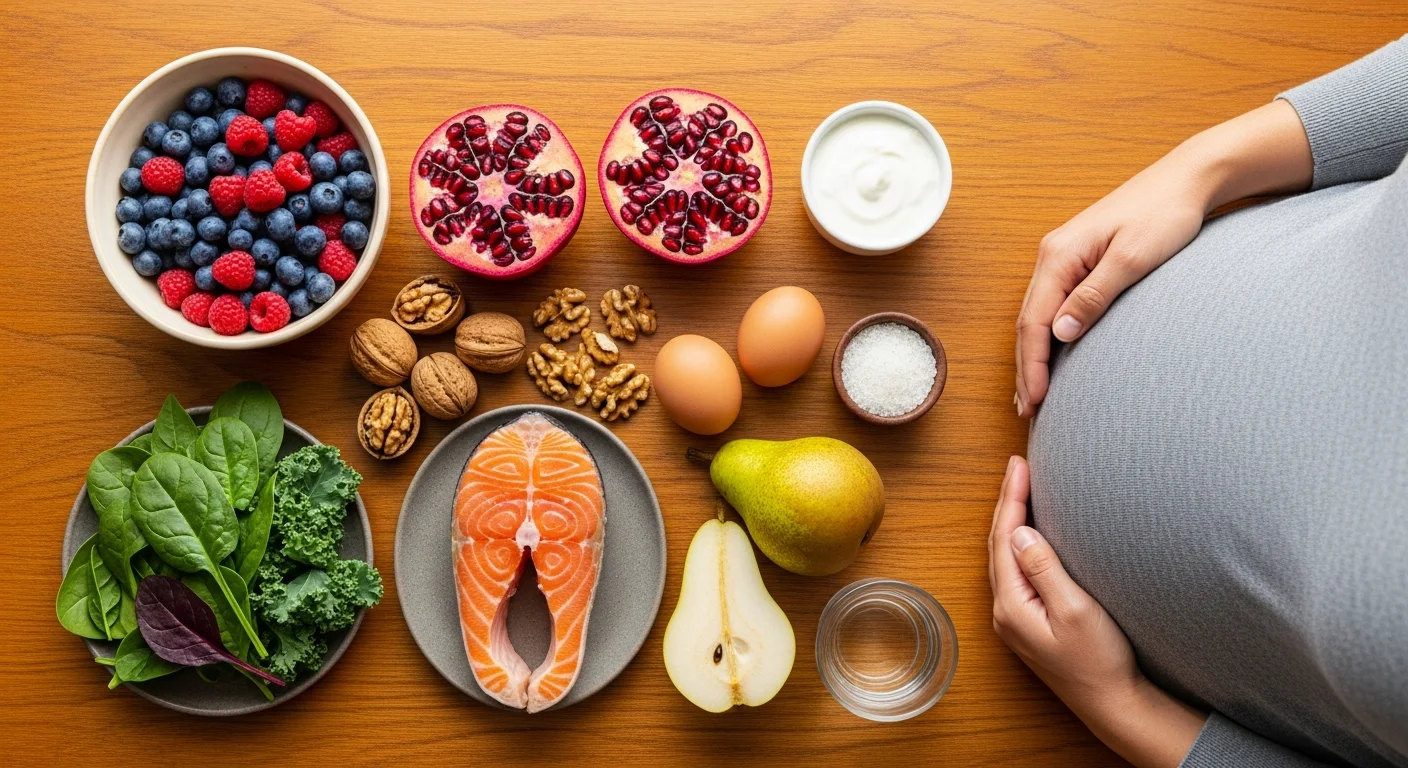
- Omega-3 Fatty Acids: Essential for brain and eye development. Include sources like salmon, flaxseeds, and walnuts in your diet.
The Indian Council of Medical Research (ICMR) recommends a balanced diet that includes whole grains, fruits, vegetables, protein-rich foods, and dairy products. It also emphasizes the importance of nutrients like iron, folic acid, B12, iodine, and long chains of n-3 polyunsaturated fatty acids (LCn-3PUFAs).
Best Foods for Pregnant Women (with Comparison Table)
Choosing the right foods can significantly impact your pregnancy. Here's a comparison of some of the best options:
| Food Group | Specific Foods | Key Nutrients | Benefits |
|---|---|---|---|
| Fruits | Berries, Bananas, Oranges, Apples, Mangoes | Vitamin C, Potassium, Fiber, Folic Acid | Boosts immunity, aids digestion, prevents constipation, provides essential vitamins. Locally available mangoes are a great source of Vitamin A and C. |
| Vegetables | Spinach, Broccoli, Carrots, Sweet Potatoes | Vitamin A, Vitamin K, Fiber, Folate | Supports vision, bone health, and digestive health. |
| Whole Grains | Oats, Brown Rice, Whole Wheat Bread | Fiber, Iron, B Vitamins | Provides sustained energy, prevents constipation, supports nervous system function. |
| Lean Protein | Chicken, Fish (low-mercury), Lentils, Tofu | Protein, Iron, Omega-3 Fatty Acids | Supports fetal growth and development, boosts iron levels. For non-vegetarians in Chennai, lean chicken and properly cooked fish like sardines are good options. |
| Dairy/Alternatives | Yogurt, Milk, Cheese, Fortified Soy Milk | Calcium, Protein, Vitamin D | Strengthens bones and teeth, supports muscle function. If lactose intolerant, fortified soy milk and calcium-rich alternatives are suitable. |
| Healthy Fats | Avocados, Nuts, Seeds, Olive Oil | Monounsaturated Fats, Omega-3 Fatty Acids, Vitamin E | Supports brain development, reduces inflammation. Include locally available nuts and seeds like almonds, walnuts, and flaxseeds. |
This table offers a guide to incorporating nutrient-rich foods into your pregnancy diet. Remember to consult with a healthcare professional for personalized dietary advice.
How Key Nutrients Impact Pregnancy—Evidence
Research consistently demonstrates the impact of specific nutrients on pregnancy outcomes.
- Folic Acid: A deficiency in folic acid can lead to neural tube defects in the fetus. Studies have shown that supplementing with folic acid before and during early pregnancy significantly reduces the risk of these defects.
- Iron: Iron deficiency anemia is common during pregnancy and can increase the risk of preterm birth and low birth weight. Adequate iron intake is essential for maintaining healthy red blood cell levels.
- Omega-3 Fatty Acids: These fats, particularly DHA, are crucial for brain and eye development. Research suggests that higher maternal intake of omega-3 fatty acids is associated with improved cognitive outcomes in children.
- Calcium and Vitamin D: These nutrients are critical for bone development in the fetus. Insufficient intake can lead to weakened bones in both the mother and the baby.
A meta-analysis of studies highlighted that adherence to the Mediterranean diet during pregnancy is associated with a reduced risk of gestational diabetes, preterm birth, and abnormal fetal growth. This underscores the importance of a balanced, nutrient-rich diet.
Practical Tips and Daily Recommendations
Incorporating these nutrients into your daily diet doesn't have to be complicated. Here are some practical tips:
- Start with a Prenatal Vitamin: Ensure you're getting adequate amounts of folic acid, iron, and other essential nutrients.
- Eat a Variety of Fruits and Vegetables: Aim for at least five servings a day. Choose a rainbow of colors to get a wide range of vitamins and minerals.
- Include Protein in Every Meal: This helps stabilize blood sugar levels and provides essential amino acids for fetal growth.
- Choose Whole Grains: Opt for brown rice, quinoa, and whole wheat bread over refined grains.
- Stay Hydrated: Drink plenty of water throughout the day to support amniotic fluid production and prevent constipation.
- Snack Smart: Keep healthy snacks like nuts, yogurt, and fruit on hand to prevent hunger pangs and maintain energy levels.
The World Health Organization (WHO) recommends counseling on healthy eating and physical activity during pregnancy to prevent excessive weight gain.
Foods to Avoid During Pregnancy
While many foods are beneficial during pregnancy, some should be avoided to minimize the risk of harm to the developing fetus.
- High-Mercury Fish: Avoid shark, swordfish, king mackerel, and tilefish. These fish can contain high levels of mercury, which can be harmful to the baby's developing nervous system.
- Raw or Undercooked Meat, Fish, and Eggs: These can carry harmful bacteria like Listeria and Salmonella. Ensure all meats, fish, and eggs are thoroughly cooked.
- Unpasteurized Milk and Soft Cheeses: These may contain Listeria. Choose pasteurized dairy products.
- Processed Meats: Deli meats, hot dogs, and fermented sausages can also harbor Listeria. Avoid these or heat them thoroughly before eating.
- Alcohol: Avoid all forms of alcohol during pregnancy. There is no safe level of alcohol consumption during pregnancy.
- Excessive Caffeine: Limit caffeine intake to less than 200 mg per day. High caffeine intake has been linked to an increased risk of miscarriage and low birth weight.
- Ultra-Processed Foods: Limit intake of foods high in added sugar, salt, and unhealthy fats. A meta-analysis indicated that maternal consumption of UPF-rich diets is associated with an increased risk of gestational diabetes mellitus and preeclampsia.
For women in Chennai, it's especially important to be cautious about street food and unhygienically prepared meals, as these can increase the risk of foodborne illnesses.
Beyond Nutrition: A Holistic Approach
While nutrition is essential, a holistic approach to pregnancy involves other lifestyle factors that contribute to a healthy pregnancy.
- Regular Exercise: Engage in moderate physical activity, such as walking, swimming, or prenatal yoga, to improve cardiovascular health, manage weight, and reduce stress.
- Adequate Sleep: Aim for 7-9 hours of sleep per night to support overall health and well-being.
- Stress Management: Practice relaxation techniques like deep breathing, meditation, or prenatal massage to reduce stress levels.
- Prenatal Care: Attend all scheduled prenatal appointments to monitor your health and the baby's development.
NICE (National Institute for Health and Care Excellence) guideline NG247 emphasizes vitamin supplementation, healthy eating, physical activity, and weight management during pregnancy.

When to Seek Professional Help
While this guide provides general information, it's crucial to seek personalized advice from a healthcare professional. If you have specific dietary concerns, underlying health conditions, or are experiencing pregnancy complications, consult with a doctor or registered dietitian. For personalised guidance, book a consultation with Dr. Rukkayal Fathima.
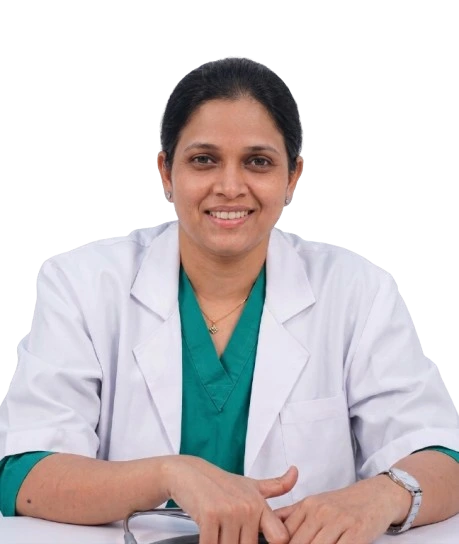
Dr. Rukkayal Fathima
MBBS, MS (OBG), MRCOG (UK), FRM (Kiel University)
Fertility Specialist, Obstetrician, Gynecologist & Laparoscopic Surgeon
Dr. Rukkayal Fathima is one of India's leading Gynaecologists and the best fertility doctor in Chennai. She has 12+ years of experience and treated 3000+ patients. She specialises in IVF, ICSI, TESA/Micro TESE, IUI, Early Pregnancy Scan, Menopause advice, and Gynaecological surgeries. She is a Co-founder & Director of Yaal Fertility and Women's Centre, the Best Fertility Center in Chennai.
Have Questions About Obstetrics Care?
Every situation is unique. Dr. Rukkayal Fathima provides personalised, evidence-based guidance across multiple locations in Chennai.
Frequently Asked Questions
A balanced diet during pregnancy is vital for the baby's growth and development. It also supports the mother's health, providing energy and reducing the risk of complications like gestational diabetes. Prioritizing nutrient-rich foods ensures both mother and child thrive during this critical period.
During the first trimester, it's crucial to avoid raw or undercooked meats and seafood, unpasteurized dairy, and excessive caffeine. These foods carry a higher risk of bacterial contamination, which can be harmful to the developing fetus. Alcohol should also be strictly avoided throughout the pregnancy.
Weight gain recommendations vary depending on your pre-pregnancy BMI. Generally, women with a normal BMI (18.5-24.9) should aim to gain 11-16 kg (25-35 pounds). It's best to discuss your individual weight gain goals with your doctor or a registered dietitian in Chennai.
While there's no guaranteed cure, some foods can help ease morning sickness. Ginger (in tea or candies), crackers, and small, frequent meals can often alleviate nausea. It's essential to stay hydrated and avoid strong smells that trigger your symptoms.
Yes, certain fish are safe and beneficial during pregnancy due to their omega-3 fatty acids. However, avoid high-mercury fish like shark, swordfish, and king mackerel. Opt for low-mercury options like salmon, sardines, and shrimp in moderation. Aim for 2-3 servings per week.
Prenatal vitamins are strongly recommended to fill potential nutritional gaps in your diet. They ensure you're getting enough folic acid, iron, calcium, and other essential nutrients that are critical for fetal development. Start taking them ideally before conception, or as soon as you find out you're pregnant.
Yes, a well-planned vegetarian or vegan diet can be perfectly safe during pregnancy. However, it's crucial to ensure you're getting enough protein, iron, vitamin B12, calcium, and omega-3 fatty acids. Consulting a registered dietitian can help you create a balanced meal plan.
Consult Dr. Rukkayal in Chennai
Available at 4 fertility clinic locations across Chennai. Walk-ins welcome; appointments preferred.
No. 747, Poonamallee High Road, Alagappa Nagar, Kilpauk, Chennai – 600 010
No. 149/1, Luz Church Road, Bhaskarapuram, Mylapore, Chennai – 600 004
No. 95, Plot No. 1, Velachery Main Road, Devi Karumariamman Nagar, Pallikaranai, Chennai – 600 100
Dr. Rukkayal is also a visiting consultant at Apollo Hospital, Motherhood Hospital, Cloud Nine Hospital, MGM Hospital, Metha Hospital and St. Isabel Hospital in Chennai. View all clinic locations