3-Month Preconception Checklist for a Healthy Start
This article is part of our guide on Female Fertility in Chennai — see the full treatment overview, success rates, and costs.
Embarking on the journey to parenthood is an exciting time, often filled with questions about how to best prepare. If you're planning to conceive, starting a "3 month preconception checklist" is one of the most proactive steps you can take to ensure a healthy pregnancy and a smooth start for your baby. As a fertility specialist in Chennai, I often guide couples through this crucial preparation phase, emphasising that what you do before conception can significantly impact outcomes.
Preconception care isn't just about taking a prenatal vitamin; it's a comprehensive approach to optimising your health, lifestyle, and medical conditions for pregnancy. This three-month window is particularly impactful, as it aligns with the maturation cycles of both eggs and sperm, allowing enough time for meaningful physiological changes.
Planning to Conceive? Why Preconception Care is Your First Step
The excitement of planning a family often leads couples to wonder, "what to do before getting pregnant?" The answer lies in preconception care, a planned approach to prepare your body and mind for pregnancy. The World Health Organization (WHO) defines preconception care as interventions that optimise women's and couples' health before conception, encompassing biomedical, nutritional, behavioural, and social aspects. My training in Reproductive Medicine from Kiel University, Germany, and my MRCOG qualification from the UK, along with my practice across Chennai, strongly emphasise this holistic preparation.
Focusing on a 3-month timeline is strategic. It takes approximately 90 days for an egg to fully mature, and roughly the same amount of time for sperm to develop. This means that lifestyle changes made now can directly influence the quality of the egg and sperm that will eventually create your baby. This period allows for addressing nutritional deficiencies, managing chronic health conditions, and adopting healthier habits that lay a strong foundation for a thriving pregnancy.
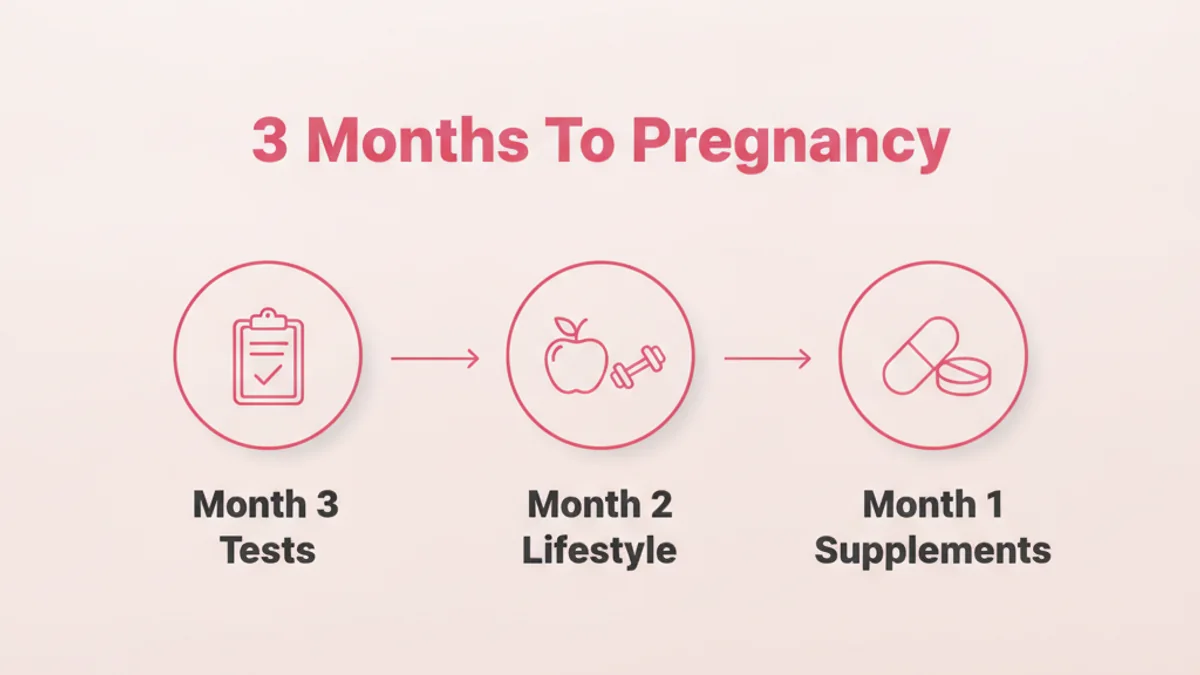
Month 1: Laying the Foundation – Essential Health & Lifestyle Checks
The first month of your preconception journey is about establishing a baseline and making foundational changes. This is where your "pre pregnancy checklist India" truly begins, tailored to your individual needs.
Consult Your Fertility Specialist in Chennai
Your first and most important step should be to consult a fertility specialist. In my clinical practice across Chennai, including my clinics in Kilpauk, Mylapore and Thiruvanmiyur, I see many couples who benefit immensely from early guidance. A specialist can review your medical history, identify potential risks, and create a personalised preconception plan. This initial consultation is vital for understanding your unique health profile and tailoring advice specific to your needs. This is also an excellent opportunity to discuss preconception care in Chennai options comprehensively.
Optimise Your Diet and Nutrition
Nutrition plays a pivotal role in fertility and early foetal development. Focusing on a balanced diet rich in fruits, vegetables, lean proteins, and whole grains is crucial. Key nutrients to prioritise include:
- Folic Acid (Vitamin B9): This is paramount. Guidelines from the American Society for Reproductive Medicine (ASRM) recommend 400-800 micrograms (mcg) daily, starting at least one month before conception, with three months being even better. This significantly reduces the risk of neural tube defects (NTDs) like spina bifida. For women with a higher risk (e.g., previous NTD-affected pregnancy or certain medications), a higher dose of 4-5 mg (4000-5000 mcg) daily may be advised. The Indian Council of Medical Research (ICMR) recommends 500 mcg daily for pregnant women.
- Vitamin D: NICE (National Institute for Health and Care Excellence) advises 10 micrograms (400 IU) daily throughout pregnancy, ideally starting prior to conception. A minimum daily dose of 1,000 IU (40 mcg) is recommended preconception, with doses over 400 IU/day during pregnancy linked to reduced risks of preterm birth, low birthweight, pre-eclampsia, and gestational diabetes. Aim for a serum level of 25-hydroxyvitamin D of at least 50 nmol/L (20 ng/mL).
- Iodine: Essential for the baby's brain development and thyroid function. The WHO recommends 250 µg daily for pregnant and breastfeeding women. Many prenatal formulations contain 150 µg.
- Iron: Many women have low iron stores. Aim for 18 milligrams (mg) daily preconception. If diagnosed with iron deficiency anaemia, therapeutic doses of 60-120 mg of elemental iron daily may be prescribed.
- Calcium: Aim for at least 1,000 mg daily to build healthy bones, as the baby will draw from your stores.
- Zinc: Maintaining 8-15 mg daily can support reproductive system functioning in women and semen/testosterone production in men.
Reach a Healthy Weight
Your body mass index (BMI) significantly impacts fertility and pregnancy outcomes. ASRM recommends achieving a healthy BMI between 20 and 25 before attempting pregnancy. Both being underweight or overweight can disrupt hormonal balance, affect ovulation, and increase risks. For instance, obesity is associated with higher rates of gestational diabetes, pre-eclampsia, and preterm birth. Conversely, being underweight can lead to irregular periods and anovulation (lack of ovulation). Reaching a healthy weight before pregnancy is a crucial step in reaching a healthy weight before pregnancy.
Review Medications and Vaccinations
During your initial consultation, provide a complete list of all medications you are taking, including prescription, over-the-counter, and herbal supplements. Some medications may be harmful during pregnancy and might need adjustment or discontinuation under medical supervision.
ASRM also advises assessing your immunisation status. Ensure you are up-to-date on vaccinations for tetanus, diphtheria, pertussis (Tdap), measles-mumps-rubella (MMR), hepatitis B, and varicella (chickenpox). An annual influenza vaccination is also encouraged. Some vaccines, like MMR, cannot be given during pregnancy, so it's vital to get them beforehand.
Month 2: Refining Your Health – Lifestyle & Medical Optimisation
As you move into the second month, the focus shifts to fine-tuning your health and lifestyle, addressing any identified medical concerns, and adopting sustainable healthy habits.
Manage Chronic Health Conditions
If you have chronic health conditions such as diabetes, hypertension (high blood pressure), thyroid disorders, or psychiatric conditions, it's paramount to optimise their management before conception. ASRM guidelines stress this to prevent complications during pregnancy. For example, uncontrolled diabetes significantly increases the risk of birth defects and miscarriage. Similarly, unmanaged thyroid checks before conceiving can impact both fertility and foetal development. Working closely with your doctor to stabilise these conditions is a non-negotiable part of preconception care.
Lifestyle Adjustments: Quit Smoking, Limit Alcohol & Caffeine
This month is also about making significant lifestyle changes.
- Smoking: If you smoke, quitting is one of the most impactful steps you can take. Smoking negatively affects both male and female fertility and can lead to serious pregnancy complications.
- Alcohol: There is no safe amount of alcohol during pregnancy. It's best to stop alcohol consumption entirely when trying to conceive.
- Caffeine: Moderate caffeine consumption (1-2 cups of coffee per day, or 200-300 mg) is generally considered safe. However, high levels (over 500 mg/day) have been associated with decreased fertility, with some studies suggesting a reduction in fertility by 27 percent. Consider gradually reducing your intake if you consume more than this.
Prioritise Mental Well-being and Stress Reduction
The journey to conception can be stressful. Prioritising your mental health is as important as your physical health. Incorporate stress-reduction techniques into your daily routine, such as yoga, meditation, mindfulness, or spending time in nature. Adequate sleep (7-9 hours per night) is also crucial for hormonal balance and overall well-being. Patients often ask me about the impact of stress, and while stress alone may not prevent pregnancy, managing it certainly helps create a more positive and receptive environment.
Understand Your Cycle and Ovulation
Knowing your menstrual cycle and identifying your fertile window can significantly increase your chances of conception. Track your periods, observe cervical mucus changes, and consider using ovulation predictor kits (OPKs). Tools like an ovulation calculator can also help you pinpoint your most fertile days. Understanding your body's natural rhythm empowers you to time intercourse effectively.
Month 3: Final Preparations – Fine-Tuning for Conception
In your final month of preparation, the goal is to consolidate all the changes you've made and ensure everything is optimally aligned for conception.
Continue Key Supplements
Consistency is key. Continue taking your recommended fertility supplements to start, especially folic acid, vitamin D, and iodine. These nutrients are continuously needed, not just for the initial phase but throughout your pregnancy. It's also a good time to review your dietary intake to ensure you're meeting all nutritional requirements.
Focus on Male Fertility
Preconception care is a partnership. Male partners should also focus on optimising their health. This includes maintaining a healthy diet, limiting alcohol and caffeine, quitting smoking, and managing stress. Specific nutrients like zinc are important for sperm health. A systematic review highlighted that even brief counselling for male partners increased their awareness of preconception lifestyle risk factors, underscoring the importance of their active involvement.
Genetic Screening and Family History
Discuss any family history of genetic conditions with your fertility specialist. ASRM recommends screening for certain genetic conditions based on your ethnic background or family history. This allows for informed decision-making and, if necessary, genetic counselling before conception.
Interpregnancy Interval
If you have had a previous pregnancy, consider the interpregnancy interval (the time between pregnancies). ASRM recommends an interpregnancy interval of at least 6 months. Shorter intervals (less than 6 months) are associated with increased risks of preterm birth, low birthweight, and maternal complications. Allowing your body sufficient time to recover is an important aspect of how to reduce early miscarriage risk and ensure optimal health for your next pregnancy.
The Impact of Preconception Care: What the Evidence Shows
The benefits of diligent preconception care are well-documented and supported by clinical evidence. My experience with over 3000 couples and 3000+ IVF cycles has consistently shown that well-prepared patients often have better outcomes.
Recent systematic reviews highlight these benefits:
- Reduced Neural Tube Defects: Folic acid supplementation alone significantly reduces the risk of NTDs.
- Improved Pregnancy Outcomes: Studies show that intensive preconception education can reduce spontaneous pregnancy loss and alcohol-exposed pregnancies. Dietary modification has been linked to reduced pre-eclampsia and increased birth weight.
- Optimised Nutrient Status: Preconception supplementation ensures adequate levels of vital nutrients like folic acid, vitamin D, and iron, which are critical for early foetal development.
- Better Management of Chronic Diseases: Optimising conditions like diabetes and hypertension before pregnancy leads to fewer maternal and foetal complications.
- Lower Risk of Complications: Higher doses of Vitamin D (over 400 IU/day) during pregnancy have been associated with a reduced risk of:
- Preterm birth: ~1.7× higher risk without adequate Vitamin D
- Low birthweight: Reduced risk by 29%
- Pre-eclampsia: Reduced risk by 47%
- Gestational diabetes: Doses of 601 IU/day or more may reduce risk by 46%
These findings underscore the profound impact that a structured 3-month preconception checklist can have on your journey to a healthy pregnancy.

When to Seek Professional Guidance from a Fertility Specialist
While a 3-month preconception checklist provides a solid framework, some situations warrant earlier or more intensive professional guidance. If you are over 35, have a known medical condition like PCOS or endometriosis, have a history of recurrent miscarriages, or have been trying to conceive for six months without success, it's advisable to consult a fertility specialist sooner.
Remember, the path to parenthood is unique for everyone, and having an expert guide you can make a significant difference. As a fertility specialist, I am here to provide comprehensive, evidence-based care, combining my international training with a deep understanding of patient needs in Chennai. My goal is to empower you with the knowledge and support required for a healthy and successful pregnancy.
The journey to parenthood is a hopeful one, and with careful planning, most couples have excellent options available to them. Taking these proactive steps can truly make a difference. For personalised guidance, book a consultation with Dr. Rukkayal Fathima at my clinics across Chennai, including Kilpauk, Mylapore and Thiruvanmiyur. Let us work together to make your dream of a healthy family a reality.

Dr. Rukkayal Fathima
MBBS, MS (OBG), MRCOG (UK), FRM (Kiel University)
Fertility Specialist, Obstetrician, Gynecologist & Laparoscopic Surgeon
Dr. Rukkayal Fathima is a fertility specialist, obstetrician and gynaecologist in Chennai. She has 15+ years of experience and treated 3000+ patients. She specialises in IVF, ICSI, TESA/Micro TESE, IUI, Early Pregnancy Scan, Menopause advice, and Gynaecological surgeries. She is the Founder & Director of Yaal Fertility and Women's Centre, which runs 7 fertility centres across Chennai.
Have Questions About Female Fertility?
Every situation is unique. Dr. Rukkayal Fathima provides personalised, evidence-based guidance across multiple locations in Chennai.
Frequently Asked Questions
A 3-month preconception checklist is crucial because it allows sufficient time for key physiological changes, like egg maturation (90 days) and sperm production. It enables couples to optimise nutrition, manage chronic conditions, and adopt healthier lifestyles, significantly improving pregnancy outcomes and reducing risks like neural tube defects.
Begin with 400-800 mcg of folic acid daily at least one month, ideally three months, before conception to prevent neural tube defects. Additionally, 1000 IU of Vitamin D, 150-250 mcg of iodine, and sufficient iron (18 mg, or more if anaemic) are commonly recommended. Always consult your doctor for personalised supplement advice.
Maintaining a healthy body mass index (BMI) between 20 and 25 is vital for fertility. Both being underweight or overweight can disrupt ovulation, affect egg quality, and increase risks of pregnancy complications like gestational diabetes and pre-eclampsia. Reaching a healthy weight before pregnancy significantly improves conception rates and maternal-foetal health.
Preconception medical checks typically include a full physical exam, blood tests (to check thyroid function, iron levels, and vitamin D), screening for infections, and reviewing your immunisation status (MMR, Tdap, Hepatitis B). Managing any pre-existing chronic conditions like diabetes or hypertension is also a key part of this care.
Absolutely. Male partners play an equal role in preconception health. Lifestyle changes like improving diet, quitting smoking, limiting alcohol, and maintaining a healthy weight can positively impact sperm quality and quantity. Studies show male involvement in preconception counselling improves awareness of lifestyle risk factors.
Yes, optimising chronic conditions like diabetes, hypertension, or thyroid disorders before conception is critical. Uncontrolled conditions can increase risks for both mother and baby, including miscarriage, preterm birth, and birth defects. Your fertility specialist will help you manage these conditions for a safer pregnancy journey.
Consult Dr. Rukkayal at Yaal Fertility, Chennai
Dr. Rukkayal is the Founder & Director of Yaal Fertility and Women's Centre and consults at all 7 Yaal centres. Walk-ins welcome; appointments preferred.
Full hospital · IVF lab & ICU
No. 747, Poonamallee High Road, Alagappa Nagar, Kilpauk, Chennai – 600 010
Theatre & recovery
First Floor, Kumar Towers, Bus Depot, Opp. Padianallur, PT Murthy Nagar, Padiyanallur, Red Hills, Chennai – 600 052
IVF lab & theatre
2nd Floor, Dr. Mehta's Global Campus, No. 50, Poonamallee High Road, Velappanchavadi, Thiruverkadu, Chennai – 600 077
Consultation & andrology lab
No. 149/1, Luz Church Road, Bhaskarapuram, Mylapore, Chennai – 600 004
IVF lab & theatre
Second Floor, No. 1, 3rd Street, Malaviya Avenue, Thiruvanmiyur, Chennai – 600 041
Consultation & andrology lab
No. 95, Plot No. 1, Velachery Main Road, Devi Karumariamman Nagar, Pallikaranai, Chennai – 600 100
Consultation & andrology lab
3/5, Kannan Nagar 3rd Main Road, Vigneshwar Nagar, Madipakkam, Chennai – 600 091
Book any centre on the Yaal line, +91 75500 06704. Compare all Yaal centres