Does Masturbation Cause Infertility in Women?
This article is part of our guide on gynecology-care in Chennai — see the full treatment overview, success rates, and costs.
Many women worry: does masturbation cause infertility in women? The short answer is no. This is a common myth, and I want to reassure you that there is absolutely no scientific evidence to support the idea that masturbation affects a woman’s ability to conceive. As a fertility specialist practicing in Chennai, I frequently encounter this concern, and it's important to address it with accurate information and evidence-based advice.
What Is Masturbation and Why the Concern?
Masturbation is the self-stimulation of one's own genitals for sexual pleasure. It’s a normal and healthy sexual behavior practiced by people of all genders. The concern that it might cause infertility likely stems from misconceptions about female reproductive health and a lack of accurate information. The idea that masturbation may impact fertility is often rooted in cultural or religious beliefs, rather than scientific fact. In my clinical experience, many patients feel guilt or shame associated with masturbation, which can amplify these unfounded fears. It is crucial to understand that masturbation is a natural part of human sexuality and has no adverse effects on reproductive function. This misconception can also arise from a general lack of open discussion about sexual health, leading to the spread of inaccurate information.
Debunking the Myth: Masturbation and Female Infertility
The primary reason masturbation does not cause infertility is that it doesn't interfere with the key biological processes required for conception. Let's break down why this myth is untrue:
- Ovulation: Masturbation has no impact on ovulation, the process where an egg is released from the ovary. Ovulation is governed by hormonal fluctuations, specifically the luteinizing hormone (LH) surge, which is entirely independent of sexual activity.
- Egg Quality: Egg quality is determined by factors such as age, genetics, and overall health, not by sexual behavior. Masturbation does not damage or degrade egg quality.
- Uterine Health: Masturbation does not affect the uterus or its lining (endometrium), which is essential for implantation of a fertilized egg. Conditions like endometriosis or fibroids, not masturbation, can impact uterine health.
- Fallopian Tubes: Masturbation has no effect on the fallopian tubes, which are crucial for transporting the egg to the uterus. Blockages or damage to the fallopian tubes, often caused by infections or surgery, are a common cause of infertility, but masturbation is not linked to these issues.
- Hormonal Balance: While masturbation can lead to temporary hormonal fluctuations (e.g., release of oxytocin), these are normal and do not disrupt the overall hormonal balance required for fertility.
In fact, sexual activity, including masturbation, can have positive effects on overall well-being, potentially reducing stress levels, which can indirectly support fertility. A study in Fertility and Sterility supports this, noting that stress reduction can positively impact fertility outcomes. Therefore, the idea that masturbation is harmful to female fertility is simply not supported by scientific evidence.
Actual Causes of Female Infertility
It's essential to focus on the real causes of female infertility rather than unfounded myths. Some common causes include:
- Ovulatory Disorders: Conditions like Polycystic Ovary Syndrome (PCOS) are a leading cause of infertility. PCOS affects ovulation due to hormonal imbalances. As a fertility specialist, I see many patients with PCOS in my Chennai practice.
- Fallopian Tube Damage: Blocked or damaged fallopian tubes can prevent the egg from traveling to the uterus or prevent sperm from reaching the egg. Pelvic inflammatory disease (PID) is a common cause of tubal damage.
- Endometriosis: This condition occurs when the uterine lining grows outside the uterus, affecting the ovaries, fallopian tubes, and other pelvic organs. Endometriosis can cause pain and infertility.
- Uterine Problems: Abnormalities of the uterus, such as fibroids, polyps, or structural issues, can interfere with implantation or increase the risk of miscarriage.
- Age-Related Infertility: As women age, their egg quality and quantity decline, making it more difficult to conceive. This decline typically becomes more pronounced after age 35.
- Hormonal Imbalances: Conditions affecting hormone production, such as thyroid disorders or hyperprolactinemia (high prolactin levels), can disrupt ovulation and fertility.
- Lifestyle Factors: Smoking, excessive alcohol consumption, obesity, and poor diet can negatively impact fertility.
| Cause of Infertility | Percentage of Cases |
|---|---|
| Ovulatory Disorders | 25% |
| Fallopian Tube Issues | 20% |
| Endometriosis | 10% |
| Uterine Factors | 5% |
| Age-Related Decline | 30% |
| Unexplained Infertility | 10% |
This table provides an overview of the prevalence of different causes of infertility in women. It's important to note that these percentages can vary depending on the population studied and the diagnostic criteria used.
How Masturbation Can Indirectly Benefit Fertility
While masturbation does not directly improve fertility, it can offer indirect benefits that support overall reproductive health:
- Stress Reduction: As mentioned earlier, sexual activity, including masturbation, can reduce stress levels. Chronic stress can negatively impact fertility by disrupting hormonal balance and interfering with ovulation. Managing stress through healthy coping mechanisms like masturbation can be beneficial.
- Improved Sleep: The release of hormones like prolactin and oxytocin after orgasm can promote relaxation and improve sleep quality. Adequate sleep is essential for hormonal regulation and overall health, which can positively influence fertility.
- Enhanced Sexual Well-being: Masturbation can help women explore their sexuality, understand their bodies, and increase sexual satisfaction. This can lead to a healthier and more fulfilling sex life, which is an important aspect of overall well-being. A 2018 systematic review found that masturbation is "protective" against sexual dysfunction.
- Pain Relief: Endorphins released during masturbation can act as natural pain relievers. This can be particularly helpful for women with conditions like endometriosis or painful periods, which can impact their quality of life and fertility.
It's important to emphasize that these benefits are indirect and that masturbation is not a treatment for infertility. However, it can be a healthy and positive part of a woman's overall lifestyle, contributing to her well-being and potentially supporting her fertility.
Addressing Feelings of Guilt or Shame
For many women, feelings of guilt or shame associated with masturbation can be a significant barrier to enjoying its potential benefits. These feelings often stem from cultural or religious beliefs that stigmatize female sexuality. It's important to address these feelings in a healthy and supportive way:
- Education: Understanding the facts about masturbation and female fertility can help dispel myths and reduce anxiety.
- Self-Acceptance: Recognizing that masturbation is a normal and healthy behavior can promote self-acceptance and reduce feelings of shame.
- Therapy: If feelings of guilt or shame are persistent or causing significant distress, seeking therapy can be helpful. A therapist can provide a safe and supportive space to explore these feelings and develop healthier coping mechanisms.
- Open Communication: Talking to a trusted friend, family member, or healthcare provider about your feelings can also be beneficial. Sharing your concerns with others can help you feel less alone and more supported.
As a fertility specialist, I encourage my patients to prioritize their mental and emotional well-being. Addressing feelings of guilt or shame surrounding sexuality is an important part of this process.
When to Seek Professional Help
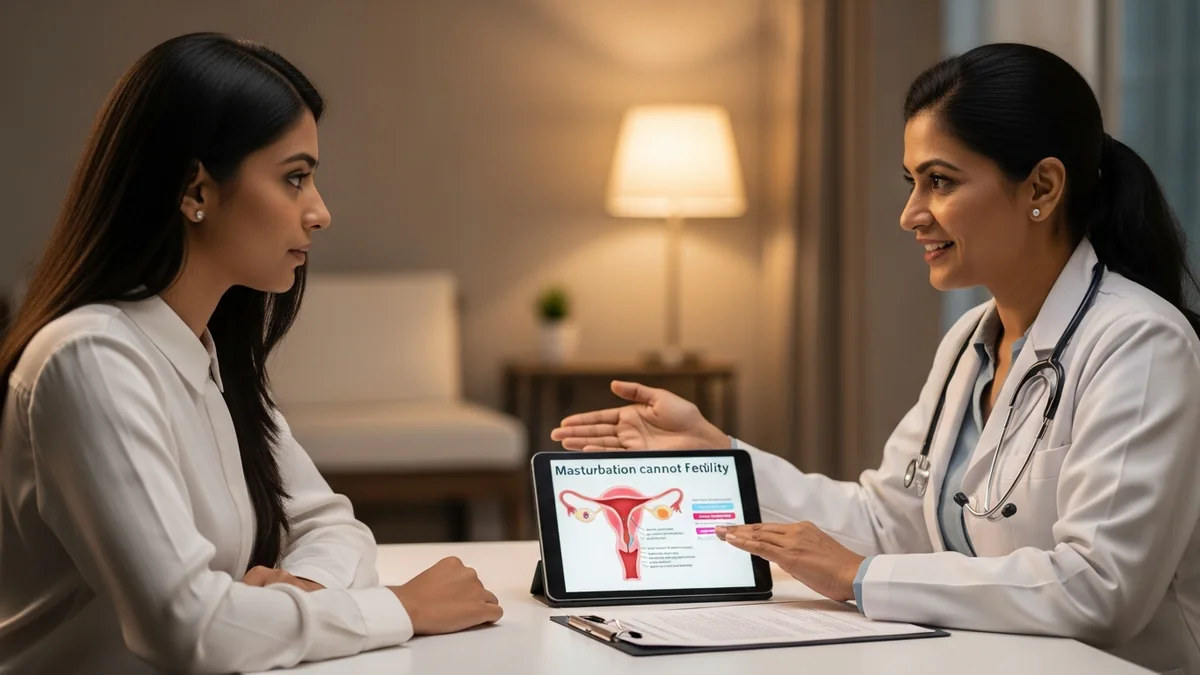
While masturbation does not cause infertility, it's important to seek professional help if you are experiencing difficulty conceiving or have concerns about your reproductive health. Here are some situations where consulting a fertility specialist is recommended:
- Age 35 or Older: Women aged 35 and older should seek help if they have been trying to conceive for six months or more.
- Irregular Periods: Irregular or absent periods can indicate ovulatory problems that may require treatment.
- Painful Periods: Severe pain during periods (dysmenorrhea) can be a sign of endometriosis or other underlying conditions.
- History of Pelvic Infections: A history of pelvic inflammatory disease (PID) can increase the risk of fallopian tube damage and infertility.
- Known Fertility Issues: If you or your partner have known fertility issues, such as low sperm count or PCOS, seeking specialized care is essential.
- Multiple Miscarriages: Recurrent miscarriages can indicate underlying medical conditions that need to be addressed.
For personalised guidance, book a consultation with Dr. Rukkayal Fathima. Remember, seeking help early can improve your chances of a successful pregnancy. My practice in Chennai is dedicated to providing comprehensive and compassionate care to individuals and couples facing fertility challenges. I also work directly in the IVF lab, which allows me to oversee and make key decisions, such as embryo grading, directly.
Related reading

Dr. Rukkayal Fathima
MBBS, MS (OBG), MRCOG (UK), FRM (Kiel University)
Fertility Specialist, Obstetrician, Gynecologist & Laparoscopic Surgeon
Dr. Rukkayal Fathima is one of India's leading Gynaecologists and the best fertility doctor in Chennai. She has 12+ years of experience and treated 3000+ patients. She specialises in IVF, ICSI, TESA/Micro TESE, IUI, Early Pregnancy Scan, Menopause advice, and Gynaecological surgeries. She is a Co-founder & Director of Yaal Fertility and Women's Centre, the Best Fertility Center in Chennai.
Have Questions About gynecology-care?
Every situation is unique. Dr. Rukkayal Fathima provides personalised, evidence-based guidance across multiple locations in Chennai.
Frequently Asked Questions
No, there's no scientific evidence linking masturbation to female infertility. Masturbation is a normal, healthy sexual activity and does not harm your reproductive system or affect your ability to conceive. Concerns about masturbation affecting ovulation or egg quality are unfounded.
No, masturbation does not affect ovulation or egg quality. Ovulation is a hormonal process independent of sexual activity. Egg quality is determined by factors like age, genetics, and overall health, not by masturbation habits.
Yes, masturbation is generally safe during fertility treatments like IVF. However, it's advisable to discuss any concerns with your fertility specialist. They can provide personalized guidance based on your specific treatment plan and medical history.
Yes, masturbation can be a healthy way to manage stress during fertility treatments. Sexual activity, including masturbation, can release endorphins, which have mood-boosting and stress-reducing effects. Managing stress is an important part of fertility treatment.
Masturbation does not have a direct impact on the menstrual cycle. The menstrual cycle is regulated by hormones, and masturbation does not disrupt this hormonal balance. Changes in the menstrual cycle are usually due to other factors like stress, diet, or underlying medical conditions.
There's no evidence to suggest that frequent masturbation is harmful to female fertility. Masturbation is a normal sexual behavior, and frequency does not impact your reproductive health. Focus on maintaining a healthy lifestyle, managing stress, and addressing any underlying medical issues.
Consult Dr. Rukkayal in Chennai
Available at 4 fertility clinic locations across Chennai. Walk-ins welcome; appointments preferred.
No. 747, Poonamallee High Road, Alagappa Nagar, Kilpauk, Chennai – 600 010
No. 149/1, Luz Church Road, Bhaskarapuram, Mylapore, Chennai – 600 004
No. 95, Plot No. 1, Velachery Main Road, Devi Karumariamman Nagar, Pallikaranai, Chennai – 600 100
Dr. Rukkayal is also a visiting consultant at Apollo Hospital, Motherhood Hospital, Cloud Nine Hospital, MGM Hospital, Metha Hospital and St. Isabel Hospital in Chennai. View all clinic locations