Thyroid & Infertility: What's the Link?

This article is part of our guide on Female Fertility in Chennai — see the full treatment overview, success rates, and costs.
Thyroid disorders can significantly impact fertility, affecting both the ability to conceive and maintain a healthy pregnancy. If you're experiencing difficulty getting pregnant in Chennai, understanding the link between your thyroid and fertility is crucial. Let's explore how thyroid function affects reproductive health and what steps you can take to improve your chances of conception.
What Is the Link Between Thyroid and Fertility?
The thyroid gland, located in the neck, produces hormones that regulate metabolism, energy levels, and various bodily functions. These hormones, primarily thyroxine (T4) and triiodothyronine (T3), also play a vital role in reproductive health. Imbalances in thyroid hormone levels, whether too high (hyperthyroidism) or too low (hypothyroidism), can disrupt the delicate hormonal balance required for ovulation, implantation, and maintaining a healthy pregnancy.
In my clinical experience, I've observed that even subtle thyroid imbalances can contribute to fertility challenges. Patients often ask me how such a small gland can have such a big impact on their ability to conceive. The answer lies in the intricate interplay between thyroid hormones and the reproductive system.
Hypothyroidism, or an underactive thyroid, is a condition where the thyroid gland doesn't produce enough thyroid hormone. This can lead to:
- Irregular Menstrual Cycles: Insufficient thyroid hormone can disrupt the normal menstrual cycle, leading to irregular periods or even the absence of menstruation (amenorrhea).
- Anovulation: Hypothyroidism can interfere with ovulation, the release of an egg from the ovary, making it difficult to conceive naturally.
- Increased Prolactin Levels: Hypothyroidism can sometimes lead to elevated levels of prolactin, a hormone that can suppress ovulation.
- Increased risk of miscarriage: Some studies suggest that untreated hypothyroidism may increase the risk of early pregnancy loss.
Hyperthyroidism, or an overactive thyroid, occurs when the thyroid gland produces too much thyroid hormone. This can result in:
- Irregular Menstrual Cycles: Excessive thyroid hormone can also disrupt the menstrual cycle, causing irregular periods or lighter-than-normal bleeding.
- Reduced Egg Quality: Hyperthyroidism may negatively impact the quality of eggs, making fertilisation less likely.
- Premature Ovarian Failure: In rare cases, hyperthyroidism can contribute to premature ovarian failure, a condition where the ovaries stop functioning before the age of 40.
- Increased risk of miscarriage: Untreated hyperthyroidism can also increase the risk of miscarriage.
According to a systematic review, thyroid dysfunction was consistently associated with menstrual abnormalities, infertility, premature ovarian failure, miscarriage, and adverse pregnancy outcomes.
Causes and Risk Factors of Thyroid Problems Affecting Fertility
Several factors can contribute to thyroid disorders that impact fertility. Understanding these causes and risk factors can help identify potential issues early on.
Common Causes:
- Autoimmune Diseases: Hashimoto's thyroiditis (an autoimmune disorder that attacks the thyroid gland) is the most common cause of hypothyroidism. Graves' disease (another autoimmune disorder) is the primary cause of hyperthyroidism.
- Iodine Deficiency: In regions with iodine deficiency, the thyroid gland may not be able to produce enough thyroid hormone. However, iodine deficiency is less common in Chennai due to the use of iodized salt.
- Thyroid Nodules: Non-cancerous growths on the thyroid gland can sometimes cause hyperthyroidism.
- Thyroiditis: Inflammation of the thyroid gland, often caused by a viral infection or autoimmune condition, can lead to temporary hyperthyroidism followed by hypothyroidism.
- Medications: Certain medications, such as lithium and amiodarone, can interfere with thyroid function.
Risk Factors:
- Family History: Having a family history of thyroid disorders increases your risk of developing thyroid problems.
- Age: The risk of thyroid disorders increases with age.
- Gender: Women are more likely than men to develop thyroid disorders.
- Autoimmune Diseases: Individuals with other autoimmune diseases, such as type 1 diabetes or rheumatoid arthritis, are at higher risk of developing thyroid disorders.
- Previous Thyroid Surgery or Radiation Therapy: Previous treatment for thyroid cancer or other thyroid conditions can affect thyroid function.
According to a meta-analysis, the worldwide pooled prevalence of thyroid autoantibody positivity was 20%. A significantly higher TAI prevalence was noted in the population with infertility than in healthy controls.
Signs and Symptoms of Thyroid Disorders That Could Affect Fertility
Recognising the signs and symptoms of thyroid disorders is the first step towards diagnosis and treatment. The symptoms can vary depending on whether you have hypothyroidism or hyperthyroidism.
Symptoms of Hypothyroidism:
- Fatigue and weakness
- Weight gain
- Constipation
- Dry skin and hair
- Hair loss
- Feeling cold
- Depression
- Memory problems
- Irregular menstrual cycles
Symptoms of Hyperthyroidism:
- Weight loss
- Rapid heartbeat
- Anxiety and irritability
- Tremors
- Sweating
- Heat intolerance
- Difficulty sleeping
- Enlarged thyroid gland (goiter)
- Irregular menstrual cycles
It's important to note that some of these symptoms can be subtle and may be attributed to other causes. If you're experiencing several of these symptoms, especially if you're also having difficulty conceiving, it's essential to consult a doctor for a thyroid evaluation.
How Thyroid Function Is Diagnosed in Chennai (Thyroid Test for Infertility)
Diagnosing thyroid disorders involves a combination of physical examination, symptom evaluation, and blood tests. In Chennai, several laboratories offer comprehensive thyroid testing services.
Common Thyroid Tests:
- TSH (Thyroid-Stimulating Hormone) Test: This is the primary test used to assess thyroid function. TSH is a hormone produced by the pituitary gland that stimulates the thyroid gland to produce thyroid hormones. High TSH levels usually indicate hypothyroidism, while low TSH levels suggest hyperthyroidism.
- Free T4 (Thyroxine) Test: This test measures the level of unbound T4 in the blood. Free T4 is the active form of T4 that can enter cells and exert its effects.
- Free T3 (Triiodothyronine) Test: This test measures the level of unbound T3 in the blood. T3 is the more potent form of thyroid hormone.
- Thyroid Antibody Tests: These tests detect the presence of antibodies that attack the thyroid gland, such as anti-TPO (anti-thyroid peroxidase) and anti-Tg (anti-thyroglobulin) antibodies. These antibodies are often present in autoimmune thyroid disorders like Hashimoto's thyroiditis and Graves' disease.
- Thyroid Ultrasound: This imaging test uses sound waves to create a picture of the thyroid gland. It can help identify thyroid nodules or other abnormalities.
The TSH test is usually the first test performed. If the TSH level is abnormal, further testing with free T4 and/or free T3 may be necessary to confirm the diagnosis and determine the severity of the thyroid disorder. Thyroid antibody tests can help identify autoimmune thyroid disorders.
Treatment Options for Thyroid Problems and Fertility in Chennai
The treatment for thyroid disorders depends on whether you have hypothyroidism or hyperthyroidism. The goal of treatment is to restore normal thyroid hormone levels and alleviate symptoms.
Treatment for Hypothyroidism:
- Levothyroxine: This is a synthetic form of T4 that is used to replace the thyroid hormone that your body is not producing. Levothyroxine is taken orally once a day. The dosage is adjusted based on your TSH levels. Regular monitoring of TSH levels is necessary to ensure that you're taking the correct dose.
Treatment for Hyperthyroidism:
- Antithyroid Medications: These medications, such as methimazole and propylthiouracil (PTU), block the thyroid gland's ability to produce thyroid hormone.
- Radioactive Iodine Therapy: This treatment involves taking a capsule or liquid containing radioactive iodine, which destroys thyroid cells.
- Surgery: In some cases, surgery to remove part or all of the thyroid gland may be necessary.
In the context of fertility, it's crucial to maintain optimal thyroid hormone levels. Many fertility specialists aim for a TSH level below 2.5 mIU/L for women trying to conceive, particularly those undergoing fertility treatments. However, the American Society for Reproductive Medicine (ASRM) advises against routine thyroid testing in asymptomatic individuals. Treatment may be considered for women with positive thyroid antibodies, especially if the TSH level is over 2.5 mIU/L.
Lifestyle Changes and Prevention
While medical treatment is often necessary to manage thyroid disorders, lifestyle changes can also play a supportive role in maintaining thyroid health and improving fertility outcomes.
Dietary Recommendations:
- Iodine: Ensure adequate iodine intake through iodized salt, seafood, and dairy products. However, avoid excessive iodine intake, as it can worsen hyperthyroidism.
- Selenium: Include selenium-rich foods in your diet, such as Brazil nuts, sunflower seeds, and seafood. Selenium is important for thyroid hormone production and conversion.
- Zinc: Consume zinc-rich foods, such as meat, shellfish, and legumes. Zinc is essential for thyroid hormone synthesis.
- Iron: Maintain adequate iron levels through iron-rich foods like lean meats, spinach, and lentils.
- Vitamin D: Get enough vitamin D through sunlight exposure, fortified foods, and supplements if necessary. Low vitamin D levels have been associated with more severe hypothyroid symptoms.
- Avoid Goitrogens: Limit your intake of goitrogenic foods, such as cruciferous vegetables (broccoli, cabbage, cauliflower) and soy products, especially if you have hypothyroidism. Cooking these foods can reduce their goitrogenic effects.
Other Lifestyle Recommendations:
- Stress Management: Practice stress-reducing techniques, such as yoga, meditation, and deep breathing exercises. Stress can negatively impact thyroid function.
- Regular Exercise: Engage in regular physical activity to maintain a healthy weight and improve overall health.
- Avoid Smoking: Smoking can interfere with thyroid function and worsen thyroid disorders.
- Limit Alcohol Consumption: Excessive alcohol consumption can negatively impact thyroid health.
This table summarizes the key nutrients and foods beneficial for thyroid health and fertility:
| Nutrient | Foods | Benefits |
|---|---|---|
| Iodine | Iodized salt, seaweed, seafood, dairy products | Essential for thyroid hormone production |
| Selenium | Brazil nuts, sunflower seeds, seafood | Helps convert T4 into the active T3 form |
| Zinc | Meat, shellfish, legumes | Supports thyroid function and hormone production |
| Vitamin D | Sunlight exposure, fortified foods, supplements | Plays a role in immune function and thyroid health. Low levels have been associated with more severe hypothyroid symptoms. |
| Iron | Lean meats, spinach, lentils | Vital role in thyroid health. |

When to See a Fertility Specialist in Chennai
If you're experiencing difficulty conceiving and suspect that a thyroid disorder may be contributing to your fertility challenges, it's essential to seek professional help. A fertility specialist can evaluate your thyroid function, assess your overall reproductive health, and recommend appropriate treatment options.
Consider consulting a fertility specialist if you:
- Have a personal or family history of thyroid disorders.
- Are experiencing symptoms of hypothyroidism or hyperthyroidism.
- Have irregular menstrual cycles.
- Have been trying to conceive for more than a year (or six months if you're over 35).
- Have experienced recurrent miscarriages.
Dr. Rukkayal Fathima is a fertility specialist practising across multiple locations in Chennai, including Egmore/Chetpet, Mylapore, and Tambaram. With extensive experience in reproductive medicine and a specialisation in IVF with direct embryology involvement, Dr. Rukkayal can provide comprehensive evaluation and personalised treatment plans to address thyroid-related fertility issues as part of a full female fertility evaluation. For personalised guidance, book a consultation with Dr. Rukkayal Fathima.
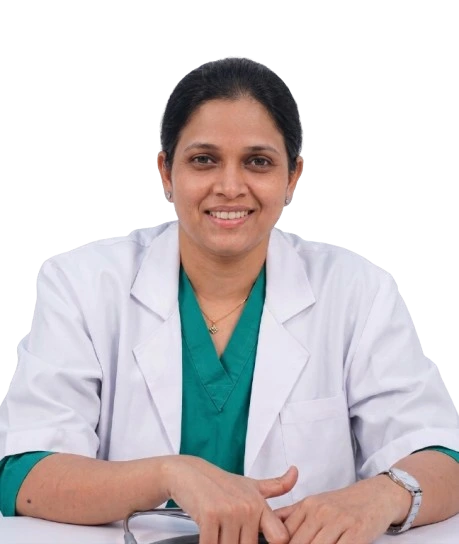
Dr. Rukkayal Fathima
MBBS, MS (OBG), MRCOG (UK), FRM (Kiel University)
Fertility Specialist, Obstetrician, Gynecologist & Laparoscopic Surgeon
Dr. Rukkayal Fathima is one of India's leading Gynaecologists and the best fertility doctor in Chennai. She has 12+ years of experience and treated 3000+ patients. She specialises in IVF, ICSI, TESA/Micro TESE, IUI, Early Pregnancy Scan, Menopause advice, and Gynaecological surgeries. She is a Co-founder & Director of Yaal Fertility and Women's Centre, the Best Fertility Center in Chennai.
Have Questions About Female Fertility?
Every situation is unique. Dr. Rukkayal Fathima provides personalised, evidence-based guidance across multiple locations in Chennai.
Frequently Asked Questions
Yes, both hypothyroidism (underactive thyroid) and hyperthyroidism (overactive thyroid) can disrupt ovulation and menstrual cycles, making it harder to conceive. Thyroid hormones play a crucial role in reproductive health.
The primary test is a TSH (thyroid-stimulating hormone) blood test. Depending on your TSH level and symptoms, your doctor may also test free T4 (thyroxine) and thyroid antibodies (anti-TPO and anti-Tg).
Hypothyroidism can lead to irregular periods, anovulation (lack of ovulation), and increased prolactin levels, all of which can interfere with fertility. It's essential to maintain optimal thyroid hormone levels when trying to conceive.
Hyperthyroidism can cause irregular menstrual cycles, reduced egg quality, and, in some cases, premature ovarian failure. Managing hyperthyroidism is crucial for improving fertility outcomes.
While guidelines vary, many fertility specialists aim for a TSH level below 2.5 mIU/L for women trying to conceive, particularly those undergoing fertility treatments. However, the American Society for Reproductive Medicine (ASRM) advises against routine thyroid testing in asymptomatic individuals.
Yes, if a thyroid disorder is diagnosed, treatment with medication (usually levothyroxine for hypothyroidism) can help restore normal thyroid function and improve fertility. It's important to work closely with your doctor to monitor your thyroid levels.
Consult Dr. Rukkayal in Chennai
Available at 4 fertility clinic locations across Chennai. Walk-ins welcome; appointments preferred.
No. 747, Poonamallee High Road, Alagappa Nagar, Kilpauk, Chennai – 600 010
No. 149/1, Luz Church Road, Bhaskarapuram, Mylapore, Chennai – 600 004
No. 95, Plot No. 1, Velachery Main Road, Devi Karumariamman Nagar, Pallikaranai, Chennai – 600 100
Dr. Rukkayal is also a visiting consultant at Apollo Hospital, Motherhood Hospital, Cloud Nine Hospital, MGM Hospital, Metha Hospital and St. Isabel Hospital in Chennai. View all clinic locations