Period Myths Debunked: Facts vs Fiction
This article is part of our guide on gynecology-care in Chennai — see the full treatment overview, success rates, and costs.
Menstruation, a natural part of life for women, is often surrounded by myths. These period myths and facts vary across cultures, impacting how women perceive and manage their menstrual health. As a fertility specialist practising in Chennai, I often encounter patients burdened by these misconceptions. Let's debunk some common period myths and replace them with evidence-based facts.
The Link Between Period Myths and Fertility
Period myths can impact a woman's understanding of her body, her health-seeking behaviour, and ultimately, her fertility. For instance, believing that certain foods are harmful during menstruation might lead to unnecessary dietary restrictions, potentially affecting overall health and well-being. Similarly, misconceptions about hygiene practices can lead to discomfort and even infections. Understanding the truth behind these myths is crucial for making informed decisions about your health and fertility.
In my clinical experience, many women delay seeking medical help for menstrual irregularities or pain due to the belief that these issues are normal or untreatable. This delay can have significant consequences, especially if the underlying cause is a condition like endometriosis or PCOS, which can impact fertility. It's essential to recognize that while some menstrual discomfort is common, severe pain or irregular cycles should always be evaluated by a healthcare professional.
Foods to Avoid During Periods: Myths vs. Facts
One of the most prevalent period myths revolves around dietary restrictions. Many cultures have specific foods that are believed to be harmful during menstruation. Let's examine some of these myths and the science behind them.
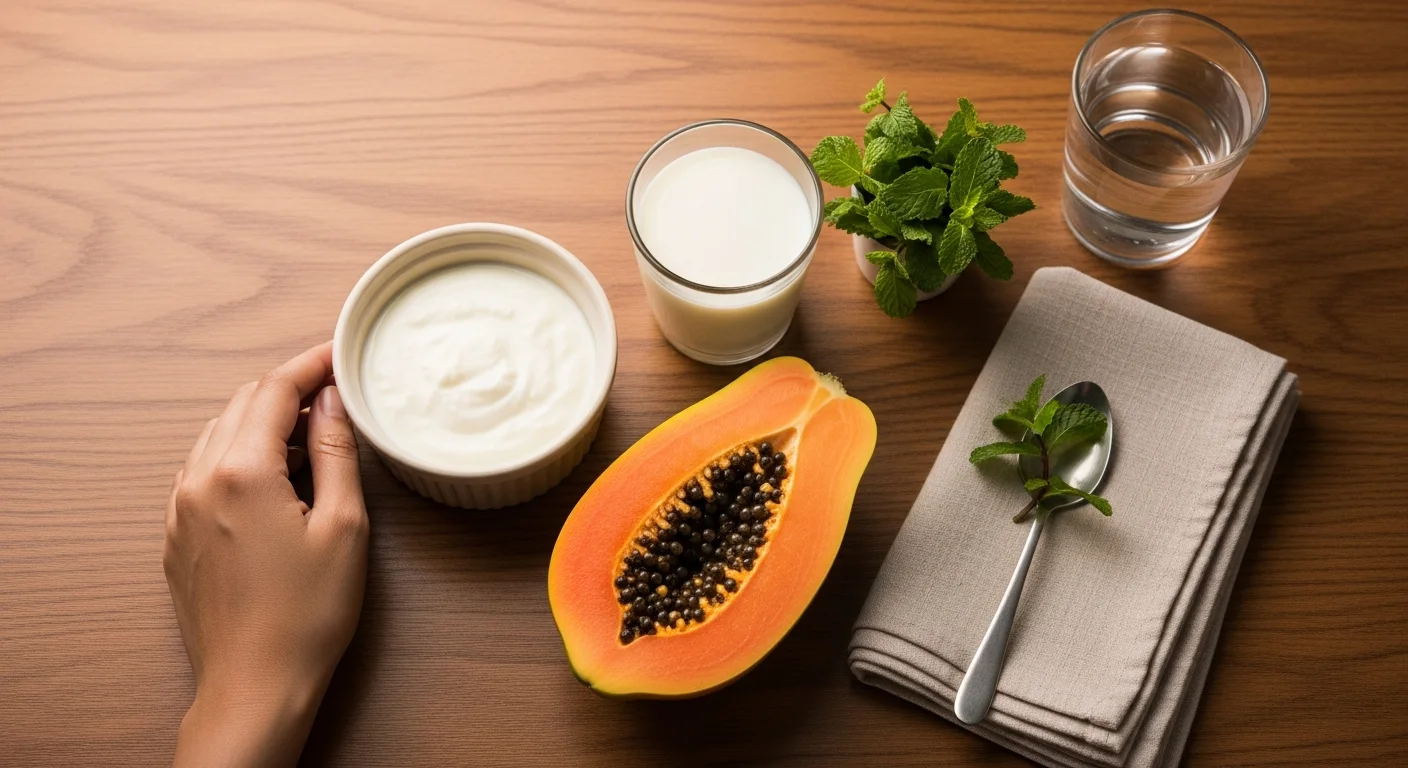
- Myth: Avoid sour foods like curd (yogurt) and tamarind. There's no scientific evidence to support this claim. Curd, in fact, is a good source of probiotics and calcium, which can be beneficial during menstruation. Tamarind, while acidic, doesn't have any proven negative effects on the menstrual cycle.
- Myth: Avoid cold drinks and ice cream. This myth stems from the belief that cold foods can worsen cramps. However, there's no physiological basis for this. While some women may find that cold foods exacerbate their discomfort, it's more likely due to individual sensitivity rather than a universal effect.
- Myth: Avoid milk and dairy products. Similar to the sour food myth, this restriction is unfounded. Milk is a good source of calcium and vitamin D, both of which are important for bone health and may even help alleviate PMS symptoms.
- Myth: Avoid spicy foods. While spicy foods can cause digestive upset in some individuals, there's no direct link between spice consumption and menstrual problems. If you find that spicy foods worsen your cramps or bloating, it's best to avoid them, but otherwise, they're generally safe to consume.
In reality, a balanced diet rich in fruits, vegetables, whole grains, and lean protein is the best approach during menstruation. Iron-rich foods are particularly important to replenish iron lost during blood flow.
Hair Wash During Periods: The Truth Behind the Myth
Another common period myth, particularly prevalent in many parts of India, is the belief that washing your hair during your period is harmful. Some believe it can increase menstrual flow, cause headaches, or even lead to infertility. There's absolutely no scientific basis for these claims.
Washing your hair is a matter of personal hygiene and has no physiological effect on your menstrual cycle. Maintaining good hygiene during menstruation is crucial for preventing infections and promoting overall well-being. In fact, a warm shower can often help soothe cramps and relax muscles. Feel free to wash your hair as frequently as you normally would, regardless of your menstrual cycle.
How Key Nutrients Impact Menstrual Symptoms — Evidence
While there are many myths about specific foods to avoid, focusing on incorporating key nutrients can positively influence menstrual symptoms. Several nutrients play a crucial role in managing inflammation, hormone balance, and overall well-being during menstruation.
| Nutrient | Impact on Menstrual Symptoms | Food Sources |
|---|---|---|
| Iron | Replenishes iron lost during menstruation, preventing anemia and fatigue. Deficiency can exacerbate PMS symptoms and lead to hormonal imbalances. | Red meat, poultry, fish, lentils, beans, spinach, fortified cereals. |
| Magnesium | Helps relax muscles, reduce cramps, and improve mood. Magnesium deficiency is linked to increased PMS symptoms. | Leafy green vegetables, nuts, seeds, whole grains, dark chocolate. |
| Vitamin B6 | Supports neurotransmitter function, potentially alleviating mood swings and irritability. May also help reduce bloating. | Poultry, fish, bananas, potatoes, fortified cereals. |
| Omega-3 Fatty Acids | Possess anti-inflammatory properties, which can help reduce menstrual pain and inflammation. May also improve mood and cognitive function. | Fatty fish (salmon, mackerel, tuna), flaxseeds, chia seeds, walnuts. |
| Calcium | Important for bone health and may help reduce muscle cramps. Some studies suggest a link between calcium deficiency and increased PMS symptoms. | Dairy products, leafy green vegetables, fortified plant-based milks. |
| Zinc | Plays a role in hormone regulation and immune function. Zinc deficiency can negatively impact menstrual cycle regularity and fertility. | Oysters, red meat, poultry, beans, nuts, seeds. |
| Vitamin D | Regulates over 200 genes and is essential for metabolism and ovulation. Vitamin D deficiency has been linked to an increased risk of menstrual irregularities and PMS. Many people are deficient, especially in Chennai. | Fatty fish, egg yolks, fortified foods, sunlight exposure (though often insufficient). |
| Fiber | Promotes healthy digestion and helps regulate blood sugar levels. Fiber-rich foods can also help reduce bloating and constipation. | Fruits, vegetables, whole grains, legumes. |
It's important to note that while these nutrients can be beneficial, they are not a substitute for medical advice. If you're experiencing severe menstrual symptoms, it's essential to consult a healthcare professional.
Foods and Habits to Avoid During Periods
While a balanced diet is crucial, some foods and habits might exacerbate menstrual symptoms. These aren't strict "no-nos," but rather things to be mindful of:
- Excessive Caffeine: Caffeine can worsen anxiety, irritability, and sleep disturbances, all of which can be amplified during menstruation.
- Sugary Snacks: While cravings for sweets are common during periods, excessive sugar intake can lead to blood sugar crashes, mood swings, and increased inflammation.
- Processed Foods: High in sodium, unhealthy fats, and artificial additives, processed foods can contribute to bloating, water retention, and overall discomfort.
- Alcohol: Alcohol can worsen PMS symptoms, disrupt sleep, and interfere with certain medications.
- Smoking: Smoking has numerous negative health effects, including worsening menstrual cramps and increasing the risk of fertility problems.
Beyond Period Myths: A Holistic Approach
Managing menstrual health involves more than just debunking myths; it requires a holistic approach that considers lifestyle factors, emotional well-being, and medical care.
- Regular Exercise: Moderate physical activity can help reduce cramps, improve mood, and promote overall health.
- Stress Management: Stress can worsen PMS symptoms and disrupt menstrual cycles. Practicing relaxation techniques like yoga, meditation, or deep breathing can be beneficial.
- Adequate Sleep: Getting enough sleep is crucial for hormone regulation and overall well-being. Aim for 7-8 hours of quality sleep per night.
- Hydration: Drinking plenty of water can help reduce bloating and prevent dehydration.
- Menstrual Hygiene: Choose menstrual products that are comfortable and absorbent, and change them regularly to prevent infections.

When to Seek Professional Help
While many menstrual symptoms are normal, some warrant medical attention. Consult a doctor if you experience:
- Severe pain that interferes with daily activities
- Heavy bleeding that soaks through pads or tampons every hour
- Irregular cycles (shorter than 21 days or longer than 35 days)
- Missed periods
- Bleeding between periods
- Symptoms of anemia (fatigue, weakness, shortness of breath)
These symptoms could indicate underlying conditions like endometriosis, PCOS, fibroids, or hormonal imbalances. Early diagnosis and treatment can improve your quality of life and protect your fertility. For personalised guidance, book a consultation with Dr. Rukkayal Fathima. As a fertility specialist in Chennai, I am committed to providing evidence-based care and debunking harmful period myths.

Dr. Rukkayal Fathima
MBBS, MS (OBG), MRCOG (UK), FRM (Kiel University)
Fertility Specialist, Obstetrician, Gynecologist & Laparoscopic Surgeon
Dr. Rukkayal Fathima is one of India's leading Gynaecologists and the best fertility doctor in Chennai. She has 12+ years of experience and treated 3000+ patients. She specialises in IVF, ICSI, TESA/Micro TESE, IUI, Early Pregnancy Scan, Menopause advice, and Gynaecological surgeries. She is a Co-founder & Director of Yaal Fertility and Women's Centre, the Best Fertility Center in Chennai.
Have Questions About gynecology-care?
Every situation is unique. Dr. Rukkayal Fathima provides personalised, evidence-based guidance across multiple locations in Chennai.
Frequently Asked Questions
No, this is a common myth. Washing your hair during your period has no negative impact on your health or menstrual flow. Maintaining good hygiene is essential, and regular showers, including hair washing, are perfectly safe and recommended.
While some women find that certain foods worsen their PMS symptoms, there's no strict list of foods to avoid universally. Processed foods, excessive caffeine, and sugary snacks may exacerbate bloating and mood swings in some individuals. Listen to your body and adjust your diet accordingly.
Not at all! Light to moderate exercise can actually help alleviate menstrual cramps, bloating, and mood swings. Activities like walking, yoga, or swimming can be beneficial. However, avoid strenuous activities if you feel uncomfortable.
Yes, it's possible, though less likely. Sperm can survive for up to five days in the female reproductive tract. If you have a shorter menstrual cycle, ovulation can occur soon after your period ends, increasing the chance of conception from unprotected sex during menstruation.
Absolutely not. Menstrual blood is a natural bodily fluid composed of blood, uterine tissue, and mucus. It's not toxic or impure. This misconception contributes to unnecessary stigma surrounding menstruation. Maintaining proper hygiene practices during your period is important, but menstruation itself is a normal process.
No, this is a misconception. Using hormonal birth control to skip periods does not harm your fertility. Your natural menstrual cycle will typically resume after you stop taking the medication. In fact, hormonal birth control can sometimes protect fertility by managing conditions like endometriosis or PCOS.
Consult Dr. Rukkayal in Chennai
Available at 4 fertility clinic locations across Chennai. Walk-ins welcome; appointments preferred.
No. 747, Poonamallee High Road, Alagappa Nagar, Kilpauk, Chennai – 600 010
No. 149/1, Luz Church Road, Bhaskarapuram, Mylapore, Chennai – 600 004
No. 95, Plot No. 1, Velachery Main Road, Devi Karumariamman Nagar, Pallikaranai, Chennai – 600 100
Dr. Rukkayal is also a visiting consultant at Apollo Hospital, Motherhood Hospital, Cloud Nine Hospital, MGM Hospital, Metha Hospital and St. Isabel Hospital in Chennai. View all clinic locations