How Many Eggs Can a Woman Donate? Limits & Rules
This article is part of our guide on IVF Treatment in Chennai — see the full treatment overview, success rates, and costs.
Egg donation is a generous act that helps individuals and couples struggling with infertility to achieve their dream of parenthood. If you're considering becoming an egg donor, you likely have questions about the process, including, most importantly, how many eggs can a woman donate? The American Society for Reproductive Medicine (ASRM) recommends a limit of no more than six egg donation cycles per donor in her lifetime. This limit is in place to protect the donor's health and well-being.
What Is Egg Donation and How Does It Work
Egg donation is a process where a woman (the donor) provides eggs (oocytes) to another woman (the recipient) to help her conceive. This is typically done through In Vitro Fertilization (IVF). Egg donation is considered when the intended mother cannot produce viable eggs due to various reasons, such as premature ovarian failure, advanced age, genetic conditions, or previous cancer treatments.
The egg donation process involves several key steps:
- Screening and Matching: Potential donors undergo thorough medical, psychological, and genetic screening to ensure they are healthy and suitable for donation. They are then matched with a recipient based on factors like physical characteristics, ethnicity, and preferences.
- Ovarian Stimulation: Once matched, the donor undergoes ovarian stimulation using fertility medications. These medications stimulate the ovaries to produce multiple eggs rather than the single egg that is typically released each month.
- Monitoring: Throughout the stimulation process, the donor is closely monitored with ultrasounds and blood tests to track the development of the follicles (fluid-filled sacs containing the eggs).
- Egg Retrieval: When the follicles reach the appropriate size, the eggs are retrieved through a minor surgical procedure called transvaginal ultrasound-guided aspiration. This involves using a needle inserted through the vagina to extract the eggs from the follicles.
- Fertilization: The retrieved eggs are then fertilized in the IVF laboratory with sperm from the recipient's partner or a sperm donor.
- Embryo Transfer: The resulting embryos are cultured for a few days, and one or two of the healthiest embryos are transferred to the recipient's uterus, with the goal of achieving pregnancy.
As a fertility specialist practicing across multiple locations in Chennai, I've seen firsthand the positive impact egg donation can have on families struggling with infertility. It's a truly selfless act that offers hope and the possibility of parenthood to those who may not otherwise be able to conceive.
Who Needs Egg Donation
Egg donation is a viable option for women facing various fertility challenges. Common reasons for needing egg donation include:
- Premature Ovarian Failure (POF): Also known as early menopause, POF occurs when the ovaries stop functioning before the age of 40. This results in a lack of egg production and hormonal imbalances.
- Advanced Maternal Age: As women age, the quality and quantity of their eggs decline, making it more difficult to conceive and increasing the risk of chromosomal abnormalities in the eggs. Women over 40 often consider egg donation to improve their chances of a successful pregnancy. According to the ESHRE data collected for 2013, pregnancy rates were very high at around 50% per treatment.
- Genetic Conditions: Women who carry certain genetic disorders may choose egg donation to avoid passing these conditions on to their children.
- Repeated IVF Failures: Women who have undergone multiple unsuccessful IVF cycles with their own eggs may consider egg donation as a way to improve their chances of success.
- Absent Ovaries: Some women may have had their ovaries removed due to medical reasons, such as cancer or severe endometriosis.
- Poor Egg Quality: In some cases, women may produce eggs that are of poor quality, making fertilization and healthy embryo development difficult.
In my clinical experience, many patients who pursue egg donation have already explored other fertility treatments without success. Egg donation offers a significant chance of achieving pregnancy for these individuals and couples.
Egg Donation Cycles Allowed and ASRM Guidelines
The American Society for Reproductive Medicine (ASRM) provides guidelines to ensure the safety and ethical practice of egg donation. One of the key recommendations is a limit on the number of egg donation cycles a woman can undergo in her lifetime.
ASRM recommends that a woman should not donate eggs in more than six cycles throughout her life. This limit is in place to protect the donor's health and well-being, as well as to minimize the risk of potential long-term effects.
Here's a breakdown of the key considerations behind this recommendation:
- Donor Safety: Repeated ovarian stimulation and egg retrieval procedures can pose risks to the donor's health. These risks include ovarian hyperstimulation syndrome (OHSS), hormonal imbalances, and surgical complications. Limiting the number of cycles helps to minimize these risks.
- Preventing Consanguinity: Although rare, there is a theoretical risk of inadvertent consanguinity (the possibility of genetically related individuals unknowingly forming relationships and having children) if a donor has a large number of offspring in a specific geographic area. ASRM advises "an arbitrary limit of no more than 25 pregnancies per donor per population of 800,000, in order to minimize the risks of consanguinity."
- Cumulative Effects: While individual egg donation cycles are generally considered safe, the long-term effects of repeated stimulation and retrieval are not fully understood. Limiting the number of cycles helps to mitigate any potential cumulative risks.
- Total Eggs Donated: ASRM suggests donors should only donate between 60-120 eggs total in their lifetime.
It's important to note that individual clinics and agencies may have stricter criteria or policies regarding the number of egg donation cycles they allow. These policies may take into account the donor's overall health, age, and previous donation history.
Egg Donation Eligibility in Chennai
To become an egg donor in Chennai, certain eligibility criteria must be met to ensure the safety and well-being of both the donor and the recipient. While specific requirements may vary slightly between clinics, the general guidelines typically include:
- Age: Donors are generally between the ages of 21 and 30. This age range is considered optimal for egg quality and overall health.
- Health: Donors must be in good overall health, with no significant medical conditions or a family history of genetic disorders. They will undergo a thorough medical evaluation to assess their health status.
- Lifestyle: Donors should be non-smokers and have a healthy Body Mass Index (BMI). Smoking and being overweight can negatively impact egg quality and fertility.
- Regular Menstrual Cycles: Donors should have regular and predictable menstrual cycles, indicating normal ovarian function.
- Psychological Evaluation: Donors undergo a psychological evaluation to assess their emotional readiness and understanding of the egg donation process.
- Genetic Screening: Donors are screened for common genetic disorders to minimize the risk of passing on any inherited conditions to the offspring.
- Infectious Disease Screening: Donors are tested for infectious diseases, such as HIV, hepatitis B, and hepatitis C, to ensure the safety of the recipient and the resulting pregnancy.
Here's a summary of the general eligibility criteria:
- Age: 21–30 years (optimal egg quality, lower aneuploidy risk)
- BMI: 18.5–28 (significantly under or over this range affects ovarian response)
- Cycle regularity: 24–35 day regular cycles required
- Non-smoker, non-drug user, light alcohol only
- No major medical or psychiatric conditions, no inherited disorders in family
- Screened negative for HIV 1/2, HBsAg, HCV, VDRL/syphilis, CMV, chlamydia and gonorrhoea before each cycle (mandatory under ICMR/ART Act 2021)
- Married, with at least one living child (mandatory under the ART (Regulation) Act 2021 in India — a key legal restriction not all donor candidates are aware of)

When to Seek Professional Help
If you're considering becoming an egg donor, or you're an intended parent exploring donor egg IVF in Chennai, it's important to consult an experienced fertility specialist who can guide you through eligibility, legal requirements under the ART Act 2021, and the full medical workup. Explore our donor egg IVF programme to understand the process end to end. For personalised guidance, book a consultation with Dr. Rukkayal Fathima.
Related reading
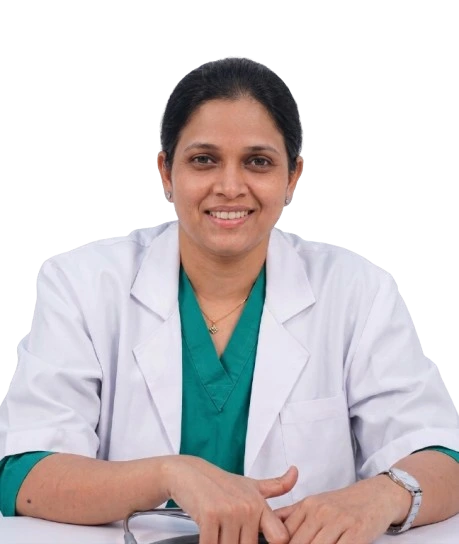
Dr. Rukkayal Fathima
MBBS, MS (OBG), MRCOG (UK), FRM (Kiel University)
Fertility Specialist, Obstetrician, Gynecologist & Laparoscopic Surgeon
Dr. Rukkayal Fathima is one of India's leading Gynaecologists and the best fertility doctor in Chennai. She has 12+ years of experience and treated 3000+ patients. She specialises in IVF, ICSI, TESA/Micro TESE, IUI, Early Pregnancy Scan, Menopause advice, and Gynaecological surgeries. She is a Co-founder & Director of Yaal Fertility and Women's Centre, the Best Fertility Center in Chennai.
Have Questions About IVF Treatment?
Every situation is unique. Dr. Rukkayal Fathima provides personalised, evidence-based guidance across multiple locations in Chennai.
Frequently Asked Questions
The American Society for Reproductive Medicine (ASRM) recommends a limit of no more than six egg donation cycles per donor in her lifetime. This helps protect the donor's health and reduces the risk of accidental consanguinity.
The most common risks are temporary, including bloating, cramping, and mood changes due to hormonal fluctuations. Ovarian Hyperstimulation Syndrome (OHSS) is a less common but more serious risk, occurring in a small percentage of donors. Serious complications occur in fewer than 1% of cycles.
Current research does not confirm a link between egg donation and reduced future fertility or an increased risk of cancer. However, it's essential to discuss any concerns with your fertility specialist. A comprehensive health check is done before each cycle.
Most clinics recommend waiting at least one full menstrual cycle, and sometimes a bit longer, between donations to allow your body time to recover. A standard is at least three months between cycles to ensure complete hormonal and physical recovery.
Generally, donors are between 21 and 30 years old, have regular menstrual cycles, are non-smokers, and have a healthy BMI. They undergo thorough medical, genetic, and psychological screening. Specific requirements may vary between clinics in Chennai.
Compensation for egg donation varies. It is designed to acknowledge the time, effort, and commitment involved in the process. The exact amount may vary depending on the clinic and the number of donations. Please contact us for current compensation details.
Consult Dr. Rukkayal in Chennai
Available at 4 fertility clinic locations across Chennai. Walk-ins welcome; appointments preferred.
No. 747, Poonamallee High Road, Alagappa Nagar, Kilpauk, Chennai – 600 010
No. 149/1, Luz Church Road, Bhaskarapuram, Mylapore, Chennai – 600 004
No. 95, Plot No. 1, Velachery Main Road, Devi Karumariamman Nagar, Pallikaranai, Chennai – 600 100
Dr. Rukkayal is also a visiting consultant at Apollo Hospital, Motherhood Hospital, Cloud Nine Hospital, MGM Hospital, Metha Hospital and St. Isabel Hospital in Chennai. View all clinic locations