Foods to Improve Sperm Quality & Health

This article is part of our guide on Male Fertility in Chennai — see the full treatment overview, success rates, and costs.
Are you looking for ways to improve sperm health naturally? Diet and lifestyle play a significant role in male fertility. By incorporating specific foods and adopting healthy habits, you can positively impact sperm count, motility, and morphology.
The Link Between Diet and Fertility
The connection between diet and fertility is well-established. What you eat directly impacts your overall health, including the health of your sperm. Deficiencies in certain nutrients can impair sperm production and function, while a diet rich in antioxidants and essential vitamins can protect sperm from damage and improve their quality. In my clinical experience, I've seen significant improvements in semen parameters in men who adopt a fertility-friendly diet. Addressing nutritional deficiencies is a cornerstone of male fertility treatment.
A balanced diet provides the building blocks for healthy sperm development. Sperm production, or spermatogenesis, is a complex process that requires a steady supply of nutrients. Key nutrients like zinc, selenium, folate, and vitamins C and E are essential for sperm health. These nutrients act as antioxidants, protecting sperm from oxidative stress, which can damage sperm DNA and reduce motility. Studies have shown that oxidative stress is a major contributor to male infertility, affecting up to 80% of cases.
Furthermore, maintaining a healthy weight through diet and exercise is crucial. Obesity can disrupt hormone levels, leading to decreased testosterone production and impaired sperm quality. Conversely, being underweight can also negatively impact sperm health. Aim for a balanced approach to nutrition and exercise to support optimal fertility.
Key Nutrients and Foods for Sperm Health
Several key nutrients play a vital role in sperm health. Incorporating foods rich in these nutrients can significantly improve sperm quality and overall fertility.
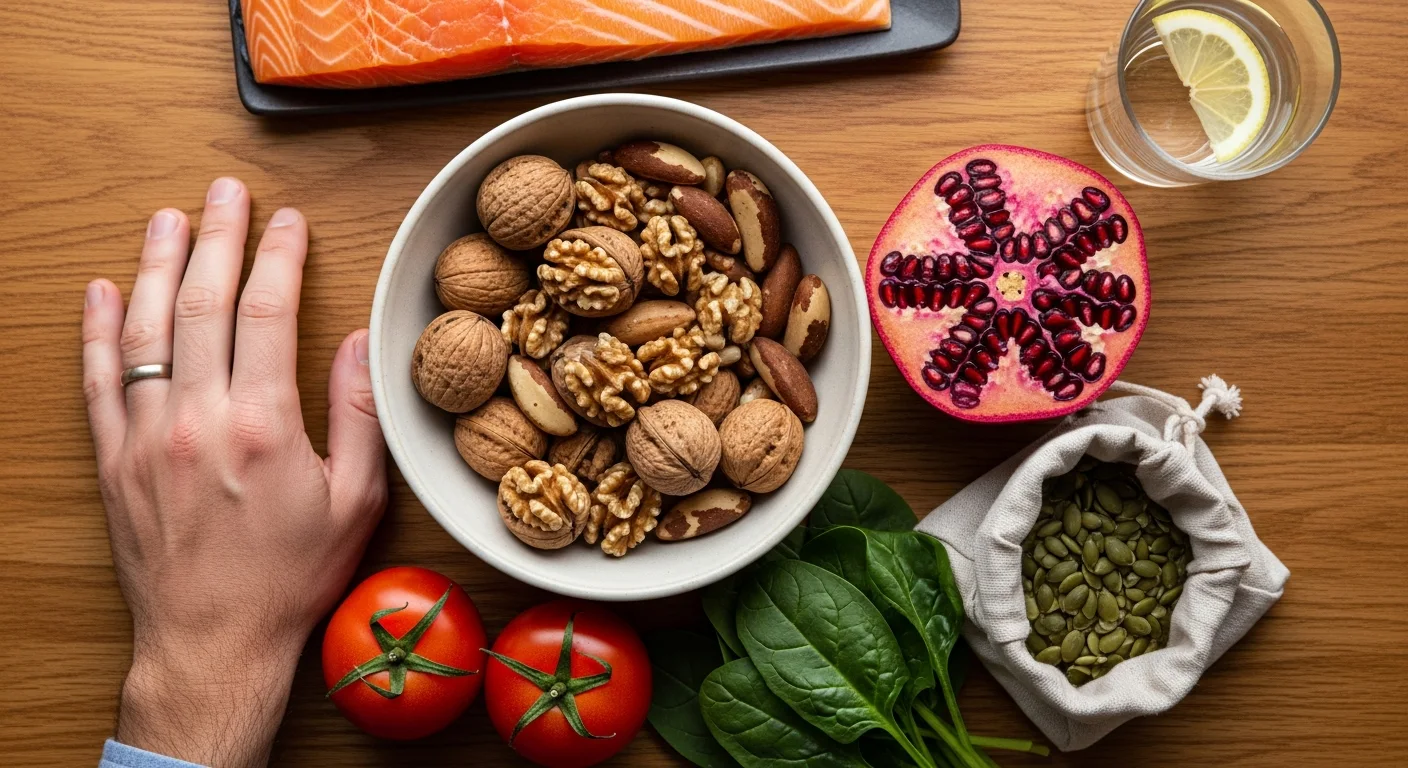
- Antioxidants: Protect sperm from oxidative stress. Examples include Vitamin C (citrus fruits, berries), Vitamin E (nuts, seeds, vegetable oils), Selenium (Brazil nuts, seafood), and Lycopene (tomatoes, watermelon).
- Zinc: Essential for sperm production and testosterone metabolism. Good sources include oysters, red meat, poultry, and beans.
- Folate: Crucial for DNA synthesis and sperm health. Found in leafy green vegetables, legumes, and fortified grains.
- Omega-3 Fatty Acids: Improve sperm concentration and motility. Sources include fatty fish (salmon, mackerel), flaxseeds, and walnuts.
- Coenzyme Q10 (CoQ10): Supports energy production in sperm cells, improving motility. Found in meat, poultry, and fish. Supplements are also available.
Patients often ask me about the specific foods they should eat to improve their sperm health. While a balanced diet is key, focusing on nutrient-rich foods can make a significant difference. For instance, incorporating Brazil nuts (high in selenium) and fatty fish (rich in omega-3s) into your diet can provide targeted support for sperm production and function.
Best Foods for Sperm Health: A Comparison
Here's a comparison of some of the best foods for sperm health, highlighting their key nutrients and benefits:
| Food | Key Nutrients | Benefits | Serving Suggestion |
|---|---|---|---|
| Brazil Nuts | Selenium | Protects sperm from oxidative damage, improves sperm motility | 2-3 nuts per day |
| Fatty Fish | Omega-3 Fatty Acids | Increases sperm concentration and motility, reduces inflammation | 2 servings per week (salmon, mackerel) |
| Citrus Fruits | Vitamin C | Antioxidant protection, improves sperm count and motility | 1-2 servings per day (oranges, grapefruits) |
| Tomatoes | Lycopene | Protects sperm DNA from damage, improves sperm morphology | 1 serving per day (cooked tomatoes are more effective) |
| Walnuts | Omega-3 Fatty Acids, Zinc | Improves sperm motility and morphology, provides essential nutrients | 1/4 cup per day |
| Pumpkin Seeds | Zinc | Supports testosterone production, improves sperm count and motility | 1/4 cup per day |
| Leafy Greens | Folate | Essential for DNA synthesis, supports sperm health | 1-2 servings per day (spinach, kale) |
| Eggs | Protein, Selenium, Vitamin B12 | Provides essential amino acids, supports sperm production and function | 1-2 eggs per day |
How Nutrients Impact Sperm Parameters — The Evidence
Research consistently demonstrates the positive impact of specific nutrients on sperm parameters. For example, a study published in the Journal of Andrology found that men who supplemented with omega-3 fatty acids experienced a significant increase in sperm concentration and motility. Specifically, 1 gram of omega-3 fatty acids twice daily for 12 weeks increased sperm concentration from approximately 11 million/mL to 34 million/mL.
Zinc is another crucial nutrient. It plays a key role in testosterone production and sperm development. A deficiency in zinc can lead to decreased sperm count and motility. Studies have shown that zinc supplementation can improve these parameters in men with zinc deficiencies. The recommended daily intake of zinc is 11 mg, which can be obtained through diet or supplements.
Antioxidants, such as Vitamin C and Vitamin E, protect sperm from oxidative stress. Oxidative stress occurs when there is an imbalance between free radicals and antioxidants in the body. Free radicals can damage sperm DNA and reduce motility. Antioxidants neutralize free radicals, protecting sperm from damage. A combination of Vitamin C, Vitamin E, and CoQ10 has been shown to improve semen parameters in infertile men.
The TMEM217-SLC9C1-sAC axis is also crucial for maintaining sperm motility, underscoring the importance of a balanced nutritional intake to support these complex biological processes.
Practical Tips and Daily Recommendations
Incorporating these nutrients into your daily diet doesn't have to be complicated. Here are some practical tips and recommendations:
- Start with a balanced breakfast: Include eggs, whole grains, and fruits to kickstart your day with essential nutrients.
- Add a handful of nuts and seeds to your snacks: Walnuts, pumpkin seeds, and Brazil nuts are excellent sources of omega-3s, zinc, and selenium.
- Incorporate fatty fish into your meals twice a week: Salmon, mackerel, and sardines are rich in omega-3 fatty acids.
- Load up on leafy greens and colorful vegetables: Spinach, kale, tomatoes, and bell peppers provide antioxidants and essential vitamins.
- Consider a multivitamin: If you're concerned about nutrient deficiencies, a multivitamin can help fill in the gaps.
Remember, consistency is key. Making small, sustainable changes to your diet can have a significant impact on your sperm health over time.
Foods and Habits to Avoid
Just as certain foods can improve sperm health, others can negatively impact it. It's important to be aware of these foods and habits and limit or avoid them altogether.
- Processed Foods: High in unhealthy fats, sugar, and additives, which can contribute to inflammation and oxidative stress.
- Excessive Alcohol: Can decrease testosterone production and impair sperm quality.
- Smoking: Damages sperm DNA and reduces sperm count and motility.
- Sugary Drinks: Can lead to weight gain and insulin resistance, which can negatively impact hormone levels and sperm health.
- Soy Products in Excess: Contain phytoestrogens that can disrupt hormone balance in men.
- High Heat Exposure: Prolonged exposure to high heat (e.g., hot tubs, saunas) can decrease sperm production.
In my clinical experience, patients who eliminate or significantly reduce these factors often see improvements in their semen parameters. Making these lifestyle changes is a proactive step towards improving fertility.
Beyond Diet: A Holistic Approach
While diet is crucial, it's just one piece of the puzzle. A holistic approach to improving sperm health involves addressing other lifestyle factors as well.
- Maintain a Healthy Weight: Obesity and being underweight can both negatively impact sperm health.
- Manage Stress: Chronic stress can disrupt hormone levels and impair sperm production. Practice stress-reducing activities like yoga, meditation, or spending time in nature.
- Get Regular Exercise: Moderate exercise can improve hormone levels and overall health. Avoid excessive exercise, which can have the opposite effect.
- Avoid Exposure to Toxins: Limit exposure to environmental toxins, such as pesticides, heavy metals, and industrial chemicals.
- Get Enough Sleep: Aim for 7-8 hours of quality sleep per night to support hormone balance and overall health.
Adopting a holistic approach to health can significantly improve sperm quality and overall fertility. It's about creating a lifestyle that supports optimal sperm production and function.

When to Seek Professional Help
If you've been trying to conceive for a year or more without success, or if you have concerns about your sperm health, it's important to seek professional help. A semen analysis can assess sperm count, motility, and morphology, providing valuable information about your fertility.
A fertility specialist can help identify any underlying issues and recommend appropriate treatment options. These may include lifestyle changes, medications, or assisted reproductive technologies like IUI or IVF. Learn more about our male fertility evaluation. For personalised guidance, book a consultation with Dr. Rukkayal Fathima. Addressing male factor infertility is a critical step in the journey to parenthood.

Dr. Rukkayal Fathima
MBBS, MS (OBG), MRCOG (UK), FRM (Kiel University)
Fertility Specialist, Obstetrician, Gynecologist & Laparoscopic Surgeon
Dr. Rukkayal Fathima is one of India's leading Gynaecologists and the best fertility doctor in Chennai. She has 12+ years of experience and treated 3000+ patients. She specialises in IVF, ICSI, TESA/Micro TESE, IUI, Early Pregnancy Scan, Menopause advice, and Gynaecological surgeries. She is a Co-founder & Director of Yaal Fertility and Women's Centre, the Best Fertility Center in Chennai.
Have Questions About Male Fertility?
Every situation is unique. Dr. Rukkayal Fathima provides personalised, evidence-based guidance across multiple locations in Chennai.
Frequently Asked Questions
Maintaining a healthy weight, managing stress, avoiding smoking and excessive alcohol, and getting regular exercise can significantly improve sperm health. Avoiding exposure to toxins and excessive heat is also crucial for optimal sperm production.
A diet rich in antioxidants, vitamins, and minerals is essential. Include foods like fruits (berries, bananas), vegetables (spinach, broccoli), nuts and seeds (walnuts, pumpkin seeds), and lean proteins (fish, chicken) to support sperm health and motility.
Yes, certain supplements can be beneficial. Coenzyme Q10, Vitamin C, Vitamin E, Zinc, Selenium, and Omega-3 fatty acids are often recommended. Always consult with a healthcare provider before starting any new supplements to ensure they are appropriate for you.
Smoking is detrimental to sperm health. It can reduce sperm count, motility, and morphology, and increase DNA damage. Quitting smoking is one of the most impactful lifestyle changes you can make to improve sperm quality.
Sperm production takes about 74 days, so it typically takes at least three months to see noticeable improvements in sperm health after implementing lifestyle changes. Consistency is key for achieving the best results.
Prolonged abstinence (more than 2-3 days) may decrease sperm quality. Regular ejaculation may improve sperm health by reducing sperm DNA damage and oxidative stress. Ejaculating within 48 hours of providing a sample can improve IVF outcomes.
Consult Dr. Rukkayal in Chennai
Available at 4 fertility clinic locations across Chennai. Walk-ins welcome; appointments preferred.
No. 747, Poonamallee High Road, Alagappa Nagar, Kilpauk, Chennai – 600 010
No. 149/1, Luz Church Road, Bhaskarapuram, Mylapore, Chennai – 600 004
No. 95, Plot No. 1, Velachery Main Road, Devi Karumariamman Nagar, Pallikaranai, Chennai – 600 100
Dr. Rukkayal is also a visiting consultant at Apollo Hospital, Motherhood Hospital, Cloud Nine Hospital, MGM Hospital, Metha Hospital and St. Isabel Hospital in Chennai. View all clinic locations