Do You Need IVF? Understanding Your Fertility Path
This article is part of our guide on IVF Treatment in Chennai — see the full treatment overview, success rates, and costs.
Navigating the path to parenthood can be challenging, and for many, the question "Do you need IVF?" often arises after a period of trying to conceive. It's a question filled with hope, anxiety, and a desire for clear answers. As a fertility specialist in Chennai, I understand the emotional weight this question carries. My goal is to guide you through your options, explaining when In Vitro Fertilisation (IVF) becomes the most appropriate step and what alternatives might be explored first.
Navigating Your Fertility Journey: When to Consider Your Options
Your fertility journey is deeply personal, and understanding when to seek professional help is the first crucial step. The National Institute for Health and Care Excellence (NICE) guidelines recommend a clinical assessment if you haven't conceived after one year of regular unprotected intercourse, or after six cycles of artificial insemination. If you are 36 years or older, or if you have a known fertility issue, it's advisable to seek an assessment sooner.
In my clinical experience, patients often ask me, "Do I need IVF right away?" The answer is usually no. Our approach at Dr. Rukkayal Fathima's practice in Chennai is always to begin with a thorough evaluation to identify the root cause of infertility. This comprehensive assessment helps us tailor a stepwise treatment plan, exploring less invasive options before considering advanced reproductive technologies like IVF. This careful progression ensures you receive the most effective and appropriate care for your unique situation.
What Is IVF and How Does It Work?
In Vitro Fertilisation (IVF) is a sophisticated assisted reproductive technology (ART) where fertilisation occurs outside the body. The process typically involves several key stages: ovarian stimulation to produce multiple eggs, egg retrieval, fertilisation of these eggs with sperm in a laboratory, and finally, transferring the resulting embryo(s) into the woman's uterus.
My unique approach involves direct personal involvement in the IVF laboratory. While most fertility specialists delegate embryo selection and grading entirely to embryologists, I personally work under magnification, selecting and grading embryos. This dual clinical and laboratory role ensures that treatment decisions and laboratory decisions are made by the same doctor, leading to a highly cohesive and personalised approach to your care. This direct insight into embryo quality, combined with my international training from Kiel University, Germany, enhances the precision and effectiveness of your treatment, aiming for the best possible outcomes for couples undergoing IVF treatment in Chennai.
Who Needs IVF? Understanding the Indications
The decision to pursue IVF is typically made after a thorough diagnosis and consideration of various factors. IVF is often recommended for specific infertility diagnoses where simpler treatments have failed or are unlikely to be effective.
Common indications for IVF include:
- Blocked or damaged fallopian tubes: If tubes are blocked, as in cases of hydrosalpinx, the World Health Organization (WHO) guidelines recommend surgical removal or occlusion of the affected tube before IVF to improve success rates.
- Severe male factor infertility: This includes very low sperm count, poor sperm motility, or abnormal sperm morphology. In such cases, Intracytoplasmic Sperm Injection (ICSI), where a single sperm is injected directly into an egg, is often performed alongside IVF.
- Endometriosis: For women with moderate to severe endometriosis, IVF may be the most effective treatment, especially if medical or surgical treatments haven't resulted in pregnancy.
- Polycystic Ovary Syndrome (PCOS): If ovulation induction with medications like Letrozole or Clomiphene Citrate has been unsuccessful, or if other complicating factors exist, IVF can be a viable option for women with PCOS.
- Unexplained infertility: For couples where no specific cause of infertility can be identified after comprehensive testing, 3-6 cycles of stimulated IUI treatment might be tried first. If unsuccessful, WHO guidelines suggest IVF as the next step.
- Advanced maternal age: As egg quality and quantity decline significantly with age, particularly after 35, IVF may be recommended sooner to maximise chances of conception. NICE guidelines suggest offering one IVF cycle to women aged 40-42 if they meet specific criteria.
- Recurrent treatment failures: If other fertility treatments, such as multiple cycles of IUI, have not resulted in pregnancy, IVF often provides a higher chance of success.
Exploring Alternatives to IVF: Treatments to Try First
Before considering IVF, many couples can achieve pregnancy through less invasive and often more affordable treatments. My approach is to always start with the simplest, most effective options based on your diagnosis.
Some common alternatives and initial treatments include:
- Ovulation Induction: For women with irregular or absent ovulation, medications like Clomiphene Citrate or Letrozole can stimulate the ovaries to release eggs. This is often combined with timed intercourse or IUI.
- Intrauterine Insemination (IUI): This procedure involves placing specially prepared sperm directly into the uterus around the time of ovulation. IUI is often recommended for mild male factor infertility, unexplained infertility, or when using donor sperm. WHO guidelines suggest 3-6 cycles of stimulated IUI for unexplained infertility before considering IVF.
- Lifestyle Modifications: Simple yet powerful changes can significantly impact fertility. This includes maintaining a healthy body weight, regular moderate exercise, stress reduction, and avoiding smoking and excessive alcohol.
- Surgical Interventions: For specific issues like uterine fibroids, polyps, or mild to moderate tubal disease, laparoscopic or hysteroscopic surgery can correct anatomical problems and improve natural conception rates. For women under 35 with mild to moderate tubal disease, WHO guidelines prefer surgery over IVF.
These treatments are often tried for a few cycles, and their success is closely monitored before progressing to more advanced options like IVF.
Maximising Your Chances: Lifestyle and Nutritional Support
Beyond medical interventions, your lifestyle and nutritional choices play a crucial role in enhancing fertility, whether you're trying to conceive naturally or preparing for IVF. Focusing on a balanced diet and specific supplements can significantly improve egg and sperm quality and overall reproductive health.
Key nutrients and compounds supported by research include:
- Folic Acid (Vitamin B9): Essential for DNA synthesis and early embryo development. Women of childbearing age need 400-800 mcg daily, ideally starting three months before conception. Higher doses (up to 4-5 mg) may be recommended for certain genetic predispositions or a history of neural tube defects. Studies suggest pretreatment with more than 800 mcg/day of folate is associated with a higher probability of live birth in IVF due to improved fertilisation rates and embryo survival.
- Vitamin D: Functions like a hormone, influencing hormone production, egg and sperm quality, and embryo implantation. The recommended daily intake is 600-800 IU, but for fertility, 1,000-4,000 IU may be beneficial, especially if deficient. Optimal blood levels are typically 30-50 ng/mL. Adequate Vitamin D levels have been linked to more successful IVF outcomes and better-quality embryos, with some studies showing women with normal levels being four times more likely to conceive through IVF.
- Coenzyme Q10 (CoQ10): A powerful antioxidant vital for cellular energy production, especially in eggs and sperm. It has been shown to improve egg quality in women and sperm quantity and motility in men. Typical dosage for women is 200-600 mg daily, often started 2-3 months before trying to conceive. For men, studies suggest 200-300 mg daily can significantly improve sperm health.
- Omega-3 Fatty Acids (EPA and DHA): Found in fatty fish, these reduce inflammation and support reproductive health, egg production, and healthy embryo implantation.
- Zinc: Crucial for cell division, DNA synthesis, follicle development, and sperm formation, supporting egg quality, sperm health, and hormonal balance.
- Antioxidants (Vitamins C and E): Help protect reproductive cells from oxidative stress, improving egg and sperm quality.
Incorporating these into your daily routine, alongside a balanced diet rich in fruits, vegetables, whole grains, and lean proteins, provides a strong foundation for your fertility journey.
IVF Success Rates and What to Expect in Chennai
Understanding IVF success rates is crucial for setting realistic expectations. It's important to remember that success rates are highly individualised, depending on factors such as age, the cause of infertility, ovarian reserve, and overall health.
At Dr. Rukkayal Fathima's practice in Chennai, we pride ourselves on transparent and realistic communication about success rates. Having personally overseen over 3000 IVF cycles, our practice reports an IVF success rate of over 65%. Individual chances vary with age, diagnosis and treatment, and no outcome can be guaranteed. These results reflect the careful patient selection, personalised treatment protocols, and my direct involvement in the IVF laboratory.
Factors that influence IVF success include:
- Female Age: This is arguably the most significant factor. Success rates are generally higher for women under 35 and gradually decline with increasing age due to reduced egg quality and quantity.
- Cause of Infertility: Certain conditions like severe male factor infertility or specific tubal issues may have different success probabilities compared to unexplained infertility.
- Ovarian Reserve: The number and quality of eggs remaining in the ovaries (often assessed by AMH levels and antral follicle count) directly impact the response to stimulation and embryo quality.
- Embryo Quality: The quality of the embryos transferred is paramount. My direct lab expertise in selecting and grading embryos is designed to maximise the chances of successful implantation. You can learn more about embryo quality in our article on 4AA embryo success rate.
- Previous IVF Cycles: Success rates can sometimes improve with subsequent cycles if protocols are adjusted based on previous responses.
During your consultation in Chennai, we will discuss your specific prognosis and expected success rates based on your unique clinical profile, providing you with a clear and honest picture.
Your Partner in Fertility: Dr. Rukkayal Fathima's Approach in Chennai
Choosing the right fertility specialist is a pivotal decision on your path to parenthood. As an internationally trained fertility specialist and obstetrician-gynaecologist, my practice across the seven Yaal Fertility centres in Chennai (including Kilpauk, Mylapore and Thiruvanmiyur) is built on a foundation of advanced medical expertise, compassionate care, and a unique hands-on approach.
My qualifications, including an MRCOG from the UK and a Fellowship in Reproductive Medicine from Kiel University, Germany, ensure that you receive care aligned with global best practices. What truly sets my practice apart is my direct involvement in the IVF laboratory. I personally select and grade embryos under magnification, ensuring that the clinical and laboratory aspects of your treatment are seamlessly integrated and optimised. This means that the same doctor who understands your clinical history also makes critical decisions about your embryos, aiming for the highest possible success. Having helped over 3000 couples and performed over 3000 IVF cycles, my experience spans a wide range of complex fertility challenges. From PCOS management to male fertility evaluation, my team and I are dedicated to providing personalised, evidence-based care tailored to your specific needs.
Taking the Next Step in Your Fertility Journey
Understanding when to consider IVF can feel overwhelming, but remember, you don't have to navigate this journey alone. There are many effective options available, and for most patients, there is indeed a good path forward. My commitment is to provide you with clear, evidence-based guidance and compassionate support every step of the way.
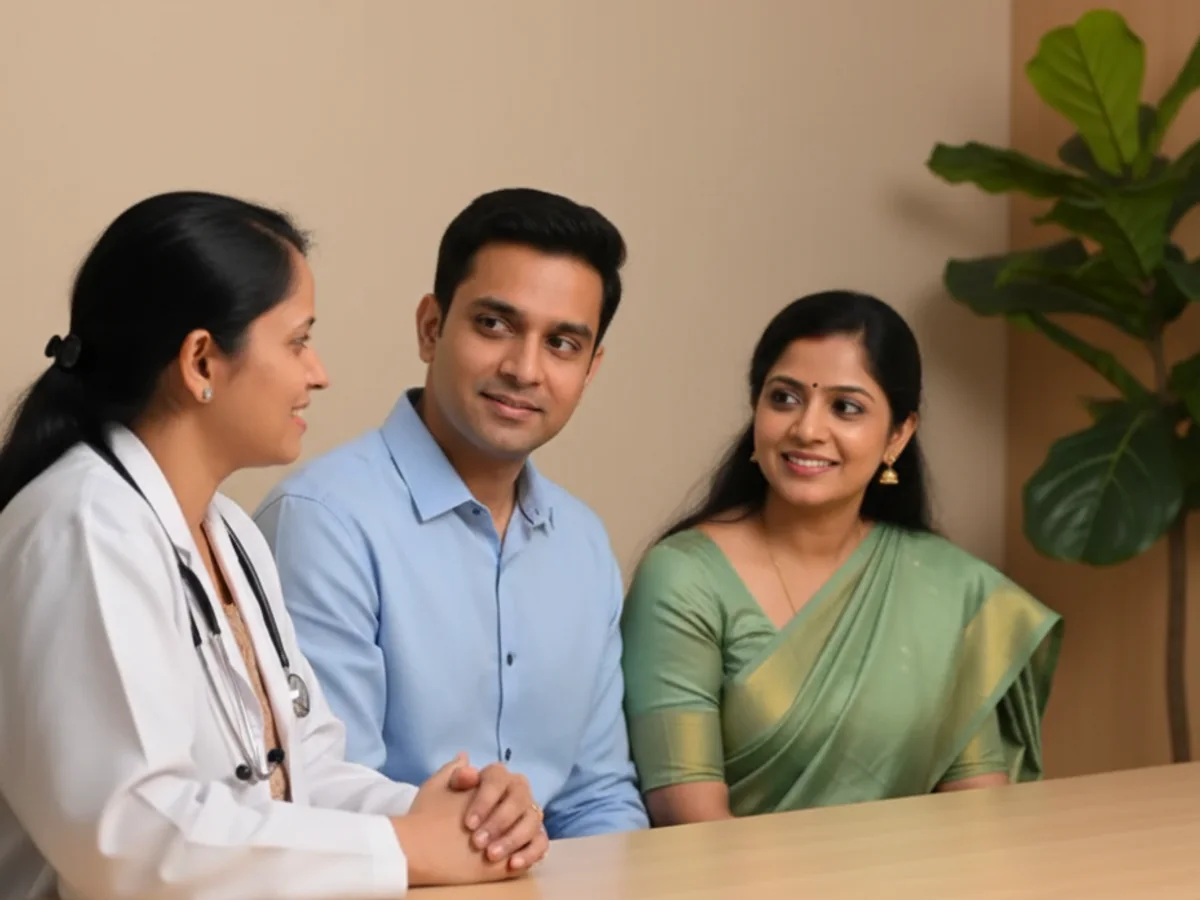
Whether you're just starting to explore your options, have been trying for some time, or are considering IVF, a personalised assessment is the most important next step. We can discuss your unique situation, explore all suitable treatments, and determine if IVF is the right choice for you. For personalised guidance, book a consultation with Dr. Rukkayal Fathima at one of my consulting locations across Chennai, including Kilpauk, Mylapore and Thiruvanmiyur. Let us help you move closer to your dream of building a family.
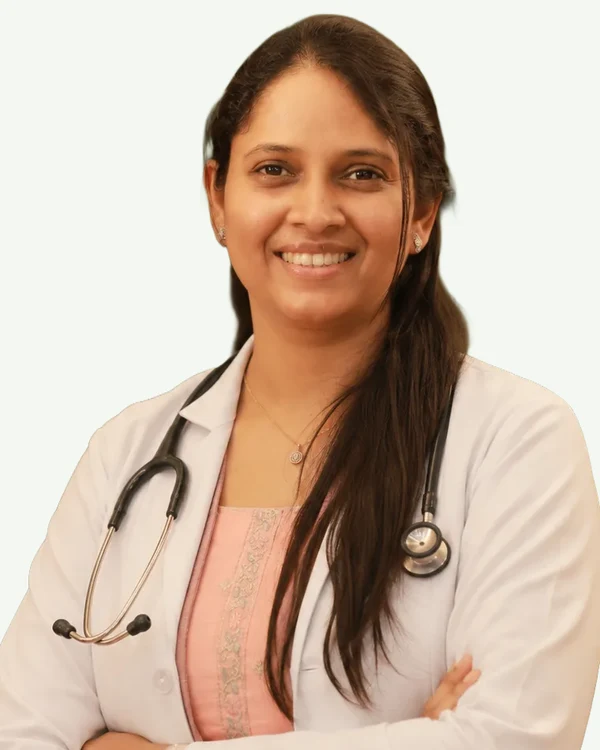
Dr. Rukkayal Fathima
MBBS, MS (OBG), MRCOG (UK), FRM (Kiel University)
Fertility Specialist, Obstetrician, Gynecologist & Laparoscopic Surgeon
Dr. Rukkayal Fathima is a fertility specialist, obstetrician and gynaecologist in Chennai. She has 15+ years of experience and treated 3000+ patients. She specialises in IVF, ICSI, TESA/Micro TESE, IUI, Early Pregnancy Scan, Menopause advice, and Gynaecological surgeries. She is the Founder & Director of Yaal Fertility and Women's Centre, which runs 7 fertility centres across Chennai.
Have Questions About IVF Treatment?
Every situation is unique. Dr. Rukkayal Fathima provides personalised, evidence-based guidance across multiple locations in Chennai.
Frequently Asked Questions
Generally, IVF is considered if you haven't conceived after 1 year of unprotected intercourse (or 6 cycles of artificial insemination), or sooner if you're over 36, have known fertility issues like blocked fallopian tubes, severe male factor infertility, or failed other treatments. A detailed assessment by a fertility specialist in Chennai is essential to determine the best path for you.
Yes, depending on your diagnosis, simpler treatments like ovulation induction with medications (e.g., Clomiphene, Letrozole), or Intrauterine Insemination (IUI) may be recommended first. Lifestyle adjustments and nutritional support also play a vital role. Your specialist will guide you through a stepwise approach.
Age is a significant factor. For women under 40, NICE guidelines suggest considering IVF after 2 years of trying, while for those aged 40-42, one cycle may be offered if they meet specific criteria and have no evidence of low ovarian reserve. Egg quality and quantity naturally decline with age, influencing success rates.
Adopting a healthy lifestyle is crucial. This includes maintaining a healthy weight, regular moderate exercise, a balanced diet rich in essential nutrients like Folic Acid (400-800 mcg daily), Vitamin D (600-800 IU daily, aiming for 30-50 ng/mL blood levels), and Coenzyme Q10 (200-600 mg daily for women), and avoiding smoking and excessive alcohol. These can significantly improve your chances.
IVF success rates vary widely based on age, cause of infertility, and clinic. At Dr. Rukkayal Fathima's practice in Chennai, we observe a realistic IVF success rate of over 65%, which is competitive and evidence-based. It's important to discuss personalised success probabilities based on your specific clinical profile during a consultation.
Direct lab expertise, such as Dr. Rukkayal Fathima's personal involvement in embryo selection and grading, is crucial. It ensures seamless integration of clinical and laboratory decisions, optimising embryo quality and transfer timing. This unique approach can significantly contribute to better IVF outcomes by ensuring the best possible embryos are chosen.
The cost of IVF in Chennai can vary significantly, typically ranging from INR 1,50,000 to INR 3,50,000 per cycle, depending on the specific protocol, medications, and additional procedures required. These are approximate ranges for 2026; your actual cost will depend on your specific diagnosis and treatment plan. A detailed estimate is provided after your initial consultation.
Consult Dr. Rukkayal at Yaal Fertility, Chennai
Dr. Rukkayal is the Founder & Director of Yaal Fertility and Women's Centre and consults at all 7 Yaal centres. Walk-ins welcome; appointments preferred.
Full hospital · IVF lab & ICU
No. 747, Poonamallee High Road, Alagappa Nagar, Kilpauk, Chennai – 600 010
Theatre & recovery
First Floor, Kumar Towers, Bus Depot, Opp. Padianallur, PT Murthy Nagar, Padiyanallur, Red Hills, Chennai – 600 052
IVF lab & theatre
2nd Floor, Dr. Mehta's Global Campus, No. 50, Poonamallee High Road, Velappanchavadi, Thiruverkadu, Chennai – 600 077
Consultation & andrology lab
No. 149/1, Luz Church Road, Bhaskarapuram, Mylapore, Chennai – 600 004
IVF lab & theatre
Second Floor, No. 1, 3rd Street, Malaviya Avenue, Thiruvanmiyur, Chennai – 600 041
Consultation & andrology lab
No. 95, Plot No. 1, Velachery Main Road, Devi Karumariamman Nagar, Pallikaranai, Chennai – 600 100
Consultation & andrology lab
3/5, Kannan Nagar 3rd Main Road, Vigneshwar Nagar, Madipakkam, Chennai – 600 091
Book any centre on the Yaal line, +91 75500 06704. Compare all Yaal centres