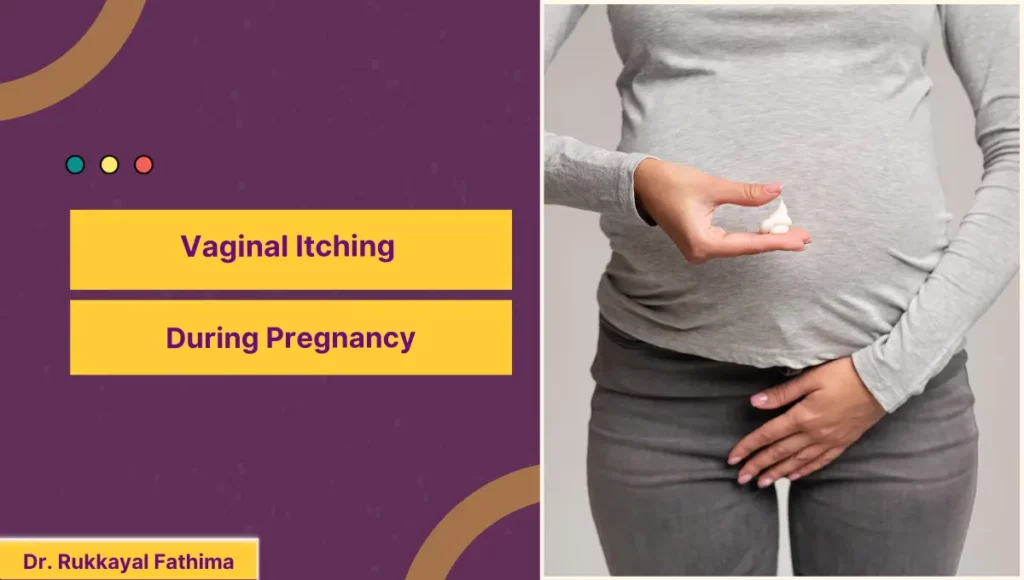
Pregnancy is an important part of every woman’s life. You might experience many symptoms, like nausea, morning sickness, and mood swings during this period.
Another symptom that you may experience during your pregnancy is vaginal itching. This is a common symptom affecting many pregnant women.
So, Continue reading to learn more about the preventive measures of vaginal itching.
What Causes Itching in the Vaginal Area During Pregnancy?
Vaginal itching can be caused due to various reasons. The major cause is hormonal changes that can affect the pH levels of the vagina. Below are some of the major causes of vaginal itching you should know about.
Yeast infection
This happens when too much yeast grows in the vaginal area—the excess blood flow to the pelvis and the hormonal changes during pregnancy cause this issue.
You can identify this issue by checking if you have a thick, cottage cheese-like discharge in your vagina. This can cause itching and irritation for some women. If the condition worsens, it can cause vaginal swelling and skin cracking around the area.
This yeast grows in moist and warm areas. So, wearing cotton panties and keeping your vagina dry can help prevent it. You can also try taking medications or anti-fungal ointments to treat the issue. Consult a Gynaecologist if the itching doesn’t reduce
Bacterial vaginosis
There are two types of bacteria in the vagina: good and bad bacteria. All is well when the balance between them is good. But if there are some imbalances in the amount of good and bad bacteria in the vagina, it can lead to pain and itchiness.
Women with bacterial vaginosis often experience soreness while urinating, inflammation, and a foul-smelling discharge.
Increase in vaginal discharge
During pregnancy, your vaginal wall thickens, and your hormone and pH levels change. This can increase the amount of vaginal discharge produced by your body.
Though vaginal discharge is usually beneficial to protect against UTIs and other infections, too much can lead to itching and pain. It appears as a clear or white, non-smelly discharge.
To prevent itching, wash your vagina with water regularly and keep it clean and dry.
Sexually Transmitted Diseases (STDs)
STDs like chlamydia, gonorrhea, syphilis, herpes, and trichomoniasis can cause vaginal itching and irritation. These diseases can also lead to other complications. So consult your Gynecologist and undergo the necessary treatments immediately.
Product-induced irritation
This is mainly caused due to allergic reactions to harsh detergents, soaps, lotions, etc. The area in and around your vagina is very sensitive, and can become allergic if it comes in contact with harmful products.
Try using products that are gentle on the skin and don’t cause irritation to the skin.
Pediculosis
Pediculosis or crab lice is a lice infestation in the pubic areas. Similar to how the lice in your head suck your blood and cause itching and irritation, crab lice also feed on your blood.
These lice are contagious and can be transmitted through sexual intercourse or by using the towel or clothes of an infected person. Consult a doctor and take the necessary medications to tackle the issue.
Should I Worry About Vaginal Itching?
Vaginal itching is usually mild and can be treated with some home remedies or anti-fungal ointments. But you might have to visit your doctor if the situation doesn’t get better after some days.
You should worry about the issue if:
- The itching returns after some days of feeling better.
- The situation does not improve or worsen as days go by.
- New symptoms arise during pregnancy.
Conclusion
Vaginal itching is quite common for pregnant women. The hormonal changes and other factors can trigger this condition. So, don’t panic if you feel irritation or pain in your genital areas.
Follow the home remedies we discussed earlier if you have mild itching or if the situation has just begun. If the situation worsens, visit your doctor and use the medicines they prescribe for a quick recovery.
In some cases, after pregnancy, women may explore vaginal rejuvenation as an option to address specific concerns related to their genital health. It’s essential to consult with a healthcare professional to discuss the best approach for your individual needs and concerns.
Hygiene is the main factor that determines your vaginal health. So, maintain your hygiene and keep your genitals clean throughout your pregnancy.
Changes in hormones, certain drugs, and some diseases can all cause vaginal itching during pregnancy. Vaginal irritation can be relieved by following some home remedies. However, you should contact your doctor if you have an infection or suffer severe symptoms.
Itching is most frequent in the third trimester of pregnancy but can sometimes start earlier. It may feel worse as your due date approaches. However, once your baby is born, the itching normally subsides within a few days.
Your vagina might feel itchy for several reasons. Some major causes are
- Yeast infection,
- Sexually transmitted
- infections (STIs),
- Crab lice,
- Allergic reactions to products, etc.
Your vaginal itching should disappear within a few days or weeks of trying remedies. If it lasts longer or gets worse, immediately visit your doctor.