Best Obstetrician in Chennai
Comprehensive pregnancy care in Chennai from your first positive test through delivery and postpartum recovery — with specialised expertise in high-risk and post-fertility-treatment pregnancies.

Pregnancy is one of the most transformative experiences in a woman's life, and the quality of obstetric care you receive directly influences both your well-being and your baby's health. Dr. Rukkayal provides personalised, evidence-based obstetric care that covers every stage — from early pregnancy confirmation and first-trimester screening through delivery planning and postpartum recovery. With advanced training from the Royal College of Obstetricians and Gynaecologists (UK) and over a decade of clinical experience, she is equipped to manage both straightforward and medically complex pregnancies with equal confidence.
What sets this practice apart is the integrated approach to pregnancies that follow fertility treatment. Women who conceive through IVF, ICSI, or IUI often carry unique medical considerations — from luteal phase support in early weeks to the higher incidence of multiple gestations and the need for closer monitoring of placental function. Dr. Rukkayal's dual expertise in reproductive medicine and obstetrics means you continue with the same doctor who helped you conceive, ensuring seamless continuity of care. For high-risk pregnancies involving gestational diabetes, pre-eclampsia, thyroid disorders, or advanced maternal age, a structured monitoring protocol with scheduled scans, blood work, and specialist consultations keeps both mother and baby on the safest possible trajectory. Every pregnancy is unique, and the care plan is built around your specific medical history, lifestyle, and preferences — including discussions around birth planning and informed choices about mode of delivery.
5000+
Deliveries Managed
2000+
High-Risk Pregnancies Handled
Warning Signs During Pregnancy — When to Consult Urgently
You should see a specialist if you experience:
- Vaginal bleeding or spotting at any stage of pregnancy
- Severe or persistent headaches with visual disturbances
- Sudden swelling of hands, face, or feet
- Reduced or absent foetal movements after 28 weeks
- Persistent abdominal pain or cramping
- Leaking of fluid from the vagina before term
- High fever or signs of infection
- Persistent nausea and vomiting that prevents keeping food or fluids down
Understanding Obstetric Care
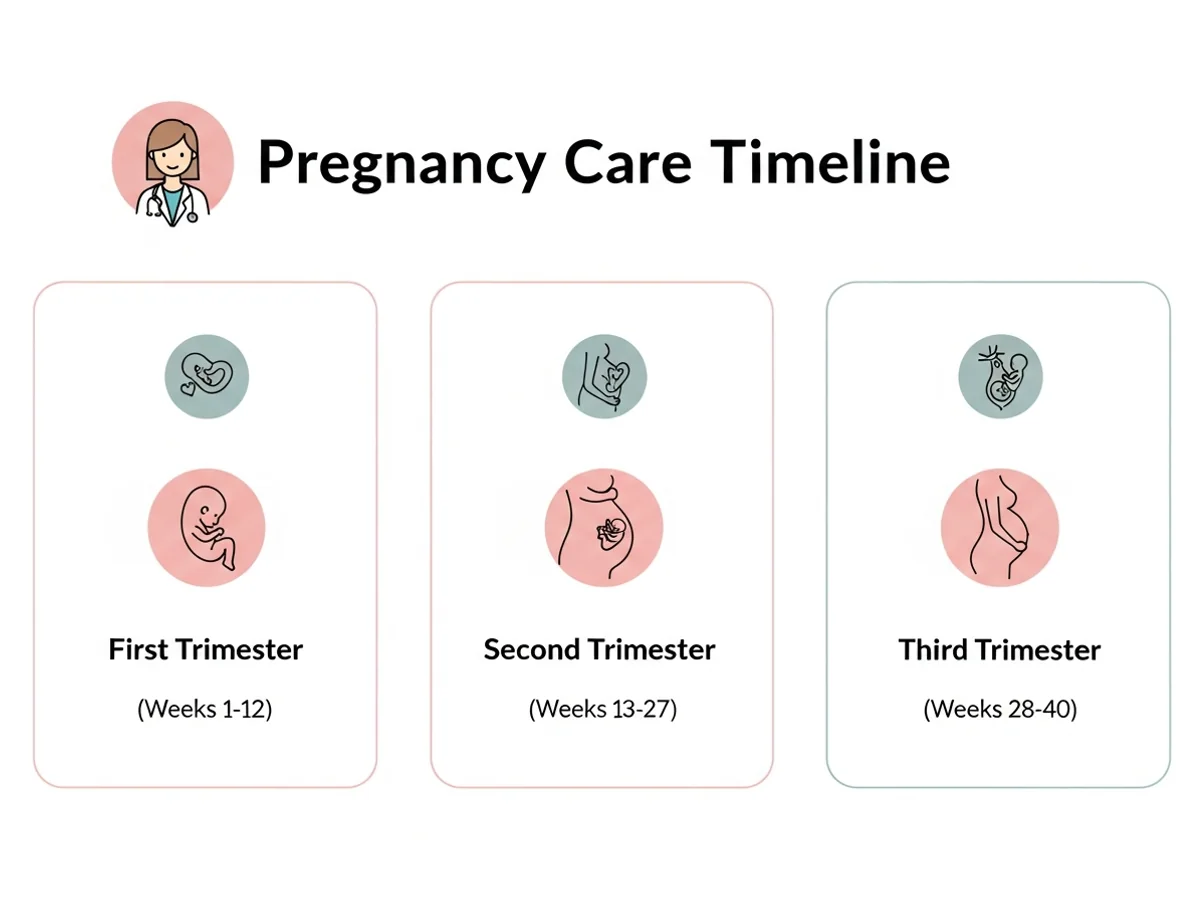
Obstetric care encompasses the complete medical supervision of pregnancy, childbirth, and the postpartum period. It begins with early pregnancy confirmation and dating, progresses through systematic screening and monitoring during each trimester, and extends to delivery planning and recovery support. During the first trimester, key milestones include confirming viability, dating the pregnancy accurately, and performing screening tests such as the NT scan and first-trimester blood markers. The second trimester focuses on the detailed anomaly scan, monitoring foetal growth, and screening for gestational diabetes. In the third trimester, attention shifts to foetal well-being assessments, growth tracking, and preparing for delivery. High-risk pregnancies require more frequent visits, additional imaging, and close coordination with maternal-foetal medicine specialists when necessary. Modern obstetric care is also deeply patient-centred — it respects your birth preferences while ensuring clinical safety remains the priority.
Conditions We Monitor & Manage
Our Obstetric Services
First Trimester Care & Early Pregnancy Support
Early viability scans, dating, NT screening, first-trimester blood markers, and progesterone support for pregnancies conceived through fertility treatment.
High-Risk Pregnancy Management
Structured monitoring protocols for gestational diabetes, pre-eclampsia, thyroid disorders, and multiple pregnancies — including more frequent scans, glucose monitoring, and specialist referrals when required.
Prenatal Screening & Diagnostics
Comprehensive screening including NT scan, dual/quadruple markers, anomaly scan, and non-invasive prenatal testing (NIPT) to assess foetal health with minimal risk.
Birth Planning & Delivery
Individualised birth plan discussions covering natural delivery, elective caesarean, and pain management options — ensuring your preferences are respected within a safe clinical framework.
Postpartum Care & Recovery
Follow-up consultations addressing physical recovery, breastfeeding support, postnatal mood screening, and contraception counselling to support your transition into motherhood.
Why Choose Dr. Rukkayal?
- Continuity of care — the same specialist who managed your fertility treatment continues as your obstetrician.
- MRCOG (UK) trained with evidence-based protocols aligned with international standards.
- Special expertise in managing pregnancies conceived through IVF, ICSI, and IUI.
- Structured high-risk pregnancy protocols with scheduled milestone assessments.
- Patient-centred birth planning that respects your preferences while prioritising safety.
- Accessible and responsive communication throughout your pregnancy journey.
- Convenient locations across Chennai — Egmore/Chetpet (morning), Mylapore (evening), and Tambaram — plus visiting consultant at Apollo, Motherhood & Cloudnine hospitals.
Your Treatment Journey
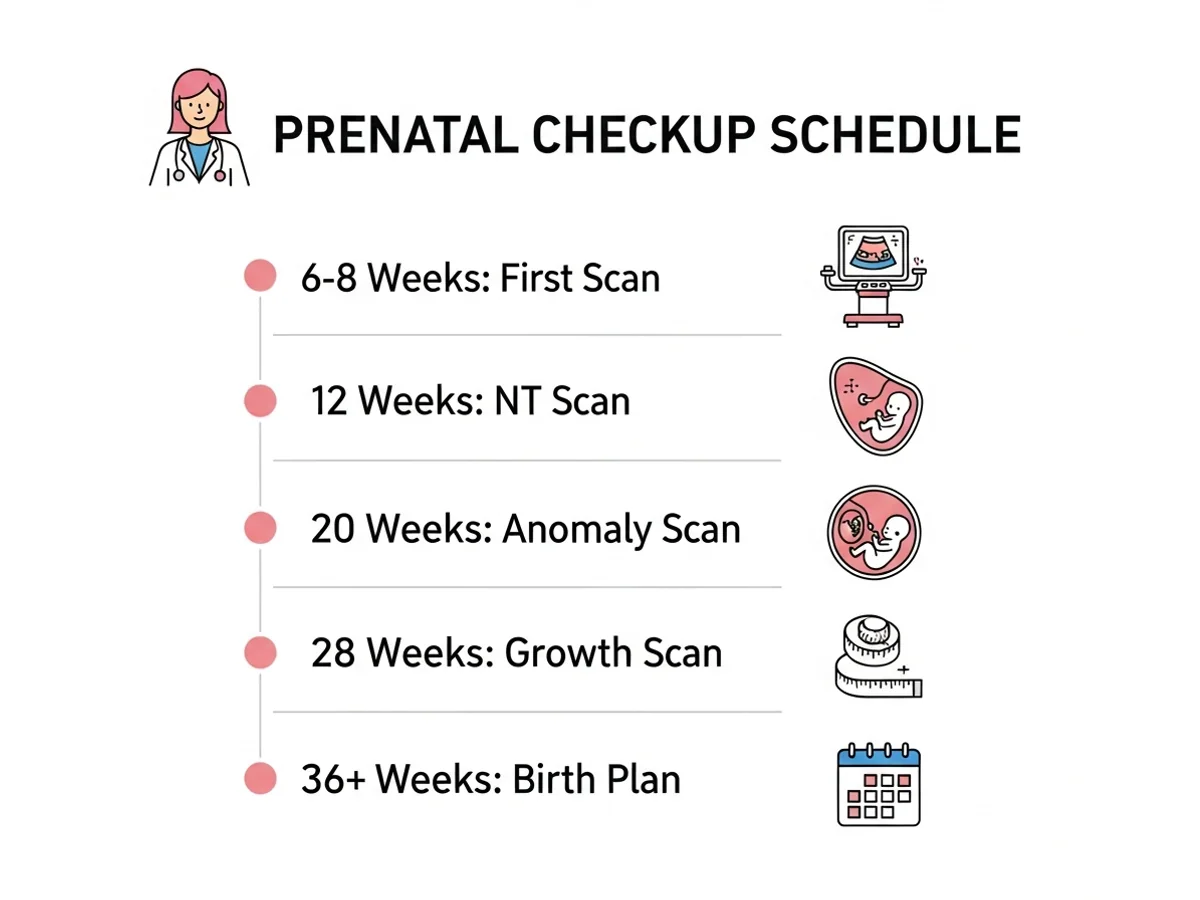
First Pregnancy Visit (6-8 Weeks)
Confirmation of pregnancy, early viability scan, estimated due date calculation, initial blood work (blood group, haemoglobin, thyroid, infections screening), and review of any ongoing medications or supplements.
First Trimester Screening (11-13 Weeks)
NT scan combined with first-trimester biochemical markers to assess chromosomal risk. Discussion of NIPT if additional screening is desired. Early pregnancy counselling and dietary guidance.
Mid-Pregnancy Monitoring (16-22 Weeks)
Detailed anomaly scan at 18-22 weeks to evaluate foetal anatomy. Glucose tolerance test screening. Review of foetal growth, amniotic fluid, and placental position.
Third Trimester Assessments (28-36 Weeks)
Growth scans, foetal well-being assessments (Doppler studies, non-stress tests), and monitoring for complications such as gestational diabetes control, blood pressure, and foetal position.
Birth Planning & Delivery Preparation (36-40 Weeks)
Detailed birth plan discussion, mode of delivery counselling, anaesthesia options, and hospital admission planning. Final assessment of foetal position, weight estimate, and maternal readiness.
Postpartum Follow-Up (2-6 Weeks After Delivery)
Postnatal examination, wound assessment (if caesarean), breastfeeding support, mood and well-being screening, and contraception counselling. Referral to specialists if any concerns arise.

Have Questions About Your Treatment?
Book a consultation with Dr. Rukkayal Fathima to understand your options and next steps.
Frequently Asked Questions
IVF pregnancies may carry slightly higher risks for certain complications such as pre-eclampsia, gestational diabetes, and placental issues. Dr. Rukkayal provides a tailored monitoring plan that includes earlier and more frequent scans, closer blood pressure surveillance, and continuation of any luteal support medications prescribed during your fertility treatment.
Ideally between 6 and 8 weeks of pregnancy, counted from your last menstrual period. This timing allows us to confirm the pregnancy is in the correct location, check for a heartbeat, accurately date the pregnancy, and begin essential first-trimester blood tests.
Gestational diabetes is managed with a combination of dietary modifications, regular glucose monitoring, and — when necessary — medication or insulin. You will receive a structured meal plan, be taught self-monitoring of blood sugar, and have more frequent growth scans to ensure your baby is growing appropriately.
Twin pregnancies require more frequent monitoring — typically fortnightly scans from 16 weeks onwards to track individual growth, amniotic fluid levels, and placental function. There is a higher likelihood of earlier delivery, so birth planning discussions begin earlier, and you will be seen more frequently in the third trimester.
A pregnancy may be classified as high-risk due to factors such as advanced maternal age (over 35), pre-existing medical conditions (diabetes, hypertension, thyroid disorders), history of pregnancy complications, multiple gestations, or pregnancy achieved through fertility treatment. Dr. Rukkayal assesses your individual risk profile at the first visit and adjusts the care plan accordingly.
The mode of delivery depends on multiple factors including foetal position, your medical history, and the progress of labour. Dr. Rukkayal supports informed decision-making — she will discuss the benefits and considerations of each option honestly so you can make a choice that aligns with your preferences and clinical safety.
Essential tests include blood group, haemoglobin, infection screening (HIV, Hepatitis B, rubella), glucose tolerance test, and routine ultrasound scans (dating, NT, anomaly, growth). Optional tests include NIPT (non-invasive prenatal testing) for chromosomal screening and 3D/4D scans. Each optional test is discussed so you can make an informed choice.
Related Specialties
Gynecology Care
Comprehensive gynaecological care for menstrual disorders, fibroids, screening, and women's health.
Ultrasound Services
Advanced imaging throughout pregnancy for screening, monitoring, and foetal well-being assessment.
Recurrent Miscarriage
Investigation and management of recurrent pregnancy loss to improve future outcomes.
Related Articles
Prevent Miscarriage: What Works?
Concerned about miscarriage? Dr. Rukkayal, Chennai fertility specialist, explains prevention, risk factors, and early pregnancy precautions.
9 min read
Pregnancy Ultrasound Types: Complete Scan Guide
Complete guide to pregnancy ultrasound types in Chennai: dating, NT, anomaly, growth, and Doppler scans. Know what each scan checks and approximate costs.
10 min read
8 Best Foods for Baby Brain Development During Pregnancy
A doctor lists the top 8 foods for fetal brain development, key nutrients like DHA, folate & choline, plus a daily meal guide for pregnant women.
8 min read
Chicken Safe During Pregnancy? Facts & Tips
Is chicken safe during pregnancy? Learn about the benefits, risks, and safe preparation tips in Chennai. Expert advice by Dr. Rukkayal Fathima.
9 min read
Ectopic Pregnancy: Symptoms & Treatment
Ectopic pregnancy explained by Chennai fertility specialist Dr. Rukkayal Fathima. Learn symptoms, causes & treatment options in Chennai.
10 min read
Understanding HCG Levels in Early Pregnancy
Learn about normal HCG levels in early pregnancy and when to seek medical advice in Chennai. Expert insights from Dr. Rukkayal Fathima.
6 min read
Navigating High Risk Pregnancy
Understanding high-risk pregnancy and specialised care available in Chennai. Expert guidance for a healthy outcome.
9 min read
Normal Delivery vs C-Section: What's Best?
Understand the differences between normal delivery and C-section in Chennai. Benefits, risks, and recovery explained by Dr. Rukkayal Fathima.
9 min read
Pregnancy After IVF: What to Expect
Comprehensive guide to pregnancy after IVF in Chennai. Learn about early signs, monitoring, and expert care for a healthy pregnancy.
7 min read
Your First Trimester: What to Expect
Your comprehensive first trimester pregnancy guide in Chennai: symptoms, diet, checklist, and expert advice for a healthy start.
9 min read
Ready to Get Started?
Book a consultation with Dr. Rukkayal Fathima about your treatment options
Book AppointmentBook Consultation
Consultation Booked!
Thank you for reaching out. Our team will contact you shortly to confirm your appointment.
Need urgent help? Call us